The GLP-1 Era Matures: Oral Pills, Surgery Timing, and an Addiction Crossover
New real-world data is shifting the GLP-1 conversation from 'does it work' to 'how to use it without getting hurt.' Here's what the latest evidence actually says.
Press Enter to search · Esc to close
New real-world data is shifting the GLP-1 conversation from 'does it work' to 'how to use it without getting hurt.' Here's what the latest evidence actually says.

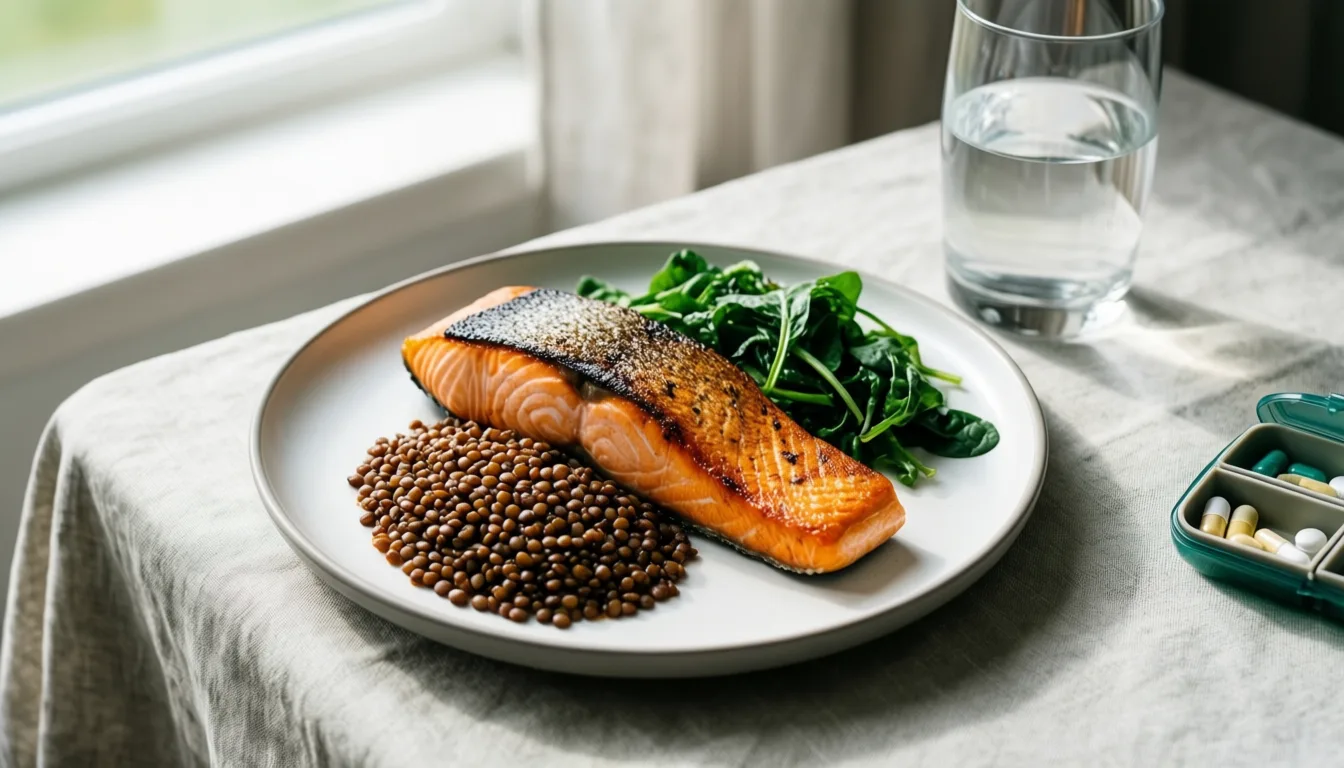
A new review argues the drugs only do half the work. The other half — protein, symptom management, and a maintenance plan — happens on the plate.
AstraZeneca's once-daily small molecule posts placebo-controlled weight-loss data in The Lancet — and hints at a future where the obesity revolution doesn't require a needle.
Two new trials in The Lancet put the first credible oral, non-peptide GLP-1 drugs on the runway — a shift that could change who actually gets access to this class.
A massive new target-trial emulation hints that semaglutide and tirzepatide may do more than shrink waistlines — they may quietly cut the odds of obesity-driven cancers. Here's what the data actually say.
A phase 3 trial of a glucagon/GLP-1 dual agonist lands alongside a semaglutide biosimilar and new cardiometabolic signals — incretin therapy is outgrowing the obesity box.
Two simultaneous Lancet trials test Novo Nordisk's next-generation incretin against the current heavyweight. Here's what a busy 40-year-old should actually take from the readout.
GLP-1s deliver durable fat loss and metabolic wins — but a maturing evidence base is also flagging ocular signals and structural changes worth knowing before you pin or pass.
A 2026 systematic review reframes the pre-anesthesia question for semaglutide users — less about pausing the drug, more about clearing the stomach and checking it with ultrasound.
New meta-analyses suggest the metabolic-drug story is moving past the scale — toward measurable inflammation reduction and stacked cardiorenal protection. Here's what that actually changes for a 40-year-old.