The Middle-Age Muscle Cliff: Why Sarcopenia Starts Earlier Than You Think
New molecular and longitudinal research suggests the slide in strength begins decades before frailty — and that nerves and inflammation, not just muscle, set the pace.

Press Enter to search · Esc to close
New molecular and longitudinal research suggests the slide in strength begins decades before frailty — and that nerves and inflammation, not just muscle, set the pace.

A new dermatologist-trained AI turns smoking risk into a portrait — predicting how cigarettes might reshape your face over the next decade and a half.
DNA-methylation clocks and a new atlas of immune aging are nudging longevity science from theory toward something a clinic could actually use. Here's where the evidence really stands.
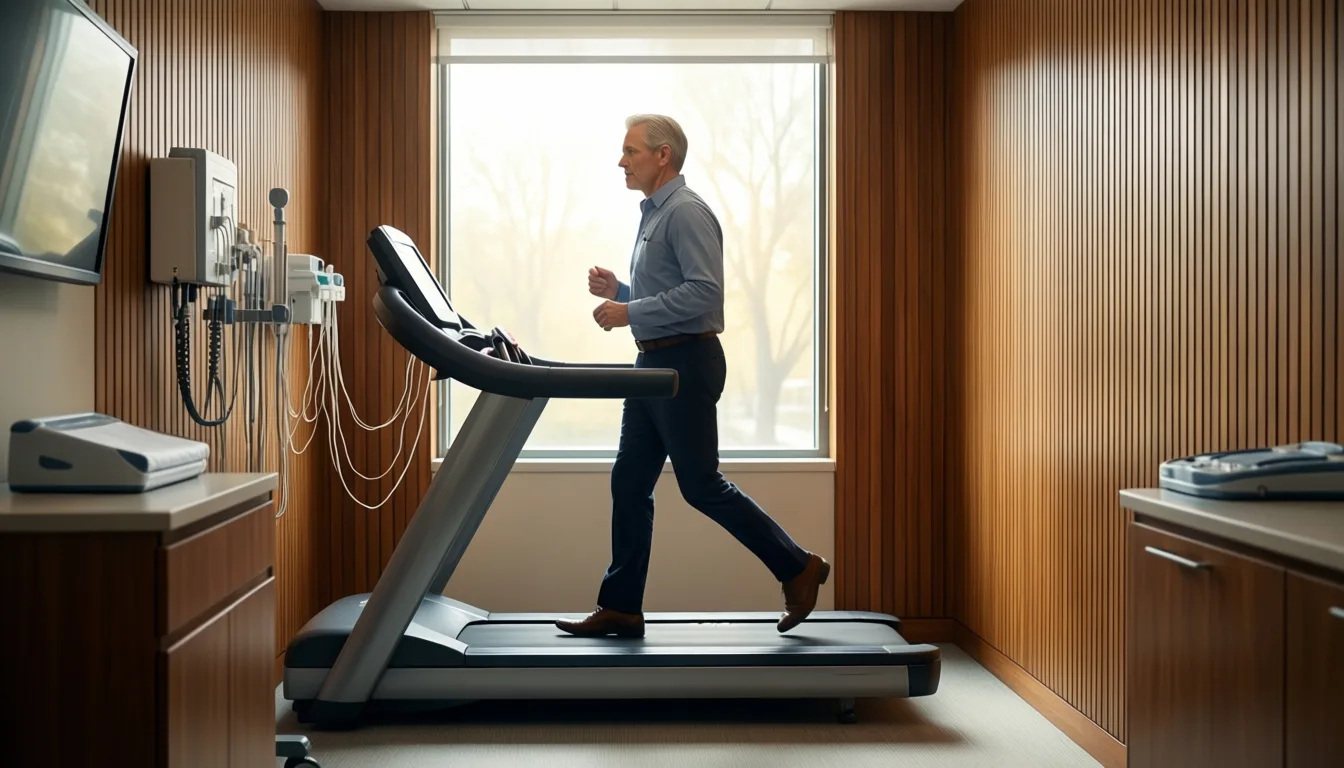
A rare prospective study with pre-pandemic treadmill scores shows infection nudges fitness downward — and the men who started lower had the hardest recoveries.
A new imaging study of adults whose parents lived exceptionally long lives finds a distinctive gray-matter signature — a structural hint that 'good genes' may be visible on a scan.
In more than 3,000 older adults, a clever measure of bounce-back capacity blunted the mortality penalty of inheriting genes for a shorter life — a moderate but provocative signal for the fitness-forward crowd.
A PRISMA-registered meta-analysis pooled 16 studies on adults 55+ and found a link between extra weight and worse oral health — especially gum disease. Here's what that actually means.
A large NHANES analysis suggests the American Heart Association's updated checklist doesn't just predict heart trouble — it lines up with how fast your body is actually aging.
Chinese researchers built an early-stage 'aging clock' from amino acids, vitamins and oxidative-stress markers — a promising step toward biological age you might actually be able to nudge.
A new analysis of more than 3,000 older Americans suggests that decades of weight patterns — not just today's number on the scale — interact with inherited obesity risk to nudge the body's biological clock forward.