
In This Issue
Metabolic Health
-
 GLP-1 Side Effects Get Real: What New Data Says About ENT Symptoms and Colonoscopy Prep
Two fresh analyses push the GLP-1 conversation past nausea, flagging ear-nose-throat signals and a higher risk of failed bowel prep. Here's what tired parents juggling a new prescription actually need to know.
GLP-1 Side Effects Get Real: What New Data Says About ENT Symptoms and Colonoscopy Prep
Two fresh analyses push the GLP-1 conversation past nausea, flagging ear-nose-throat signals and a higher risk of failed bowel prep. Here's what tired parents juggling a new prescription actually need to know.
-
 Beyond GLP-1: Why the New Obesity Science Is About Your Fat, Not Your Scale
Three new reviews argue we've been measuring the wrong thing. The real target isn't weight — it's the adipose tissue quietly running your metabolism.
Beyond GLP-1: Why the New Obesity Science Is About Your Fat, Not Your Scale
Three new reviews argue we've been measuring the wrong thing. The real target isn't weight — it's the adipose tissue quietly running your metabolism.


GLP-1 Side Effects Get Real: What New Data Says About ENT Symptoms and Colonoscopy Prep
Two fresh analyses push the GLP-1 conversation past nausea, flagging ear-nose-throat signals and a higher risk of failed bowel prep. Here's what tired parents juggling a new prescription actually need to know.
If you started a GLP-1 medication sometime between the 3 a.m. feeds and the school run, you probably braced for the famous side effects: the queasy first weeks, the smaller appetite, the food noise dialing down. What you may not have been warned about is quieter and weirder — a metallic taste that won't quit, a hoarse voice, or a colonoscopy prep that, despite your best efforts, simply doesn't work. Two new analyses published this year sharpen the picture of what these drugs do beyond the stomach, and they're worth a calm read before your next refill.
GLP-1 receptor agonists — semaglutide, tirzepatide, liraglutide, dulaglutide and exenatide — have moved fast from diabetes clinics into mainstream weight care. Most of what parents hear about side effects still centers on nausea and constipation. But as prescriptions multiply, researchers are mining adverse-event databases and pooling trial data to catch the less-discussed signals. The two studies driving this piece are not the final word; they're a moderate-strength nudge to ask better questions at your next appointment.
What the ENT signal actually says
The first analysis, published in The Laryngoscope, combed through the FDA's Adverse Event Reporting System (FAERS) for ear, nose and throat complaints tied to the five major GLP-1 drugs, from one year after each approval through the end of 2023. Across 9,746 reported adverse events, the standouts were not subtle: medullary and papillary thyroid carcinoma signals showed up across virtually all of the drugs, echoing a known boxed-warning concern, and reflux (GERD) was significant for every agent assessed.
The genuinely new texture is in the head-and-neck signals. Semaglutide — the molecule in Ozempic and Wegovy — flagged statistically for anosmia (loss of smell), dry mouth, dysgeusia (altered taste) and Bell's palsy. Liraglutide flagged for dysphonia (voice changes), dysgeusia, tinnitus and Bell's palsy. Exenatide showed signals including dysgeusia and hearing disability. None of this proves the drug caused the symptom in any given person — FAERS is a reporting system, not a controlled trial, and people on these medications are also losing weight, changing diets and aging in real time. But a signal strong enough to clear the authors' thresholds is a signal worth naming.

Dry mouth and altered taste were among the head-and-neck signals flagged in the FAERS review — small annoyances that can quietly affect hydration and appetite.
Why your colonoscopy prep may not be working
The second study, a systematic review and meta-analysis in The American Journal of Gastroenterology, asked a very practical question: do GLP-1 drugs make colonoscopy prep harder? Pooling five studies and 10,833 patients (about half on GLP-1s, half not), the authors found the GLP-1 group had roughly twice the odds of inadequate bowel preparation (odds ratio 2.10; 95% CI 1.41–3.13). Their mean Boston Bowel Preparation Scale score was also 0.34 points lower than controls — a small absolute gap, but enough to push some preps from "good enough" into "please come back and do this again."
The mechanism is intuitive: GLP-1s slow gastric emptying and gut motility, which is a feature for blood sugar and appetite and a bug when you're trying to flush the colon clean overnight. The authors don't tell patients to stop their medication; they make the case that gastroenterologists need clearer pre-procedure guidance. If you're a parent who finally booked the screening colonoscopy you've been putting off, that's the conversation to have a week ahead of time — not the night before.
A signal is not a verdict. But it is a reason to ask better questions at the next appointment.
How worried should you actually be?
The honest answer, with the evidence at this strength, is: informed, not alarmed. FAERS analyses describe reporting patterns; they cannot tell you your personal risk, and they tend to over-represent dramatic or novel events. Meta-analyses of observational colonoscopy data are stronger but still observational. Neither study changes the underlying calculus that, for the right patient, GLP-1s deliver meaningful benefits for blood sugar, weight and increasingly cardiovascular outcomes.
What they do is round out the consent conversation. If you're newly on a GLP-1 and notice a persistent change in taste, smell, voice or hearing, that's worth flagging to your prescriber rather than chalking up to a bad cold or a bad week. If you have a colonoscopy scheduled, your gastroenterologist needs to know you're on one of these drugs — there may be an extended liquid diet or a modified prep plan that gets you through on the first try.

A week's notice before a procedure gives your clinician room to adjust prep — and saves you from a repeat.
- The ENT signal is real but preliminary. A FAERS review flagged taste, smell, voice and Bell's palsy reports across multiple GLP-1s — reporting data, not proof of cause.
- Bowel prep is measurably harder on a GLP-1. A meta-analysis of nearly 11,000 patients found roughly double the odds of inadequate prep.
- Tell your GI you're on a GLP-1 — early. A modified prep or longer clear-liquid window may be needed.
- Don't self-stop. Neither study recommends discontinuing the medication; both call for better clinician guidance.
- Track new symptoms simply. A note in your phone with dates beats trying to remember at the appointment.
- Talk to your prescriber. Persistent taste, smell, voice or hearing changes deserve a real conversation, not a Google rabbit hole.
None of this is a reason to panic-cancel a prescription that's working for you. It is a reason to treat these drugs the way you'd treat any powerful medication that's still revealing itself: with a good prescriber, honest symptom-tracking, and a low threshold for asking, "Is this normal?" The research is catching up to the prescriptions. Your job is just to stay in the conversation.
Frequently asked questions
What ear, nose, and throat symptoms have been flagged for semaglutide specifically?
The FAERS review flagged semaglutide statistically for anosmia (loss of smell), dry mouth, dysgeusia (altered taste), and Bell's palsy. These were among the head-and-neck signals identified across 9,746 reported adverse events analyzed in the study.
Why do GLP-1 medications make colonoscopy prep harder?
GLP-1 drugs slow gastric emptying and gut motility, which is useful for blood sugar and appetite control but works against the goal of flushing the colon clean overnight. A meta-analysis of nearly 11,000 patients found that people on GLP-1s had roughly twice the odds of inadequate bowel preparation compared to those not on the drugs.
Should I stop my GLP-1 medication because of these findings?
Neither study recommends discontinuing the medication. Both call for better clinician guidance rather than patients stopping on their own.
What should I do if I have a colonoscopy scheduled while on a GLP-1?
Tell your gastroenterologist you are on a GLP-1 when you book the procedure, not when you arrive. Ask whether you need to pause or adjust your medication before the procedure and whether your prep or clear-liquid window should be extended, since a modified plan may be needed to get through the prep on the first try.
How strong is the evidence behind these ENT and colonoscopy findings?
The article describes the evidence as a moderate-strength nudge rather than a final word. The FAERS data describes reporting patterns and cannot determine personal risk or prove causation, while the colonoscopy meta-analysis is stronger but still observational. The authors say neither study changes the overall benefit calculation for patients who are a good fit for GLP-1 therapy.
Sources
- Otolaryngologic Side Effects of GLP-1 Receptor Agonists. — The Laryngoscope
- Effect of Glucagon-Like Peptide-1 Receptor Agonists on Bowel Preparation for Colonoscopy: A Systematic Review and Meta-Analysis. — The American journal of gastroenterology

Beyond Weight Loss: How GLP-1s Are Quietly Rewriting Liver, Brain, and Addiction Medicine
A new wave of 2025 research suggests semaglutide and its siblings do far more than shrink waistlines. The evidence is moderate, the implications are not.
The pen in the fridge has become the most talked-about object in modern medicine, and the conversation has almost entirely been about waistlines. That framing is starting to look small. Across a cluster of 2025 papers, glucagon-like peptide-1 receptor agonists — semaglutide, liraglutide, tirzepatide and their cousins — are showing up in places no appetite drug was supposed to go: inside fatty livers, along the blood-brain barrier, and inside the reward circuitry that drives a craving for the next drink. The evidence is still moderate. The direction of travel is not.
If you are a 40-year-old man tracking your visceral fat, your ALT, and your morning energy, this matters for a specific reason: the same molecule that quiets hunger appears to be quieting several of the downstream fires that midlife metabolic drift tends to light. Whether that earns GLP-1s a place in your protocol is a conversation for you and a clinician — but the case for treating them as a multi-system metabolic therapy, rather than a vanity injection, is no longer fringe.
Start with the liver, because that is where the human data is strongest. In a propensity-matched analysis of 15,176 pairs of adults with metabolic dysfunction-associated steatotic liver disease (MASLD) and type 2 diabetes drawn from the TriNetX network, patients started on a GLP-1 receptor agonist had a 16% lower risk of major adverse liver outcomes — decompensated cirrhosis, hepatocellular carcinoma, or liver transplantation — than patients started on an SGLT2 inhibitor. The reduction was driven primarily by fewer decompensation events. Both drug classes are good for the liver. GLP-1s look, in this dataset, modestly better.
A caveat before we go further: this is observational data, not a head-to-head randomized trial. The hazard ratio (0.84, 95% CI 0.73–0.97) is real but narrow, and the comparison is between two already-effective drug classes — not between GLP-1 and nothing. What it does suggest is that for men with the now-staggeringly-common combination of fatty liver and insulin resistance, the choice of glucose-lowering agent is also a choice about long-term liver trajectory.
The brain part is where it gets strange

The neurovascular unit — astrocytes wrapped around cerebral capillaries — is emerging as an unexpected target of GLP-1 signaling.
One of the more provocative 2025 findings did not come from a human trial. Researchers fed mice a high-fat diet for 24 weeks — long enough to induce a fair imitation of human metabolic syndrome — then treated them for four weeks with semaglutide. The animals showed restored astrocyte coverage of cerebral vessels, reduced leukocyte-endothelium interactions, and improved blood-brain barrier integrity compared with saline controls. In plain English: the drug appeared to repair the seal between the bloodstream and the brain that chronic metabolic inflammation had been corroding.
This is the kind of result that deserves both attention and restraint. It is a mouse study. The leap from rodent cerebral microcirculation to human cognition in midlife is enormous. But it offers a mechanistic candidate for something clinicians have been observing anecdotally — patients on GLP-1s reporting clearer thinking that does not seem fully explained by weight loss alone — and it lines up with a broader hypothesis that obesity-related cognitive decline is partly a vascular problem the brain inherits from the rest of the body.
The same molecule that quiets hunger appears to be quieting several of the downstream fires that midlife metabolic drift tends to light.
The craving question
Then there is addiction, which is where the early signal is most intriguing and the data most preliminary. Recreational users of GLP-1 drugs have reported, almost in passing, that their interest in a second glass of wine or a late-night cigarette quietly evaporated. That observation is now being formally tested. The Danish SEMALCO trial — a 26-week, randomized, double-blinded, placebo-controlled study in 108 patients with alcohol use disorder and comorbid obesity — is measuring whether once-weekly semaglutide reduces heavy drinking days, with a subgroup undergoing structural, functional, and neurochemical brain imaging at baseline and at week 26.
The trial is a protocol, not a result. We do not yet know how it will read out. What we can say is that there are currently only three FDA-approved pharmacotherapies for alcohol use disorder, and the treatment gap is wide. A fourth — particularly one already in tens of millions of medicine cabinets — would matter. A separate 2025 review of the broader literature on peptide therapeutics and intrinsically disordered proteins also reframed GLP-1 RAs as a class with reduced addiction-related risk profiles relative to bariatric surgery, which has been associated with increased substance use post-operatively.

Anecdotes about "food noise" quieting have spilled into anecdotes about alcohol noise quieting. Trials are now testing the claim.
What the drug is actually doing
Underneath all of this, mechanism research is starting to catch up to clinical observation. A 2025 ceRNA network analysis of adipose tissue from obese mice treated with a GLP-1 RA found that the drug activates the PI3K-Akt and AMPK signaling pathways, with downstream reductions in SREBP-1, ACC, and FAS — the master switches of fat synthesis. That is a tidier story than "appetite suppressant." It suggests GLP-1 RAs are not just dialing down calories in, but actively reshaping how fat tissue handles fuel. Whether that intracellular rewiring is what carries the liver, brain, and craving benefits along with it is the open question.
- Liver protection is the strongest signal. In matched data of 15,176 pairs, GLP-1 RAs beat SGLT2 inhibitors on serious liver outcomes in MASLD plus type 2 diabetes — but the gap is modest and the data is observational.
- The brain story is mechanistic, not yet clinical. Semaglutide restored blood-brain barrier integrity in mice with metabolic syndrome. Do not assume that translates to human cognition.
- Addiction reduction is a hypothesis being tested. The SEMALCO trial will report on semaglutide for alcohol use disorder; until then, the anecdotes are anecdotes.
- The mechanism is broader than appetite. GLP-1 RAs activate PI3K-Akt and AMPK in fat tissue, suppressing the enzymes of fat synthesis — a metabolic effect, not just a behavioral one.
- This is not a permission slip. These drugs have side effects, costs, and supply constraints. The decision belongs in a clinician's office, not a podcast comment section.
The honest summary for a busy 40-year-old: if you are already a candidate for a GLP-1 because of weight, type 2 diabetes, or MASLD, the emerging evidence makes the case for the drug class somewhat stronger than it was a year ago, and gives you and your clinician more to weigh than waist circumference alone. If you are not a candidate, none of this is a reason to become one. The drug is not a longevity supplement, and the studies above do not say it is. What they do say is that a molecule designed to mimic a gut hormone is reaching into systems no one originally drew on the whiteboard — and that the next chapter of metabolic medicine is going to be written in places we used to think were unrelated.
Frequently asked questions
How did GLP-1 receptor agonists compare to SGLT2 inhibitors for serious liver outcomes in the study described in the article?
In a propensity-matched analysis of 15,176 pairs of adults with metabolic dysfunction-associated steatotic liver disease and type 2 diabetes, patients on a GLP-1 receptor agonist had a 16% lower risk of major adverse liver outcomes — including decompensated cirrhosis, hepatocellular carcinoma, or liver transplantation — compared to those on an SGLT2 inhibitor. The reduction was driven primarily by fewer decompensation events. The article notes, however, that this is observational data with a narrow hazard ratio, not a randomized head-to-head trial.
What did the mouse study find about semaglutide and the brain?
Mice that were fed a high-fat diet for 24 weeks and then treated with semaglutide for four weeks showed restored astrocyte coverage of cerebral vessels, reduced leukocyte-endothelium interactions, and improved blood-brain barrier integrity compared to saline-treated controls. The article frames this as a mechanistic candidate for why some patients on GLP-1s report clearer thinking, while emphasizing that this is a mouse study and the leap to human cognition is enormous.
What is the SEMALCO trial, and what is it designed to measure?
SEMALCO is a 26-week, randomized, double-blinded, placebo-controlled Danish trial enrolling 108 patients with alcohol use disorder and comorbid obesity to test whether once-weekly semaglutide reduces heavy drinking days. A subgroup will also undergo structural, functional, and neurochemical brain imaging at baseline and at week 26. The article notes the trial is a protocol, not yet a result.
How does the article describe the mechanism by which GLP-1 drugs affect fat tissue, beyond suppressing appetite?
According to a 2025 ceRNA network analysis cited in the article, GLP-1 receptor agonists activate the PI3K-Akt and AMPK signaling pathways in adipose tissue, which in turn reduces the activity of SREBP-1, ACC, and FAS — described as master switches of fat synthesis. The article characterizes this as evidence that the drugs actively reshape how fat tissue handles fuel, not merely reduce caloric intake.
Why does the article say GLP-1 drugs may be relevant to addiction medicine, and how complete is that evidence?
Recreational users of GLP-1 drugs have anecdotally reported reduced interest in alcohol and cigarettes, and a separate 2025 literature review described GLP-1 receptor agonists as having reduced addiction-related risk profiles compared to bariatric surgery, which has been associated with increased substance use after the operation. The article is explicit that this remains a hypothesis under formal investigation, and that readers should treat the anecdotes as anecdotes until trial results are available.
Sources
- Glucagon-Like Peptide-1 Receptor Agonists and Liver Outcomes in Patients With MASLD and Type 2 Diabetes. — Alimentary pharmacology & therapeutics
- Semaglutide restores astrocyte-vascular interactions and blood-brain barrier integrity in a model of diet-induced metabolic syndrome. — Diabetology & metabolic syndrome
- Does semaglutide reduce alcohol intake in Danish patients with alcohol use disorder and comorbid obesity? Trial protocol of a randomised, double-blinded, placebo-controlled clinical trial (the SEMALCO trial). — BMJ open
- Conformationally adaptive therapeutic peptides for diseases caused by intrinsically disordered proteins (IDPs). New paradigm for drug discovery: Target the target, not the arrow. — Pharmacology & therapeutics
- Mechanistic insights into GLP-1 receptor agonist-induced weight loss through ceRNA network analysis. — Genomics

Beyond GLP-1: Why the New Obesity Science Is About Your Fat, Not Your Scale
Three new reviews argue we've been measuring the wrong thing. The real target isn't weight — it's the adipose tissue quietly running your metabolism.
For decades, the deal between women and the bathroom scale has been brutally simple: the number goes down, you win; it goes up, you lose. Then GLP-1 drugs arrived, the number started moving for millions of people, and a quieter revolution began underneath all that headline noise. A wave of new medical reviews is making a case that should change how any woman in her forties thinks about her metabolism: the scale was never the point. The fat itself — what kind, where it sits, and what it's secreting — is.
The shift has a clunky name — adipocentric — but the idea is elegant. A 2025 review in the Journal of Clinical Medicine argues that most type 2 diabetes isn't really a blood-sugar disease at all. It's a fat-tissue disease that shows up as blood sugar, the way a smoke alarm shows up as noise. The authors call the underlying problem 'adiposopathy-related diabetes,' and they describe it with three features that should sound uncomfortably familiar to anyone navigating perimenopause: visceral fat creeping into places it doesn't belong, inflammatory signals leaking out of fat cells, and insulin that stops doing its job — a pattern spelled out in detail by the review's authors.
Translation: the fat around your organs isn't inert padding. It's an endocrine organ, and when it's unhappy, it talks — loudly, chemically, to your heart, liver, and pancreas.
Why the scale has been lying to you
Here's the frustrating part. A woman can lose ten pounds and still be carrying the metabolically dangerous kind of fat. Another can hold steady on the scale while her visceral fat — the deep, organ-hugging kind — quietly expands during the hormonal shifts of the late thirties and forties. Body weight is a blunt instrument. The new framing says we should be watching where fat sits and what it's doing, not just how much of it there is.
That's why the Journal of Clinical Medicine review pushes clinicians to prioritize visceral fat reduction as the goal of treatment intensification, not glycemic numbers alone. Done early enough — in people with shorter disease duration — the authors suggest this approach can even push type 2 diabetes into remission, while also delivering cardiovascular and kidney benefits. That's a moderate claim built on a review of existing evidence, not a guarantee, but it's a meaningful reframe.
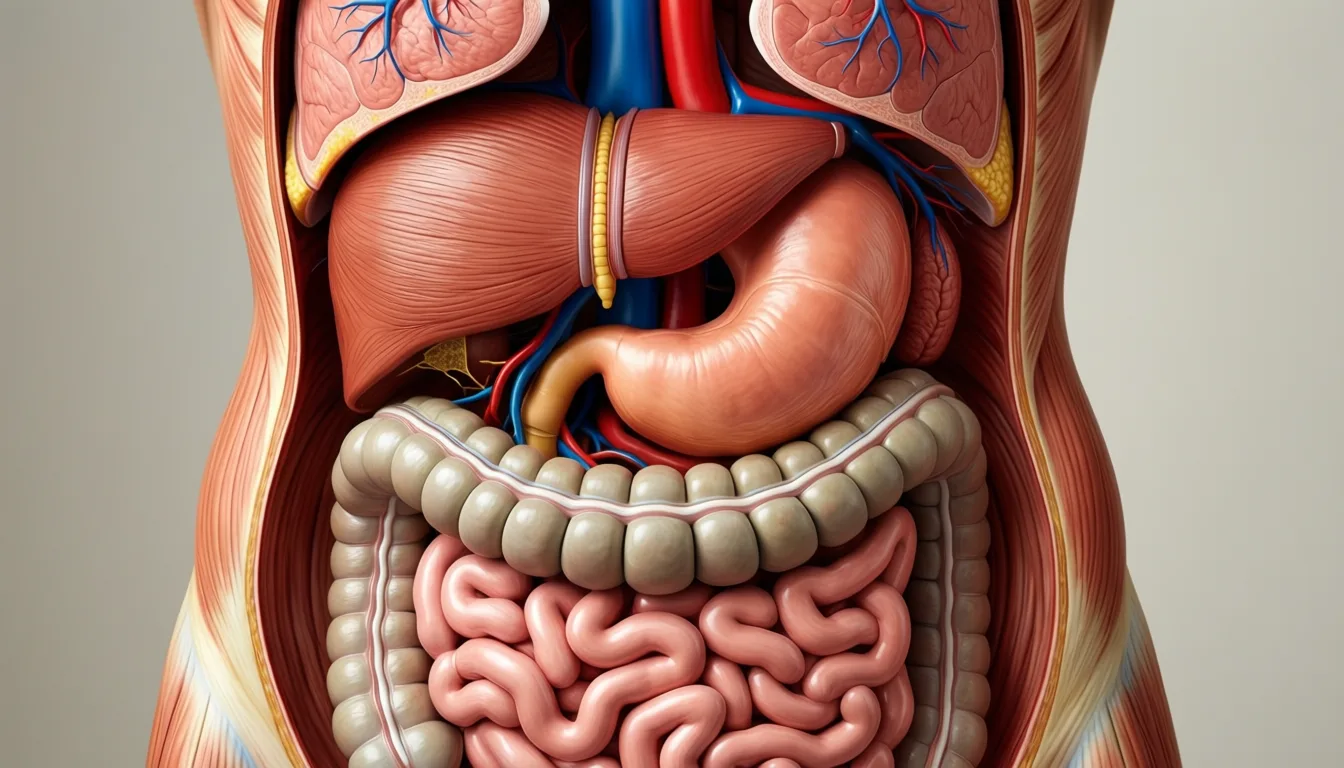
Visceral fat — the deep kind that wraps around organs — behaves less like storage and more like an endocrine gland gone rogue.
The drug shelf, honestly assessed
There are now seven FDA-approved anti-obesity medications, and a 2025 review in Endocrinology and Metabolism Clinics of North America walks through all of them: phentermine, orlistat, phentermine/topiramate ER, naltrexone SR/bupropion SR, liraglutide 3.0 mg, semaglutide 2.4 mg, and tirzepatide. The authors are blunt about something that gets buried in TikTok-era enthusiasm: obesity is a chronic disease, and these medications are designed to be prescribed for long-term use — not a six-month sprint before a wedding.
The newer GLP-1 and dual GLP-1/GIP agonists are the ones doing the heavy cultural lifting, and for reason: their phase 3 trial data on weight reduction outstrip anything in the previous generation. But each of the seven drugs has its own mechanism, its own side-effect profile, and its own contraindications — which is the polite way of saying this is not a one-size-fits-all conversation, and it absolutely belongs in a clinician's office, not a comment section.
Body weight is a blunt instrument. The new framing watches where fat sits and what it's doing — not just how much of it there is.
The heart is the real prize
If the adipocentric argument has a closing statement, this is it. A separate 2025 review in Endocrinology and Metabolism Clinics of North America lays out the case that increased adiposity drives a long list of cardiovascular outcomes — coronary artery disease, heart failure, arrhythmias — through both direct mechanical strain and indirect chemical mischief. The authors call obesity a global public-health crisis and frame weight management as cardiovascular prevention, full stop.
The emerging GLP-1 signal is a big part of why. The same review notes that these drugs are producing remarkable weight reduction alongside cardiovascular prevention — a combination older weight-loss drugs never delivered. The authors are careful, though. They flag controversies and unresolved questions, and the evidence is best read as a strong, consistent signal rather than a settled verdict. Moderate confidence, not certainty.
For women in perimenopause, this matters in a specific way. Cardiovascular risk quietly accelerates after the menopausal transition, and visceral fat tends to expand even when the scale stays polite. A framework that treats fat tissue as a cardiovascular risk factor — instead of a cosmetic one — is, frankly, overdue.

What this means for the rest of us
You don't need a prescription pad to use the adipocentric lens. The same review that argues for it in pharmacology also leads with lifestyle modifications — the unsexy foundation that every drug protocol still sits on top of. Strength training, protein-forward eating, sleep, and stress management aren't substitutes for medical care when medical care is warranted, but they're the levers most directly under your control, and they happen to target the same visceral-fat, insulin-resistance, inflammation triangle the drugs are aimed at.
The deeper shift the science is asking for is mental. Stop asking the scale if you're winning. Start asking better questions: Is my waist measurement creeping up while my weight holds steady? Is my blood pressure drifting? Are my fasting labs telling a story my mirror isn't? Those are the signals the new framework wants you tracking. The number you've been staring at for twenty years was, it turns out, the least interesting one in the room.
- The target is shifting. A 2025 review argues most type 2 diabetes is really 'adiposopathy' — a fat-tissue disease — and should be treated by reducing visceral fat, not just glucose.
- Seven drugs, not one. The FDA has approved seven anti-obesity medications; GLP-1s like semaglutide and the dual-agonist tirzepatide are the newest, but each drug has distinct mechanisms and risks.
- They're meant for the long haul. Reviewers frame obesity as a chronic disease and these medications as long-term tools, not crash courses.
- The heart benefit is real but still maturing. GLP-1s show a consistent cardiovascular prevention signal alongside weight loss — promising, with unresolved questions.
- Lifestyle still anchors everything. Diet, movement, and behavior change remain the foundation under any pharmacological strategy.
- Stop worshipping the scale. Visceral fat, waist measurements, and metabolic labs tell a truer story than body weight alone.
Frequently asked questions
What is 'adiposopathy-related diabetes,' and why does the article say it matters?
A 2025 review in the Journal of Clinical Medicine describes adiposopathy-related diabetes as a fat-tissue disease that shows up as abnormal blood sugar, the way a smoke alarm shows up as noise. Its three defining features are visceral fat accumulating where it doesn't belong, inflammatory signals leaking from fat cells, and insulin that stops working properly. The review argues that treating it by reducing visceral fat — rather than just managing glucose levels — can push type 2 diabetes into remission while also delivering cardiovascular and kidney benefits.
Why isn't the number on the scale enough to gauge metabolic health?
According to the article, a woman can lose ten pounds and still carry metabolically dangerous visceral fat, while another can hold steady on the scale as her deep, organ-hugging fat quietly expands during hormonal shifts. The article describes body weight as a 'blunt instrument' and says the more meaningful signals include whether waist measurement is creeping up, whether blood pressure is drifting, and what fasting labs show.
How many anti-obesity drugs has the FDA approved, and are they intended for short-term use?
The FDA has approved seven anti-obesity medications: phentermine, orlistat, phentermine/topiramate ER, naltrexone SR/bupropion SR, liraglutide 3.0 mg, semaglutide 2.4 mg, and tirzepatide. A 2025 review cited in the article is explicit that obesity is a chronic disease and these medications are designed for long-term use, not a short-term course before a specific event.
What makes GLP-1 drugs stand out from older weight-loss medications?
The article notes that GLP-1 and dual GLP-1/GIP agonists produced phase 3 trial data on weight reduction that outstrip anything in the previous generation of drugs. A separate 2025 review also highlights that these drugs are producing cardiovascular prevention alongside weight reduction — a combination older weight-loss drugs never delivered, though the authors describe the evidence as a strong, consistent signal rather than a settled verdict.
What lifestyle changes does the article mention for addressing visceral fat?
The article points to strength training, protein-forward eating, sleep, and stress management as lifestyle levers most directly under a person's control. It describes these as the 'unsexy foundation' that every drug protocol still sits on top of, and notes they target the same visceral-fat, insulin-resistance, and inflammation triangle that the medications are aimed at.
Sources
- Adipocentric Strategy for the Treatment of Type 2 Diabetes Mellitus. — Journal of clinical medicine
- Cutting-Edge Approaches to Obesity Management: The Latest Pharmacological Options. — Endocrinology and metabolism clinics of North America
- The Close Link Between Obesity and Cardiovascular Disease: Current Insights and Remaining Challenges. — Endocrinology and metabolism clinics of North America