
In This Issue
Metabolic Health
-
 Semaglutide's Second Act: Beyond Weight Loss to Liver, Skin, and Inflammation
New 2025 data hints that GLP-1 drugs may quiet inflammation in the liver and skin — but a sober pharmacology review reminds us the price tag, and the science, are still catching up.
Semaglutide's Second Act: Beyond Weight Loss to Liver, Skin, and Inflammation
New 2025 data hints that GLP-1 drugs may quiet inflammation in the liver and skin — but a sober pharmacology review reminds us the price tag, and the science, are still catching up.
-
 Obesity as an Immune Disease: Why Inflammation May Be the Missing Frame
A major new synthesis argues obesity is not just a metabolic condition but a fundamentally altered immunological state — reshaping how we think about GLP-1s, weight loss, and the body's defenses.
Obesity as an Immune Disease: Why Inflammation May Be the Missing Frame
A major new synthesis argues obesity is not just a metabolic condition but a fundamentally altered immunological state — reshaping how we think about GLP-1s, weight loss, and the body's defenses.
-
 Beyond Weight Loss: What GLP-1 Drugs May Be Doing to the Liver, the Brain's Reward System, and Older Patients
Three 2025 studies suggest the new generation of metabolic drugs reaches further than the scale — into addiction risk, liver fat, and the realities of treating people over 65. The evidence is promising, and still maturing.
Beyond Weight Loss: What GLP-1 Drugs May Be Doing to the Liver, the Brain's Reward System, and Older Patients
Three 2025 studies suggest the new generation of metabolic drugs reaches further than the scale — into addiction risk, liver fat, and the realities of treating people over 65. The evidence is promising, and still maturing.






Semaglutide's Second Act: Beyond Weight Loss to Liver, Skin, and Inflammation
New 2025 data hints that GLP-1 drugs may quiet inflammation in the liver and skin — but a sober pharmacology review reminds us the price tag, and the science, are still catching up.
For two years, semaglutide has been talked about almost exclusively in the language of the scale: pounds lost, jeans re-fit, before-and-afters traded in group chats. But quietly, in 2025, the conversation among researchers has been shifting. A cluster of new papers is asking a different question — not how much weight the drug can shed, but how much inflammation it can dial down. Early signals from a small psoriasis trial, a real-world look at fatty liver, and a sweeping pharmacology review suggest GLP-1 agonists may be doing more than suppressing appetite. They may be reaching into the metabolic systems that drive skin flares, liver scarring, and cardiovascular risk all at once.
The caveat first, because it matters: the strongest 2025 evidence here is still moderate. We are looking at a 31-person randomized trial, a post-hoc analysis of a Japanese real-world cohort, and a critical review that is openly skeptical about cost and durability. None of this is a verdict. All of it is a thread worth pulling.
What's striking is the shape of the thread. Semaglutide was designed to mimic glucagon-like peptide-1, a gut hormone that nudges insulin, slows gastric emptying, and tells the brain you're full. The weight loss followed. But GLP-1 receptors live on more than pancreatic beta cells — they show up on immune cells, hepatocytes, and vascular endothelium. If the drug is quieting systemic inflammation along the way, the downstream effects could be much broader than a smaller waistband.
The psoriasis signal
Psoriasis is, at its core, an inflammatory disease — visible on the skin, but driven by a cytokine storm that also tracks with cardiovascular and metabolic risk. So when a team of dermatologists and endocrinologists ran an open-label randomized trial of semaglutide in obese patients with type 2 diabetes and psoriasis, they were testing a specific hypothesis: if you turn down the metabolic-inflammatory volume, does the skin calm down too?
The answer, in this small 12-week study of 31 patients, was yes — at least by the standard scoring tools. Median Psoriasis Area and Severity Index (PASI) scores fell from 21 at baseline to 10 after three months of semaglutide, a statistically significant drop (p = 0.002). Dermatology Life Quality Index scores — how much the condition interferes with daily life — improved meaningfully in the treated group as well.
It is, to be clear, a small open-label trial. Thirty-one people is a signal, not a verdict, and open-label designs are vulnerable to expectation effects on both sides of the stethoscope. But it lines up with a broader hypothesis the field has been circling: that the inflammatory machinery behind metabolic disease and the machinery behind autoimmune skin conditions share more wiring than dermatology and endocrinology used to acknowledge.

A small 2025 trial suggests semaglutide may reduce psoriasis severity scores — but the sample was tiny and open-label.
The liver story
If the skin data is intriguing, the liver data is, frankly, more consequential. Metabolic dysfunction-associated steatotic liver disease — MASLD, the condition formerly known as NAFLD — is now one of the most common chronic liver conditions globally, and the fibrosis it can progress to is what actually shortens lives.
A 2025 post-hoc analysis of the Sapporo-Oral SEMA study looked at 169 Japanese adults with type 2 diabetes taking oral semaglutide in everyday clinical practice — not a tightly controlled trial population. Among those with elevated ALT (a marker suggesting MASLD), the hepatic steatosis index improved significantly after switching to or adding oral semaglutide. In a high-risk subgroup flagged by elevated FIB-4 scores or low platelet counts — proxies for existing fibrosis — the fibrosis marker itself improved.
That is a meaningful real-world signal, with real-world caveats. Retrospective observational data cannot prove causation; most participants had switched from other diabetes medications, which complicates the comparison. But it adds weight to a pattern the broader review literature has been describing: that semaglutide, in many cases, appears to resolve nonalcoholic steatohepatitis — the inflammatory, more dangerous form of fatty liver — alongside its glycemic and weight effects.
The question is no longer just whether GLP-1s shrink waistlines. It's whether they quiet the inflammation that links the gut, the liver, the skin, and the heart.
The honest economics
Here is where any responsible read of this moment has to slow down. A 2025 critical review in the British Journal of Pharmacology walks through what semaglutide can and cannot do — and what it costs. The headline numbers are striking: pooled trials show an average weight loss of about 11.62 kg compared with placebo, waist circumference reductions of up to 9.4 cm, and improvements in blood pressure, fasting glucose, C-reactive protein, and lipid profiles. There are documented cardiovascular benefits in patients with established atherosclerotic disease, reduced risk of adverse kidney outcomes, and, as noted, resolution of nonalcoholic steatohepatitis in many cases.
But the same review is blunt about the limits. Weight regain is common once the drug is stopped. Mild-to-moderate gastrointestinal side effects are the rule, especially with the oral daily formulation. Hypoglycemia risk rises when lifestyle changes do not accompany the prescription. And the access picture — who can actually afford a medication that may need to be taken indefinitely to maintain its effects — is, in the authors' framing, a defining question of whether this drug class lives up to its promise as a public-health tool or remains a premium intervention for those who can pay.

How to read this moment
The most useful frame for these three papers is probably this: GLP-1 receptor agonists are starting to look less like weight-loss drugs that happen to have other effects, and more like metabolic-inflammatory drugs that happen to cause weight loss. That is a subtle but important reframe. It explains why a hormone analogue designed for blood sugar can plausibly nudge a PASI score down or a fibrosis index up. It also explains why so many adjacent specialties — hepatology, dermatology, cardiology, nephrology — are suddenly running their own trials.
What it does not do is settle anything. The psoriasis result needs replication in larger, blinded trials. The MASLD signal needs prospective confirmation, ideally with biopsy or imaging endpoints rather than indices. And the affordability question — who gets to benefit from a drug class that may reshape preventive medicine — is not going to be answered in a journal.
For readers paying attention, the smart move right now is to hold two things at once: real curiosity about where this science is going, and real skepticism about anyone selling certainty before the evidence arrives.
- The reframe. 2025 data suggests semaglutide's effects may extend beyond weight to inflammation in the skin, liver, and vasculature.
- The psoriasis trial. A 31-person open-label RCT saw median PASI scores drop from 21 to 10 over 12 weeks — promising but small.
- The liver signal. Real-world data on oral semaglutide showed improvements in steatosis and, in a high-risk subgroup, fibrosis markers.
- The catch. Weight regain after stopping is common, GI side effects are frequent, and cost remains a serious access barrier.
- What to do. Treat semaglutide as a fast-evolving story, not a settled prescription — and bring any decisions to a clinician who knows you.
Frequently asked questions
Why would a diabetes drug have any effect on skin or liver disease?
Semaglutide mimics glucagon-like peptide-1, a gut hormone, but GLP-1 receptors appear on immune cells, hepatocytes, and vascular endothelium — not just pancreatic beta cells. If the drug is quieting systemic inflammation, the downstream effects could reach the metabolic systems that drive skin flares, liver scarring, and cardiovascular risk.
What did the 2025 psoriasis study actually find?
In a small 12-week open-label trial of 31 obese patients with type 2 diabetes and psoriasis, median Psoriasis Area and Severity Index scores fell from 21 at baseline to 10 after three months of semaglutide, a statistically significant result. Dermatology Life Quality Index scores — measuring how much the condition interferes with daily life — also improved meaningfully in the treated group.
How strong is the evidence on semaglutide and fatty liver disease?
The 2025 liver data comes from a retrospective, observational post-hoc analysis of 169 Japanese adults with type 2 diabetes taking oral semaglutide in everyday clinical practice, not a tightly controlled trial. Among those with signs of liver disease, the hepatic steatosis index improved, and in a high-risk subgroup, a fibrosis marker also improved — though retrospective observational data cannot prove causation.
What happens to the weight loss if someone stops taking semaglutide?
According to a 2025 critical review cited in the article, weight regain is common once the drug is stopped. This raises the question of whether semaglutide may need to be taken indefinitely to maintain its effects.
What side effects are associated with semaglutide?
The article notes that mild-to-moderate gastrointestinal side effects are the rule, especially with the oral daily formulation. Hypoglycemia risk also rises when lifestyle changes do not accompany the prescription.
Sources
- Effects of Semaglutide Treatment on Psoriatic Lesions in Obese Patients with Type 2 Diabetes Mellitus: An Open-Label, Randomized Clinical Trial. — Biomolecules
- The Effects of Oral Semaglutide on Hepatic Fibrosis in Subjects with Type 2 Diabetes in Real-World Clinical Practice: A Post Hoc Analysis of the Sapporo-Oral SEMA Study. — Pharmaceuticals (Basel, Switzerland)
- How 'miracle' weight-loss semaglutide promises to change medicine but can we afford the expense? — British journal of pharmacology

Obesity as an Immune Disease: Why Inflammation May Be the Missing Frame
A major new synthesis argues obesity is not just a metabolic condition but a fundamentally altered immunological state — reshaping how we think about GLP-1s, weight loss, and the body's defenses.
For most of the modern era, obesity has been framed as a problem of arithmetic — calories in, calories out, with hormones and willpower negotiating the margins. But a growing body of immunology is quietly rewriting that story. A 2025 synthesis in the Annual Review of Pathology argues that obesity is better understood as a fundamentally altered immunological state: a condition in which the body's defense system is reshaped from the inside out, with consequences that ripple through infection, inflammation, and even the response to cancer.
The review, led by researchers consolidating decades of seminal and recent work, proposes a deceptively simple reframing. Obesity, the authors argue, is not merely an altered metabolic state but also a fundamentally altered immunological state — one characterized by chronic, low-grade inflammation and a systemic loss of homeostasis. That shift in framing matters, because it changes the questions worth asking. Instead of asking only how excess adiposity strains the heart or the pancreas, it asks how it rewires the very cells charged with defending us.
The evidence here is best described as moderate. Much of it comes from synthesizing observational human data with mechanistic studies in animals and cell systems. No single trial proves the immune-disease frame; rather, a convergence of findings across microbial defense, allergic inflammation, and antitumor immunity points in the same direction.
What "immune dysregulation" actually means
The immune system is not a single organ but a distributed network — patrolling cells in the blood, sentinel populations in the gut and skin, and resident immune cells embedded inside tissues like fat itself. In a lean, metabolically healthy state, these populations help maintain balance: clearing pathogens, resolving small injuries, and quietly tuning local metabolism. In obesity, that choreography shifts. The review describes how adipose tissue, once considered an inert storage depot, behaves more like an active immune organ — with T cells and other immune populations changing in number, location, and behavior as fat mass expands.
The downstream effects, according to the synthesis, span obesity's classical role in microbial defense, its contribution to maladaptive inflammatory diseases such as asthma, and its impact on antitumor immunity. In other words, the same immunological drift that makes infections harder to clear may also amplify allergic disease and complicate the body's surveillance of nascent tumors.

The immune frame doesn't replace the metabolic one — it sits alongside it, and may explain why obesity touches so many seemingly unrelated diseases.
- A reframing, not a replacement. Obesity is being described as both a metabolic and an immunological condition, with chronic inflammation as a central feature.
- Evidence is moderate. The case rests on a synthesis of human, animal, and mechanistic studies — not a single definitive trial.
- Fat is an immune organ. Adipose tissue houses T cells and other immune populations whose behavior shifts as weight rises.
- The effects are broad. Immune dysregulation in obesity touches infection defense, asthma and allergic disease, and antitumor immunity.
- GLP-1s raise new questions. Whether weight loss — including pharmacological weight loss — fully reverses these immune changes is an open scientific question.
- Talk to a clinician. This is a frame for understanding, not a prescription. Decisions about therapy belong in a medical conversation.
Where GLP-1s enter the picture
GLP-1 receptor agonists have shifted the clinical landscape of obesity faster than almost any drug class in recent memory. The immune frame adds a layer to that story. If obesity reshapes immune function, then sustained weight loss — whether through lifestyle, surgery, or medication — might also reshape it back. But how completely, and how quickly, is unsettled.
The review explicitly flags this as a frontier, calling for investigation of the durable aspects of obesity on immunological function even after weight loss, such as those observed with glucagon-like peptide-1 (GLP-1) receptor agonist treatment. The implication is careful but important: losing weight is not necessarily the same as erasing every immunological fingerprint that obesity left behind. Some changes may persist; others may resolve on their own timeline.
For readers on or considering a GLP-1, this is worth holding lightly. It is not a reason for alarm, and it is not evidence that the drugs fail to help. The cardiovascular and metabolic benefits documented in large trials remain. It is, rather, a reminder that the biology is still being mapped, and that "weight loss" and "full immunological reset" may not be perfect synonyms.
Obesity is not merely an altered metabolic state but also a fundamentally altered immunological state. Jiang et al., Annual Review of Pathology, 2025
Why the frame matters at the bedside
Framing shapes practice. If obesity is understood purely as a problem of energy balance, the therapeutic imagination narrows to diet, exercise, and appetite-suppressing drugs. If it is also understood as an immune condition, a wider set of questions opens up: how it interacts with vaccines, with autoimmune disease, with the inflammatory aging that underlies so many late-life conditions. The review's authors are careful not to overclaim. They are summarizing a field, not announcing a cure.
For clinicians, the practical translation is mostly about context — recognizing that a patient living with obesity is also living with a quietly altered immune environment, and that this may help explain patterns that would otherwise look unrelated. For patients, the translation is humbler still: this is a piece of the picture, not a verdict. The most useful next step is rarely a new supplement or a self-directed protocol. It is a conversation with a doctor who knows your history.

The immune frame reinforces an old message in new language: sustained metabolic health is also immune health.
The honest bottom line
The immune-disease frame for obesity is not a marketing slogan; it is a scientific argument supported by a moderate but coherent body of evidence. It does not mean every symptom should be re-attributed to inflammation, or that GLP-1s are either heroes or villains in some new immunological drama. It means the biology is richer than the calorie-balance story has allowed, and that the next decade of research will likely refine — and complicate — what we think we know.
For now, the most defensible posture is the one this magazine tries to model: curious, calm, and conservative with claims. The science is moving. So is the conversation. The best place to apply any of it is in dialogue with a clinician who knows you, not in a feed that doesn't.
Frequently asked questions
What does it mean to say obesity is an immune disease?
The article describes obesity as not only a metabolic condition but also a fundamentally altered immunological state, characterized by chronic, low-grade inflammation and a systemic loss of homeostasis. Adipose tissue, once considered an inert storage depot, behaves more like an active immune organ, with T cells and other immune populations changing in number, location, and behavior as fat mass expands. This immune frame sits alongside the traditional metabolic understanding rather than replacing it.
How strong is the evidence that obesity alters the immune system?
The article characterizes the evidence as moderate, built from a synthesis of observational human data, animal studies, and mechanistic cell research rather than a single definitive trial. A convergence of findings across microbial defense, allergic inflammation, and antitumor immunity points in the same direction. The review's authors are careful to say they are summarizing a field, not announcing a cure.
Which areas of health are affected by immune changes in obesity?
According to the review, immune dysregulation in obesity touches three broad areas: defense against infections, maladaptive inflammatory conditions such as asthma and allergic disease, and the body's antitumor immunity. The article notes that the same immunological drift that makes infections harder to clear may also amplify allergic disease and complicate the body's surveillance of nascent tumors.
If I lose weight on a GLP-1 medication, will my immune system fully reset?
The article describes this as an open scientific question the review explicitly flags as a frontier. It states that losing weight is not necessarily the same as erasing every immunological fingerprint that obesity left behind — some changes may persist while others resolve on their own timeline. The article notes that the cardiovascular and metabolic benefits of GLP-1s documented in large trials remain, but cautions that 'weight loss' and 'full immunological reset' may not be perfect synonyms.
Does this mean I should change my treatment or start a new supplement based on this research?
The article is explicit that this immune frame is meant for understanding, not as a prescription, and that decisions about therapy belong in a conversation with a clinician who knows your history. It cautions that the most useful next step is rarely a new supplement or a self-directed protocol. Anyone selling certainty about settled answers to the open questions raised by this research should be treated with appropriate skepticism.
Sources
- Immune Dysregulation in Obesity. — Annual review of pathology
Centenarian Blood: Why the Longest-Lived Humans Carry Youth-Like Red Cells and Acetyl Marks
Two 2025 studies converge on measurable biological signatures that set centenarians—and long-lived mammals—apart. The evidence is intriguing, the mechanisms partial, the hype unwarranted.
For as long as people have lived past a hundred, the rest of us have wanted to know what is in their blood. The wish is half-poetic and half-pharmacological: surely something measurable, something bottle-able, distinguishes the centenarian from the merely old. Two peer-reviewed studies published in 2025 offer the most disciplined answer yet. They do not name an elixir. They name signatures—patterns in red blood cells and in the chemical tags that decorate proteins—that travel with extreme longevity. They are clues, not cures, and that distinction is the whole story.
The first clue lives in the humblest of cells. Red blood cells are usually treated as oxygen couriers and little else: no nucleus, no drama, a four-month working life. Yet a study in Aging Cell reports that the erythrocytes of longevity individuals behave, biochemically, more like those of young adults than of typical elderly people. Their oxygen-release function is preserved, their metabolite profile is reorganized in youthful directions, and the differences are pronounced enough to separate the longevity group from the elderly on metabolomic grounds alone.
The second clue is written one rung up, on proteins themselves. In Nature Communications, researchers built a computational tool called PHARAOH and trained it on acetylome and proteome data across 107 mammalian species—creatures whose maximum lifespans differ roughly 100-fold. The output is a kind of evolutionary ledger: 482 acetylated lysine sites in mice and 695 in humans that track significantly with longevity. At many of these positions, short-lived species carry a reversibly acetylated lysine while long-lived species carry a fixed mimic—glutamine (constant 'on') or arginine (constant 'off')—as if evolution had decided the switch should stop flickering.
What red cells are doing differently
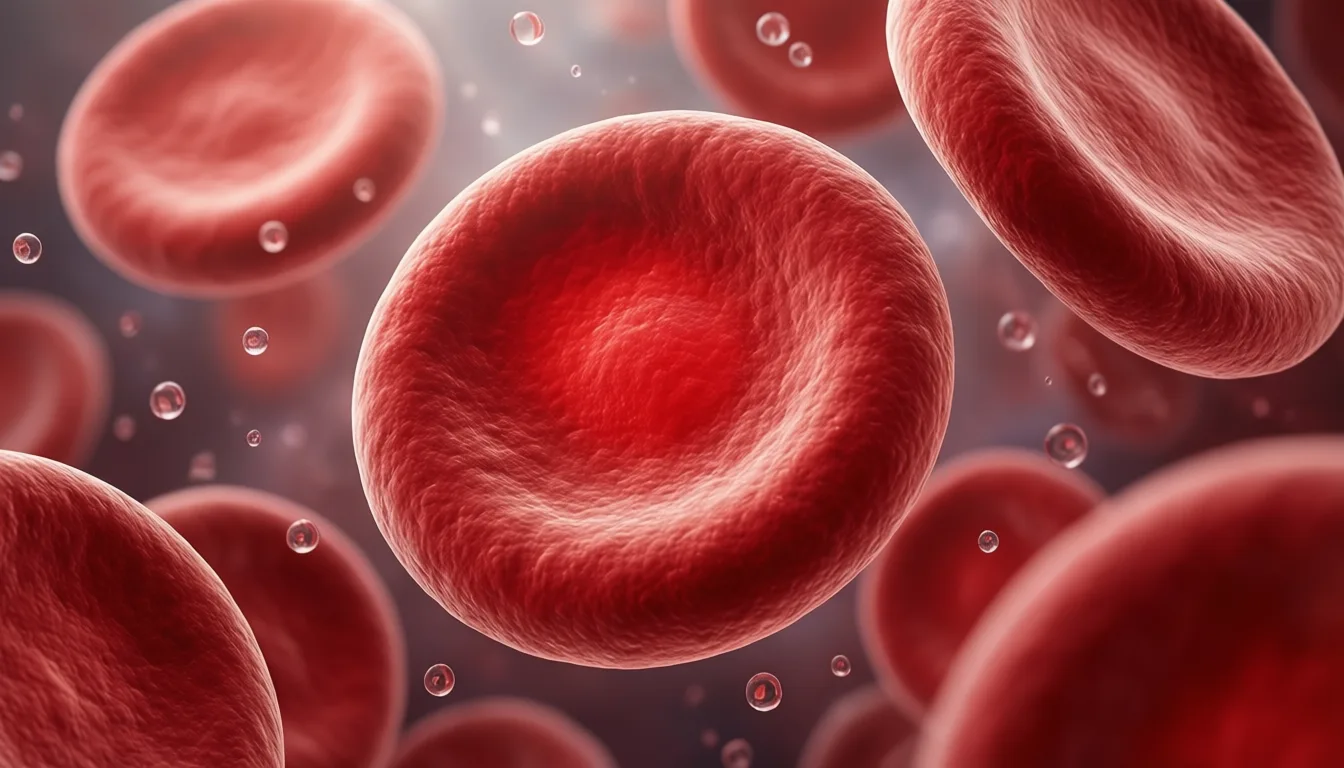
Erythrocytes outlive their reputation as passive couriers; their metabolism reorganizes with age—except, apparently, in the very long-lived.
The mechanistic sketch the Aging Cell authors propose is specific enough to be testable. In longevity erythrocytes, the enzyme bisphosphoglycerate mutase (BPGM) is elevated and the transporter MFSD2B is reduced. Together, those shifts raise intracellular sphingosine-1-phosphate (S1P), which nudges the enzyme GAPDH off the membrane and into the cytosol. The downstream effect is a glucose-handling reroute through the Rapoport–Luebering shunt and more 2,3-bisphosphoglycerate—the molecule that tells hemoglobin to let go of its oxygen. The same cells also show higher glutathione production via boosted glutamine and glutamate transport, a plausible buffer against the oxidative wear that accumulates with age.
Named on the longevity side of the ledger are adenosine, S1P, and glutathione-related amino acids. None of these is novel to aging biology; what is new is finding them clustered, in a coherent pattern, inside the red cells of people who reached extreme old age. Whether that pattern is cause, consequence, or correlate of long life is not settled by a cross-sectional comparison—a caveat the data themselves enforce.
Evolution appears to have decided, in long-lived species, that certain switches should stop flickering.
An acetyl ledger across mammals
The PHARAOH analysis is comparative rather than clinical, and that is its strength. By looking across species whose maximum lifespans span two orders of magnitude, the authors can ask which acetylation sites move with longevity rather than with any one organism's quirks. The pathways flagged—mitochondrial translation, cell cycle control, fatty acid oxidation, transsulfuration, and DNA repair—read like a roll call of the usual aging suspects, which is reassuring rather than surprising.
The validation experiments are where the paper earns its keep. Swapping a single lysine for arginine at position 386 of mouse cystathionine beta synthase—nudging it toward the human sequence—increased the enzyme's pro-longevity activity. Conversely, replacing acetylated lysine 714 in human USP10 with arginine, the residue found in short-lived mammals, blunted its anti-neoplastic function. Two edits do not a therapy make, but they do convert a correlation into a mechanistic claim worth taking seriously.

Acetylation tags decorate lysine residues; in long-lived species, many of those switches are fixed rather than flipped.
How much should this change what you do?
Honestly: not much, yet. Neither study tests an intervention in healthy adults. Neither identifies a supplement, a dose, or a habit that reliably reproduces these signatures. The erythrocyte work is observational and based on people who already lived a long time; we cannot tell whether their red-cell metabolism is something they were born with, something they earned through decades of low disease burden, or something cultivated by behaviors the study did not measure. The acetylome work is brilliant comparative biology, but a residue swap in an enzyme assay is several long steps from a clinical recommendation.
What both papers do, persuasively, is push the field past the vague language of 'rejuvenation molecules' toward specific, measurable phenotypes—oxygen-release kinetics in red cells, a defined map of acetylation sites—that future trials can actually target. That is the kind of progress that does not photograph well but tends to matter.
- Two convergent signatures. Centenarian red cells show youth-like oxygen-release function and metabolite profiles; long-lived mammals share a distinctive map of protein acetylation sites.
- Specific molecules named. Adenosine, sphingosine-1-phosphate, and glutathione-related amino acids cluster in longevity erythrocytes, alongside elevated BPGM and reduced MFSD2B.
- Pathways implicated. Mitochondrial translation, DNA repair, fatty acid oxidation, and transsulfuration recur in the longevity-associated acetylome.
- Mechanism, not yet medicine. Enzyme-level swaps validate causal plausibility, but no human intervention has been shown to reproduce these signatures.
- Caveat the evidence. Both studies are observational or comparative; cause versus consequence remains genuinely open.
- Talk to a clinician before acting on any longevity narrative—especially the supplement-shaped ones these findings will inevitably spawn.
It is tempting, with findings this elegant, to skip to the bottle. The discipline of the work argues otherwise. The longest-lived humans are not telling us what to swallow. They are telling us, in the metabolism of their red cells and the chemistry of their proteins, where to look next.
Frequently asked questions
What makes centenarian red blood cells different from those of typical older adults?
According to the Aging Cell study, the red blood cells of longevity individuals behave biochemically more like those of young adults than of typical elderly people. Their oxygen-release function is preserved, their metabolite profile is reorganized in youthful directions, and the differences are pronounced enough to separate the longevity group from the elderly on metabolomic grounds alone.
Which specific molecules were found clustered in the red blood cells of long-lived people?
Adenosine, sphingosine-1-phosphate (S1P), and glutathione-related amino acids were found clustered in a coherent pattern inside the red cells of people who reached extreme old age. The same cells also showed elevated BPGM enzyme activity and reduced MFSD2B transporter levels.
What is PHARAOH, and what did it reveal about longevity?
PHARAOH is a computational tool built by researchers and trained on acetylome and proteome data across 107 mammalian species whose maximum lifespans differ roughly 100-fold. It identified 695 acetylated lysine sites in humans and 482 in mice that track significantly with longevity, finding that long-lived species often carry fixed amino acid substitutions at these positions rather than reversible acetylation switches.
Do these studies suggest people should take supplements to replicate longevity signatures?
Neither study tests an intervention in healthy adults, and neither identifies a supplement, dose, or habit that reliably reproduces these signatures. The article explicitly warns that the molecules measured were found inside the red blood cells of people who had already lived past a hundred—not delivered as pills shown to make anyone live longer.
Were the acetylation findings just correlations, or was causation demonstrated?
The researchers conducted validation experiments that moved beyond correlation: swapping a single lysine for arginine at position 386 of mouse cystathionine beta synthase increased the enzyme's pro-longevity activity, while replacing an acetylated lysine in human USP10 with arginine blunted its anti-neoplastic function. The article describes these as converting a correlation into a mechanistic claim, while noting that two edits do not constitute a therapy.
Sources
- Longevity Humans Have Youthful Erythrocyte Function and Metabolic Signatures. — Aging cell
- The mammalian longevity associated acetylome. — Nature communications

Beyond Diabetes: The Expanding—and Uneasy—Frontier of GLP-1 Medicine
A new wave of peer-reviewed evidence shows GLP-1 drugs reaching further into metabolic medicine—while exposing risks that busy men should know before they fill the prescription.
The GLP-1 story is no longer just about diabetes, and it is no longer just about weight. It is becoming a story about how far one class of peptide can reach into metabolic medicine before its edges start to show. For a 40-year-old man eyeing semaglutide or tirzepatide as a shortcut to a leaner midsection and steadier energy, the question is no longer does it work. The question is what the newest evidence actually says about where these drugs are heading, what they touch on the way, and where the risks are still being mapped in real time.
Five recent peer-reviewed papers, read together, sketch that frontier. There is a Phase 1 trial of a novel long-acting agonist. A meta-analysis on bone. A clinical review on pregnancy exposure. A safety case report from an intensive care unit. And a UK cost-effectiveness analysis pitting an oral GLP-1 against a cheaper injectable. None of them is a blockbuster on its own. Together they describe a class of drugs that is widening faster than its safety scaffolding.
Start with what is coming. A new long-acting GLP-1 receptor agonist called GZR18 has cleared its first human studies, with parallel Phase 1, randomized, double-blind, placebo-controlled dose-escalation trials in healthy American and Chinese adults showing comparable drug exposure across both populations and a dose-dependent pharmacokinetic profile suitable for once-weekly subcutaneous dosing. That is exactly the kind of quiet, technical result that signals a serious contender entering a crowded field — not a finished product, but a credible candidate moving up the development ladder.
What the new molecule actually tells us
Phase 1 is a narrow lens. It tests safety, tolerability and how the drug behaves in the body, not whether it will outperform semaglutide or tirzepatide for fat loss in a man with a thickening waistline. Read the GZR18 result as a signal that the pipeline behind today's headline drugs is genuinely deep, and that the next generation of long-acting agonists is being engineered for global populations from the start. What it does not tell you is whether any of this will matter to your body composition in 2027. That requires Phase 2 and Phase 3 data we do not yet have.

The pipeline behind today's GLP-1 headlines is unusually deep — but most of it is still years from a prescription pad.
The bone question, partially answered
One of the more reasonable worries about aggressive weight loss in midlife men is what happens to the skeleton. Rapid fat loss has historically come with collateral damage to bone, and any drug that drives 15% or 20% body-weight reductions deserves scrutiny on that front. Here the news is cautiously reassuring. A systematic review and meta-analysis of 25 randomized trials in type 2 diabetes found GLP-1 receptor agonists were not associated with an increased fracture risk, and were linked to improvements in lumbar spine, femoral neck and total hip bone mineral density compared with controls. Markers of bone formation moved in the right direction; a marker of bone resorption moved down.
Two caveats matter for a 40-year-old reader. First, this evidence is in people with type 2 diabetes, not in metabolically healthy men using these drugs off-label for aesthetics. Second, bone density on a scan is not the same thing as fracture protection over decades. The meta-analysis is encouraging on a real concern, but it is not a green light to assume your skeleton is indifferent to how you lose weight.
The risks that get under-reported
The safety frontier is where the language has to stay honest. A 2025 case report describes a 35-year-old pregnant woman with type 2 diabetes, on the GLP-1 agonist dulaglutide but non-adherent to insulin, who was admitted for septic arthritis and then deteriorated into euglycemic diabetic ketoacidosis requiring ICU-level care and an insulin drip. The clinical point the authors press: ketoacidosis can develop without the dramatic high glucose readings that normally trigger a workup, and GLP-1 therapy sits on the list of contributing factors clinicians should consider alongside sepsis and pregnancy.
A single case does not establish risk for a healthy man optimizing his physique. But it does illustrate a real pattern in the literature: these drugs interact with acute illness, with other medications, and with physiological states in ways the marketing does not surface. If you are on a GLP-1 and you get genuinely sick — flu, infection, surgery — that is a conversation with a clinician, not a forum thread.
The class is widening faster than its safety scaffolding.
Pregnancy, fertility, and the men who get asked
This one matters more to men than the section title suggests. A 2025 clinical review in Clinical Medicine lays out the evolving picture: GLP-1 receptor agonists are not licensed in pregnancy, fetal safety data are limited, and with rising pre-conception use for obesity and type 2 diabetes, the chance of incidental exposure around conception is climbing. The authors argue pre-conception counselling should be built into prescribing from the start.
If you have a partner who could become pregnant, and either of you is on a GLP-1 for weight or glycemic control, this is the part of the conversation the clinic visit often skips. The review is a clear instruction to put it back on the agenda.

The pre-conception conversation is the one the literature says is most often skipped.
Pills, injections and what the system will actually pay for
Access shapes outcomes. A UK cost-effectiveness analysis used the validated PRIME Type 2 Diabetes Model and PIONEER 4 trial inputs to compare oral semaglutide 14 mg against liraglutide 1.8 mg at progressively discounted acquisition costs from the NHS perspective, factoring in the quality-of-life difference between a daily pill and a daily injection. The practical takeaway for a reader navigating private prescriptions or an employer plan: oral and injectable GLP-1s are not interchangeable on cost, convenience or modeled long-term value, and the cheapest sticker price is not always the cheapest outcome over a lifetime of treatment.
- The pipeline is real. A novel long-acting agonist (GZR18) has cleared Phase 1 with consistent pharmacokinetics across populations — early, but credible.
- Bone signal is reassuring, not settled. A 25-trial meta-analysis in type 2 diabetes found no fracture-risk increase and modest BMD gains; off-label use in healthy men was not studied.
- Euglycemic DKA is a real, under-recognized hazard. Acute illness on a GLP-1 deserves a clinician's eyes, not self-management.
- Pregnancy exposure is a live issue for couples, not just patients. Pre-conception counselling is the missing step in most prescribing flows.
- Oral vs injectable is a value question, not just preference. UK modeling shows acquisition price alone does not decide long-term cost-effectiveness.
- This is education, not a prescription. Any decision about starting, stopping or switching belongs with your clinician.
The honest read on the GLP-1 frontier in 2026 is that the evidence base is moderate and widening — strong enough to take the class seriously as a tool in metabolic medicine, not strong enough to treat it as a consumer product. The newest data extend the map. They do not redraw the cautions.
Frequently asked questions
What did the bone health research actually find about GLP-1 drugs and fracture risk?
A systematic review and meta-analysis of 25 randomized trials in people with type 2 diabetes found GLP-1 receptor agonists were not associated with an increased fracture risk, and were linked to improvements in lumbar spine, femoral neck, and total hip bone mineral density compared with controls. However, this evidence comes from people with type 2 diabetes, not from metabolically healthy individuals using these drugs off-label, and improved bone density on a scan is not the same as confirmed fracture protection over decades.
What is GZR18, and is it available to use?
GZR18 is a novel long-acting GLP-1 receptor agonist that has completed Phase 1 trials in healthy American and Chinese adults, showing comparable drug exposure across both populations and a pharmacokinetic profile suitable for once-weekly subcutaneous dosing. Phase 1 only tests safety, tolerability, and how the drug behaves in the body, so it is not a finished product — Phase 2 and Phase 3 data are still needed before it could reach a prescription pad.
Why should someone on a GLP-1 drug be cautious when they get sick?
A case report describes a pregnant patient on a GLP-1 agonist who deteriorated into euglycemic diabetic ketoacidosis while hospitalized for septic arthritis — a serious condition that can develop without the dramatically high glucose readings that normally prompt a workup. The article notes that GLP-1 therapy interacts with acute illness, other medications, and different physiological states in ways that are not always well publicized, and that becoming genuinely ill while on one of these drugs warrants a conversation with a clinician.
Why does the article say pregnancy is relevant even for male readers?
A 2025 clinical review notes that GLP-1 receptor agonists are not licensed in pregnancy, fetal safety data are limited, and rising pre-conception use means incidental exposure around conception is becoming more common. The article points out that if a reader has a partner who could become pregnant and either person is on a GLP-1, pre-conception counselling is a step that clinic visits often skip but the literature says should be part of prescribing from the start.
Is an oral GLP-1 simply cheaper or more convenient than an injectable one?
A UK cost-effectiveness analysis comparing oral semaglutide against injectable liraglutide found that oral and injectable GLP-1s are not interchangeable on cost, convenience, or modeled long-term value, and that the cheapest sticker price is not always the cheapest outcome over a lifetime of treatment. The analysis factored in the quality-of-life difference between a daily pill and a daily injection, illustrating that the choice involves more than upfront acquisition cost.
Sources
- The safety, tolerability, pharmacokinetics and pharmacodynamics of GZR18 in healthy American and Chinese adult subjects. — Diabetes, obesity & metabolism
- Effect of GLP-1 receptor agonists on bone mineral density, bone metabolism markers, and fracture risk in type 2 diabetes: a systematic review and meta-analysis. — Acta diabetologica
- Unmasking Euglycemic Diabetic Ketoacidosis: The Interplay of Pregnancy, Sepsis, and Glucagon-Like Peptide 1 Analog. — Cureus
- GLP-1 receptor agonist therapy and pregnancy: Evolving and emerging evidence. — Clinical medicine (London, England)
- The Long-Term Cost-Effectiveness of Oral Semaglutide Versus Lower-Cost Liraglutide in the UK. — Diabetes therapy : research, treatment and education of diabetes and related disorders

Beyond Weight Loss: What GLP-1 Drugs May Be Doing to the Liver, the Brain's Reward System, and Older Patients
Three 2025 studies suggest the new generation of metabolic drugs reaches further than the scale — into addiction risk, liver fat, and the realities of treating people over 65. The evidence is promising, and still maturing.
If you've been half-listening to the GLP-1 conversation between feedings and school runs, here's the short version: the drugs everyone calls 'weight-loss shots' are turning out to be more interesting than that. Three new 2025 studies — one on addiction risk, one on liver fat, one on patients over 65 — suggest semaglutide, tirzepatide, and the broader class of GLP-1 receptor agonists are quietly reshaping how doctors think about metabolic disease. The findings are encouraging. They are also, importantly, not the final word.
For a category of medication that started out treating type 2 diabetes, GLP-1s have had an unusually wide-ranging year. Researchers keep noticing effects that weren't the point of the prescription — changes in cravings, changes in the liver, changes in how older bodies respond. None of this means these drugs are miracle therapies. It does mean the story is bigger than 'they help people lose weight,' and worth understanding if you or someone you love is considering one.
The evidence base here is best described as moderate: real signals from real studies, but a mix of human cohort data and animal work, and not yet the kind of large randomized trials that settle a question for good.
- Addiction signal, not certainty. Observational studies link GLP-1s to lower rates of alcohol and other addictive behaviors, while bariatric surgery shows the opposite pattern.
- Liver fat may improve on tirzepatide — but the strongest mechanistic data so far is in mice, not humans.
- Older adults appear to tolerate oral semaglutide reasonably well in a small real-world cohort, with meaningful drops in HbA1c and modest weight loss.
- None of this is a prescription. Talk to a clinician who knows your history before starting, switching, or stopping anything.
The brain-reward surprise
One of the more striking findings of the past year comes from a 2025 review in Diabetes & Metabolism that compared two ways people pursue major weight loss: bariatric surgery and GLP-1 receptor agonists. The pattern that emerged was almost mirror-image. Across eleven observational cohorts — mostly studying gastric bypass — the prevalence of alcohol use disorder was roughly twice as high more than two years after surgery. Across five studies of GLP-1RA therapy, mostly semaglutide, the prevalence was roughly halved.
Similar directional findings showed up for food addiction, smoking, cannabis, cocaine, and opioid use. The authors propose a tidy if unproven explanation for the surgical pattern: 'addiction transfer,' where the brain, deprived of food as a coping tool, finds another. For the GLP-1 side, they point to effects on the dopamine reward pathway, central GABA release, and neuronal inflammation — biology that may dampen the pull of compulsive behaviors rather than redirect it.
A reasonable parent's response to all of this: interesting, not settled. These are observational data, vulnerable to the usual confounders (who chooses which therapy, who stays in care, who gets asked). They suggest a hypothesis worth testing, not a reason to pick a drug.
The pattern was almost mirror-image: addiction risk roughly doubled after surgery, roughly halved on GLP-1s. Diabetes & Metabolism, 2025

The clearest addiction signals so far are for alcohol use disorder — and they're observational, not causal.
The liver, the gut, and a caveat
The second study is the one to read with the most caution — and the most curiosity. In a 2025 paper in International Immunopharmacology, researchers tested tirzepatide, the dual GIP/GLP-1 receptor agonist, in diabetic mice and found it reduced body weight, improved insulin resistance, lowered serum and hepatic lipid levels, and eased liver injury. Compared head-to-head with semaglutide, tirzepatide came out ahead at clearing fat from the liver.
The mechanism is where it gets genuinely interesting. The researchers traced the benefit into the gut: tirzepatide shifted the microbiota toward beneficial genera including Akkermansia, and rebalanced bile acid metabolism in a direction that downregulated intestinal FXR signaling — a pathway increasingly linked to how the liver handles fat.
The caveat is large and worth repeating. These were mice. Microbiome and bile-acid biology often look cleaner in rodents than they translate in humans, and hepatic steatosis in people is a more heterogeneous problem. The study is a strong mechanistic lead, not a clinical promise.

The tirzepatide-and-liver work is preclinical: encouraging biology in mice, awaiting confirmation in humans.
What about older patients?
The third study — the SEMA-elderly real-world cohort, published in Diabetes, Obesity & Metabolism in 2025 — tackled a question clinicians actually face every week: does the oral form of semaglutide work, and is it tolerable, in patients aged 65 and older with type 2 diabetes?
In 101 patients with a mean age of 74.7, six months of daily oral semaglutide brought mean HbA1c down by 0.44%, with the share of patients hitting an HbA1c at or below 7% climbing from 36.6% at baseline to 61.7%. Mean body weight slipped from 76.8 kg to 73.7 kg. Waist circumference, total and LDL cholesterol, and systolic blood pressure all fell. Adverse events were reported in 10.9% of patients, and 6.9% discontinued treatment.
This is a small, single-arm, real-world study — not a randomized trial — and that limits how confidently anyone can generalize. But for a population that often gets excluded from drug development, it's a useful data point: oral semaglutide appeared to work, and most older patients in this cohort stayed on it.
What this means for tired humans
If you're reading this between night feeds or in the five quiet minutes before the school pickup, here's the smallest useful version. The new GLP-1 research is genuinely promising in three directions at once: a possible dampening of addictive behaviors, possible benefits for the fatty liver that often travels with type 2 diabetes, and reasonable real-world performance in older adults. None of those findings are the kind of locked-in certainty that should drive a decision on its own.
If a GLP-1 is on the table for you or a family member — for diabetes, for weight, for a metabolic picture your clinician is worried about — these studies are worth bringing into that conversation. They are not a substitute for it. A clinician who knows the rest of the medical chart is the right person to weigh benefits, side effects, cost, and the very ordinary question of whether a daily or weekly medication fits your actual life.
The honest summary of this moment in metabolic medicine: the drugs are doing more than we first thought, and we still have more to learn. Both things can be true at the same time.

The most useful next step is rarely dramatic — it's a conversation with a clinician who knows your history.
Frequently asked questions
What did the 2025 review find about addiction risk in people taking GLP-1 drugs compared to people who had bariatric surgery?
The review found a near mirror-image pattern: across studies of GLP-1 receptor agonist therapy, mostly semaglutide, the prevalence of alcohol use disorder was roughly halved, while across studies of bariatric surgery it was roughly twice as high more than two years after the procedure. Similar directional findings appeared for food addiction, smoking, cannabis, cocaine, and opioid use. Because these are observational data, the authors describe the findings as a hypothesis worth testing rather than a proven cause-and-effect relationship.
Why should the tirzepatide liver findings be treated with caution?
The study was conducted in diabetic mice, not humans, which is a significant limitation the article explicitly flags. Microbiome and bile-acid biology often look cleaner in rodents than they translate in people, and hepatic steatosis in humans is a more complex and varied condition. The article describes the research as a strong mechanistic lead, not a clinical promise.
How did older adults do on oral semaglutide in the SEMA-elderly cohort?
In 101 patients with a mean age of 74.7, six months of daily oral semaglutide reduced mean HbA1c by 0.44%, and the share of patients reaching an HbA1c at or below 7% rose from 36.6% to 61.7%. Mean body weight, waist circumference, cholesterol, and systolic blood pressure all declined. Adverse events were reported in 10.9% of patients, and 6.9% discontinued treatment.
What three questions does the article suggest asking before sharing a GLP-1 headline?
The article recommends asking whether the study involved humans or mice, whether it was randomized or observational, and how large the study was and for how long it ran. These questions help gauge how far the evidence actually goes before drawing conclusions from a headline.
What explanation do researchers propose for why GLP-1 drugs might reduce addictive behaviors?
Researchers point to effects on the dopamine reward pathway, central GABA release, and neuronal inflammation — biology that may dampen the pull of compulsive behaviors rather than redirect them. The article notes this explanation is proposed but unproven.
Sources
- Weight loss therapy and addiction: Increased risk after bariatric surgery but reduced risk with GLP-1 receptor agonists. — Diabetes & metabolism
- Dual GIP and GLP-1 receptor agonist tirzepatide alleviates hepatic steatosis and modulates gut microbiota and bile acid metabolism in diabetic mice. — International immunopharmacology
- Real-world retrospective study in elderly patients aged 65 years and older with type 2 diabetes mellitus treated with daily oral semaglutide (SEMA-elderly). — Diabetes, obesity & metabolism
Closed-Loop Insulin Comes for Type 2 Diabetes: Inside the MiniMed 780G Evidence
A 95-patient multi-site study suggests advanced hybrid closed-loop pumps — long the domain of type 1 diabetes — can safely tighten glucose control in insulin-using adults with type 2. The results are encouraging, and worth reading carefully.
For nearly two decades, the most sophisticated insulin technology on the market — pumps that talk to continuous glucose monitors and adjust dosing on their own — has been built around a relatively small population: people with type 1 diabetes. Type 2, the far larger and more heterogeneous condition, has been treated mostly with pills, lifestyle prescriptions, and, when needed, manual insulin injections. A new multi-site study published in Diabetes Technology & Therapeutics begins to redraw that line. It asks a question that, until recently, was considered slightly exotic: what happens when you give insulin-requiring adults with type 2 diabetes the same closed-loop algorithm that has been quietly transforming type 1 care?
- What the study did. 95 insulin-using adults with type 2 diabetes used Medtronic's MiniMed 780G advanced hybrid closed-loop system across 13 sites for roughly three months.
- What it found. Average HbA1c fell from 7.9% to 7.2%, and time-in-range reached about 81% — well above conventional targets.
- Safety signal. The study reported no severe hypoglycemia, diabetic ketoacidosis, or hyperosmolar hyperglycemic events during the closed-loop period.
- What it isn't. A single-arm, open-label, 90-day study — promising, but not the randomized, long-term evidence regulators and clinicians ultimately want.
- Why it matters. Type 2 diabetes affects vastly more people than type 1; even modest gains, applied at scale, change population-level outcomes.
The technology, briefly
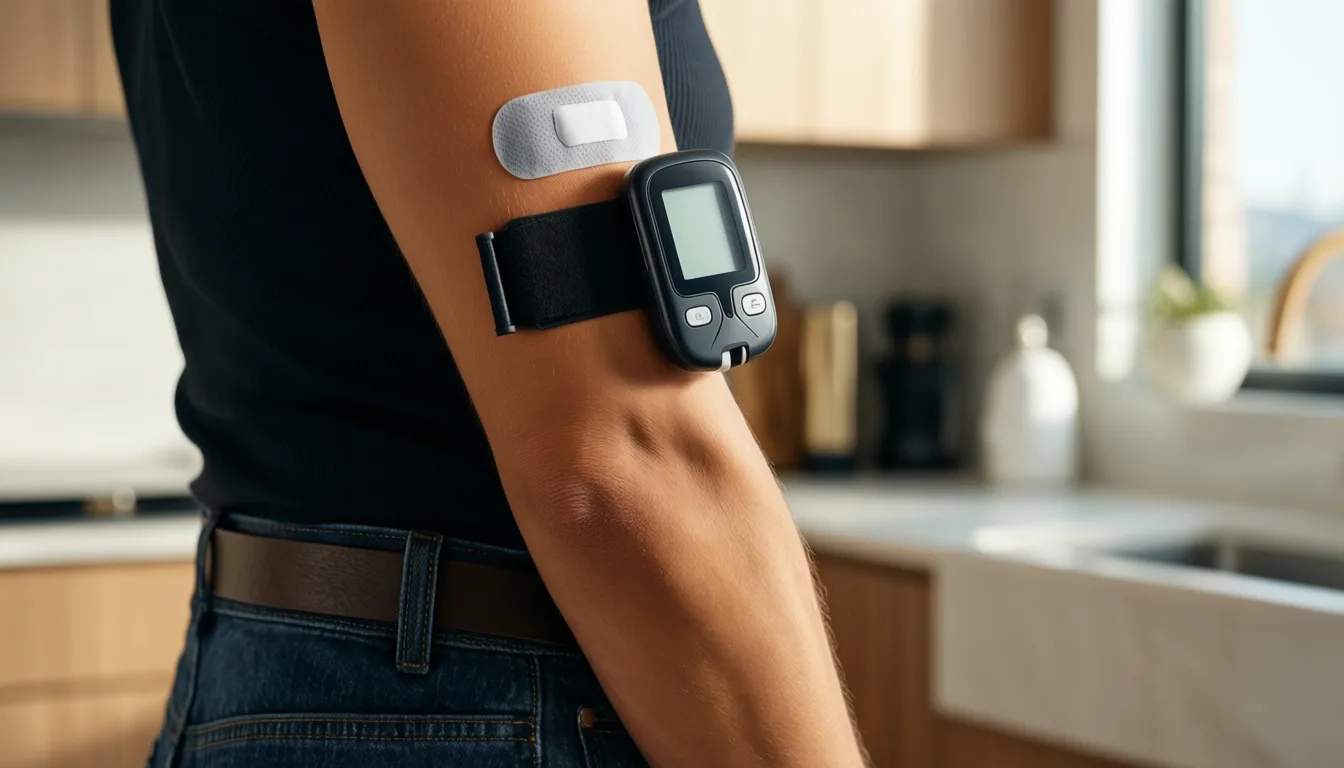
An advanced hybrid closed-loop, or AHCL, system has three parts: a continuous glucose monitor that samples interstitial glucose every few minutes, an insulin pump that delivers rapid-acting insulin under the skin, and an algorithm that sits between them. The algorithm reads the glucose trend, anticipates where it is heading, and adjusts background insulin automatically — increasing it when glucose is rising, suspending it when glucose is falling. The user still announces meals; the system handles the rest. The MiniMed 780G is one of the most widely deployed examples of this category.
In type 1 diabetes, where the pancreas produces essentially no insulin, this kind of automation is the closest thing medicine currently offers to a biological replacement. In type 2 diabetes, insulin resistance and partially preserved insulin production change the math. Whether the same algorithm would behave sensibly in that physiology was, until recently, an open question.

Closed-loop systems pair a glucose sensor with an algorithm-driven insulin pump that adjusts dosing every few minutes.
What the IMPACT2D study actually measured
The IMPACT2D study enrolled 95 adults on basal-bolus insulin therapy across 13 sites in the United States. Participants were, on average, 60 years old and had lived with type 2 diabetes for nearly 19 years — a group with established disease, not new diagnoses. After a roughly three-week run-in on their usual regimen or a basic hybrid closed-loop, they switched to the MiniMed 780G's automated mode for about 90 days.
The headline metrics moved in the right direction. Mean HbA1c — the standard three-month average of blood glucose — dropped from 7.9% to 7.2%, a clinically meaningful change for a population already on intensive insulin. Time-in-range, defined as the percentage of readings between 70 and 180 mg/dL, reached an estimated 80.9%. For context, professional guidelines typically set 70% as the target for most adults with diabetes; many insulin-using patients live well below it.
The algorithm that quietly transformed type 1 care is now being tested in a population orders of magnitude larger.
The safety picture
Tighter glucose control is only useful if it does not come at the cost of dangerous lows. The classic worry with intensified insulin therapy is severe hypoglycemia — episodes requiring outside help. The companion concerns in type 2 specifically are diabetic ketoacidosis (DKA), which is less common than in type 1 but possible, and hyperosmolar hyperglycemic state (HHS), a serious complication of very high glucose. The study reported none of these events during the closed-loop period in this cohort.
That is a reassuring signal, but it deserves to be read with the right resolution. Ninety days in 95 carefully selected, experienced insulin users at academic and specialty sites is not the same as years of real-world use across thousands of patients with varying literacy, access, and comorbidities. Rare events are, by definition, hard to detect in small samples.

Closed-loop systems still require an engaged clinician and a patient willing to engage with the data.
How to read a single-arm study
This is where the editorial caution lives. IMPACT2D is a single-arm, open-label trial: every participant received the device, and both participants and investigators knew it. That design is reasonable for an early-stage device study, but it cannot fully separate the algorithm's contribution from the effects of more attention, more sensor data, more coaching, and the simple act of being enrolled in a trial. A randomized comparison against optimized standard insulin therapy — with similar visit frequency in both arms — is the next, harder question.
The population also matters. Participants were on basal-bolus insulin, meaning they were already used to counting carbohydrates, bolusing for meals, and interpreting glucose data. Many people with type 2 diabetes who use insulin take only a basal dose, or struggle with the cognitive load of mealtime dosing. Whether the same gains translate to that broader group is genuinely unknown.
The practical takeaway
For readers who do not have diabetes, the story is a useful data point in a broader trend: algorithms that used to live in specialist clinics are migrating into wearable hardware, and the populations they serve are widening. For readers who do — or who care for someone who does — the honest message is that this is encouraging, moderate-strength evidence, not a settled standard of care. Decisions about pumps, sensors, and insulin regimens belong in a conversation with an endocrinologist or diabetes care team who knows the individual case.
The interesting frontier is no longer whether closed-loop insulin delivery works in type 1 diabetes. It is whether the same approach, tuned for a different physiology, can deliver the same kind of quiet, day-by-day improvement to the much larger group of people who happen to have ended up needing insulin for a different reason. The MiniMed 780G data is a first serious answer. It will not be the last.
Frequently asked questions
How does the MiniMed 780G closed-loop system actually work?
The system has three parts: a continuous glucose monitor that samples interstitial glucose every few minutes, an insulin pump that delivers rapid-acting insulin under the skin, and an algorithm that sits between them. The algorithm reads the glucose trend, anticipates where it is heading, and adjusts background insulin automatically — increasing it when glucose is rising and suspending it when glucose is falling. The user still announces meals; the system handles the rest.
What were the key results of the IMPACT2D study?
Mean HbA1c dropped from 7.9% to 7.2% over the roughly 90-day closed-loop period, which the article describes as a clinically meaningful change. Time-in-range — the percentage of glucose readings between 70 and 180 mg/dL — reached 80.9%, well above the 70% target that professional guidelines typically set for most adults with diabetes.
Were there any serious safety events reported in the study?
The study reported no severe hypoglycemia, diabetic ketoacidosis, or hyperosmolar hyperglycemic events during the closed-loop period. However, the article notes that 90 days in 95 carefully selected patients at academic and specialty sites is not the same as years of real-world use across thousands of patients with varying literacy, access, and comorbidities.
Why isn't this study considered definitive proof that closed-loop pumps work for type 2 diabetes?
IMPACT2D was a single-arm, open-label trial, meaning every participant received the device and both participants and investigators knew it. That design cannot fully separate the algorithm's contribution from the effects of more attention, more sensor data, more coaching, and simply being enrolled in a trial. The article identifies a randomized comparison against optimized standard insulin therapy as the next, harder question.
Does this study apply to all people with type 2 diabetes who use insulin?
Not necessarily. Participants were already on basal-bolus insulin therapy, meaning they were experienced with counting carbohydrates, bolusing for meals, and interpreting glucose data. The article notes that many people with type 2 diabetes who use insulin take only a basal dose or struggle with the cognitive load of mealtime dosing, and whether the same gains translate to that broader group is described as genuinely unknown.
Sources
- Safety and Effectiveness of MiniMed 780G Advanced Hybrid Closed-Loop Insulin Intensification in Adults with Insulin-Requiring Type 2 Diabetes. — Diabetes technology & therapeutics

Ergothioneine: The Mushroom Thiol Quietly Climbing the Healthspan Charts
A single mechanism paper gives a long-suspected 'longevity vitamin' its first credible story — in worms and aged rats. Humans are not worms.
Every few years, a molecule with an unpronounceable name gets a turn at the longevity microphone. The latest is ergothioneine — a sulfur-containing amino acid that humans can't synthesize, that fungi can, and that quietly accumulates in our tissues through a dedicated transporter we apparently went to the evolutionary trouble of keeping. Researchers have long called it a candidate "longevity vitamin." What it lacked was a story for what it actually does. A new paper in Cell Metabolism offers one — in worms and aged rats. Whether it does the same in people is, for now, a separate question.
- What's new: A 2025 Cell Metabolism study reports ergothioneine extends lifespan in C. elegans and improves endurance, muscle mass, and NAD+ in aged rats.
- The mechanism: Ergothioneine acts as a substrate for the enzyme CSE, generating H₂S that persulfidates more than 300 proteins — including one that drives NAD+ production.
- Evidence grade: Animal-preclinical. No human randomized trial has tested these endpoints.
- Dietary context: Mushrooms are by far the richest food source; the molecule is concentrated in specialty varieties more than in white button.
- Bottom line: A genuinely interesting mechanism, not a license to stock the medicine cabinet. Talk to a clinician before supplementing.
The molecule that wouldn't go away
Ergothioneine has been on the longevity watch-list for over a decade, largely on circumstantial evidence: humans express a transporter (OCTN1/SLC22A4) that seems specifically built to ferry it into cells, and tissue levels decline with age and certain chronic diseases. That is suggestive, not dispositive. A transporter tells you the body bothers; it doesn't tell you why.
The new work, led by Milos Filipovic's group and published in Cell Metabolism, attempts to answer the why. In a series of experiments spanning C. elegans and aged rats, ergothioneine extended worm lifespan, improved mobility, and reduced several age-associated biomarkers. In rats, supplementation was associated with greater exercise endurance, increased muscle mass, improved muscle vascularization, and higher NAD+ levels in muscle tissue.

The lifespan signal came first in C. elegans — a useful, but distant, proxy for human aging.
A mechanism, finally
The interesting part isn't the endpoints — plenty of compounds extend worm lifespan — it's that the authors traced a chain of causation. Ergothioneine, they report, serves as an alternative substrate for cystathionine gamma-lyase (CSE), an enzyme better known for producing hydrogen sulfide (H₂S). That H₂S then modifies cysteine residues on more than 300 proteins through a process called persulfidation — essentially a sulfur-based post-translational switch. One of those targets, cytosolic glycerol-3-phosphate dehydrogenase (cGPDH), gets activated by persulfidation and appears to account for most of the NAD+ bump observed in muscle.
The proof-of-mechanism is the part that should make even skeptical readers sit up: in animals lacking either CSE or cGPDH, ergothioneine's effects disappeared. That is the kind of causal scaffolding mechanism papers are supposed to provide, and it is largely what this one delivers.
A transporter tells you the body bothers. It doesn't tell you why.
What this is not
It is not a human trial. It is not evidence that taking an ergothioneine capsule will make you live longer, run farther, or rebuild aging muscle. The leap from C. elegans to a 45-year-old at a desk is, to put it gently, considerable; the leap from aged rats is shorter but still real. Rodent muscle physiology is informative, not predictive. NAD+ in particular has a long résumé of preclinical promise that has translated unevenly into human benefit, and the field has been burned before by extrapolating endurance gains from rodent treadmills to the human gym.
It is also worth naming what the study does not address: optimal dose, duration, bioavailability differences between food and supplement forms, long-term safety in humans, and interactions with the medications and conditions that actually populate the lives of the people most interested in "healthspan." Those are not nitpicks. They are the questions a clinician would ask before recommending anything.

Specialty mushrooms — oyster, shiitake, king trumpet, porcini — carry meaningfully more ergothioneine than common white buttons.
The food angle, which is the easy part
Here is where the story gets boringly sensible. Ergothioneine is concentrated in fungi, and humans get essentially all of theirs from the diet. Eating more mushrooms — especially the specialty varieties — is a low-risk, high-upside move whether or not the longevity claims hold up, because the rest of what mushrooms bring to a plate (fiber, B vitamins, a tidy umami substitute for some of the salt and fat in a dish) is well-established on its own merits. You do not need a mechanism paper to justify a sautéed king trumpet.
Capsules are a different conversation. The supplement industry has moved faster than the evidence, as it tends to, and ergothioneine products now sit on shelves with marketing copy that runs well ahead of what a single preclinical study can support. The mechanism is real and interesting. The human outcome data are not yet there.
What we'd want to see next
The honest answer for any preclinical finding this interesting is: a well-designed human trial. Specifically, randomized, placebo-controlled work in older adults measuring the things this paper actually moved in animals — muscle endurance, lean mass, and tissue NAD+ — with a dose rationale, a duration long enough to matter, and safety monitoring. Until that exists, ergothioneine sits in the same category as several other plausible-and-unproven aging compounds: worth watching, not worth overstating.
It is, on the merits, one of the more credible entries on that list. The transporter is real. The dietary source is benign. The mechanism is now mapped. That is a better starting position than most. It is still a starting position.
- Eat the mushrooms. The dietary case is solid on general nutrition grounds alone.
- Hold the capsules — for now. Human outcome data don't yet exist for the endpoints in this study.
- Mind the marketing. Mechanism ≠ proven benefit. The leap from rat muscle to human healthspan is not trivial.
- Ask a clinician before adding any supplement, especially if you take medication or manage a chronic condition.
Frequently asked questions
What is ergothioneine and why do researchers consider it a longevity candidate?
Ergothioneine is a sulfur-containing amino acid that humans cannot synthesize but obtain through diet, primarily from fungi. Researchers have tracked it as a longevity candidate for over a decade partly because humans express a dedicated transporter, OCTN1/SLC22A4, that appears specifically built to ferry it into cells, and tissue levels decline with age and certain chronic diseases.
What did the 2025 Cell Metabolism study actually find?
The study found that ergothioneine extended lifespan in C. elegans, improved mobility, and reduced several age-associated biomarkers. In aged rats, supplementation was associated with greater exercise endurance, increased muscle mass, improved muscle vascularization, and higher NAD+ levels in muscle tissue.
How is ergothioneine thought to produce its effects in the body?
According to the study, ergothioneine acts as an alternative substrate for the enzyme CSE, which generates hydrogen sulfide that then modifies cysteine residues on more than 300 proteins through a process called persulfidation. One of those protein targets, cGPDH, gets activated by persulfidation and appears to account for most of the NAD+ increase observed in muscle tissue.
Which mushrooms are the best dietary sources of ergothioneine?
Specialty mushrooms — oyster, shiitake, king trumpet, and porcini — carry meaningfully more ergothioneine than common white button mushrooms. Humans obtain essentially all of their ergothioneine from the diet, with fungi being the concentrated source.
Does this research mean people should start taking ergothioneine supplements?
The article cautions against that conclusion, noting that no human randomized trial has tested the endpoints measured in this study, and the research involved only worms and aged rats. The study also does not address optimal dose, duration, bioavailability differences between food and supplement forms, or long-term safety in humans, and the article recommends treating any supplement decision as a conversation with a clinician.
Sources

The Centenarian Code: What Hypothalamic NPY, Spermidine, and Rare Gene Variants Reveal About Brain Aging
A new wave of 2025 research points to specific molecular levers that distinguish the brains of healthy agers from the rest — and hints at what the rest of us might one day borrow.
For most of medical history, the brain was treated as a clock we could only watch wind down. Memory thinned, processing slowed, and the best advice on offer was to be grateful for the years. That framing is quietly eroding. A cluster of 2025 papers — one on a tiny hypothalamic peptide in mice, one on a polyamine called spermidine in fruit flies, and one on the genomes of people who live past 100 — converges on a more interesting idea: brain aging is not a single tide. It is a set of biological levers, some of which we are beginning to identify, and a few of which, in time, we may learn to move.
None of these findings are ready to walk into a doctor's office. Two are in animals; the third is statistical, drawn from the genomes of extraordinary survivors. But read together, they sketch a coherent map of what a slowly aging brain might actually look like at the molecular level — and where the most plausible interventions of the next decade will aim.
This piece is about that map. Not a protocol. Not a prescription. A map.
- NPY, a hypothalamic peptide, declines with age. Restoring it in a mouse model of premature aging delayed several aging features, including memory loss.
- Spermidine supports a translation factor called eIF5A that protects aging brain mitochondria — and in flies, it extended lifespan and preserved memory independent of protein intake.
- Centenarians carry more protective gene variants against Alzheimer's than ordinary agers, even setting aside the well-known APOE gene.
- The protection is real but modest — roughly one extra protective allele per five additional years of life in the longest-lived.
- None of this is clinical guidance yet. The relevance is conceptual: brain aging has identifiable levers, and that changes what's worth researching, and asking your clinician about.
The hypothalamus, quietly in charge
The hypothalamus is a structure about the size of an almond, tucked deep beneath the cerebral cortex. It governs body temperature, hunger, thirst, sleep cycles, and the hormonal cascades that ripple through the rest of the body. In recent years it has also emerged as a candidate conductor of whole-body aging — a region whose decline reverberates outward.
One of its signaling molecules is neuropeptide Y, or NPY, which becomes scarcer in the hypothalamus as animals age. NPY is interesting because it appears to switch on autophagy — the cell's housekeeping system for clearing damaged proteins and organelles — and because it seems to mediate some of the benefits of caloric restriction, the most reproducible longevity intervention biology has.
In a 2025 GeroScience paper, researchers asked a direct question: if NPY falls with age, what happens if you restore it? Using a mouse model of premature aging — the Zmpste24-knockout mouse, which develops a syndrome resembling progeria — they reestablished hypothalamic NPY levels and reported that aging-associated features including lipodystrophy, hair loss, and memory deficits were delayed. The authors frame NPY as a potential caloric-restriction mimetic: a way of capturing some of the benefits of eating less without eating less.
The caveats are worth saying clearly. This is a mouse study. The mouse in question is not a normally aging animal but one engineered to age prematurely. And restoring a peptide in a specific brain region of a mouse is several long steps from a therapy in a human. What the study earns is a hypothesis: that hypothalamic signaling may be a leverage point for the brain's aging trajectory, and that it deserves the next round of work.

The hypothalamus, deep beneath the cortex, is increasingly viewed as a conductor of systemic aging — not just a regulator of hunger and sleep.
Spermidine and the mitochondria of memory
Brain aging is not a single tide. It is a set of biological levers, some of which we are beginning to identify.
The second thread runs through a molecule called spermidine — a polyamine your cells already make, also found in foods such as wheat germ, aged cheese, mushrooms, and soybeans. Spermidine has drawn attention because it appears to support the function of a translation factor called eIF5A through a process called hypusination, which in turn helps maintain mitochondrial integrity in aging brains.
In a 2025 study published in Aging, researchers crossed spermidine supplementation with high- and low-protein diets in fruit flies. The choice of model matters: flies live weeks, not years, which lets scientists test dietary combinations in ways impossible in humans. They reported that effective hypusination was essential for normal lifespan on both diets, and that spermidine supplementation increased longevity, protected against age-related locomotion decline, and improved memory scores in older flies regardless of protein intake.
The deeper finding is mechanistic. Protein restriction and spermidine both improve brain mitochondrial function, but the study suggests they do so through largely distinct pathways. That matters because it implies the benefits could, in principle, stack rather than overlap — an early hint, in an invertebrate, that fasting-style interventions and polyamine biology are not the same lever wearing two hats.
Again: flies. The leap to a 60-year-old human brain is enormous. Spermidine supplements are widely sold; the human trial evidence for cognitive benefit is still thin, and dosing, safety, and population-specific effects remain open questions worth raising with a clinician rather than settling at a checkout page.

Dietary sources of spermidine include wheat germ, aged cheeses, mushrooms, and soybeans. Food-level intake is not the same as supplementation, and human trial data remain early.
What centenarians' genomes actually say
The third paper looks not at molecules to add but at people who already have something the rest of us don't. Researchers built a polygenic protective score for Alzheimer's disease — deliberately excluding the well-known APOE gene — and applied it across five cohorts of healthy agers and centenarians in the United States, Europe, and Asia.
Their finding: centenarians carry stronger genetic protection against Alzheimer's than people without familial longevity, and this protection appears to increase across centenarians, semi-supercentenarians (105–109), and supercentenarians (110+). Higher scores were also associated with better cognitive function and lower mortality.
The honest sentence in the paper is the most important one: the effect is modest. The authors estimate roughly one additional protective allele per five years of additional lifespan among the extreme-aged. This is not a hidden master gene. It is a quiet accumulation of small advantages, distributed across many positions in the genome.
That has two implications for the rest of us. First, much of what looks like luck in late-life cognitive health probably is, at least in part, written before birth. Second — and more usefully — a polygenic score robust across continents is exactly the kind of target that drug developers can build around, because it points to biology that nature has already validated.
What it adds up to — and what it doesn't
Set the three papers side by side and a shape emerges. A hypothalamic signal (NPY) that may help the brain mimic the benefits of eating less. A dietary polyamine (spermidine) that supports the machinery keeping aging neurons' mitochondria functional. And a polygenic background that, in the longest-lived among us, tilts the odds against Alzheimer's by a small but measurable amount.
What they share is a thesis: the aging brain has identifiable molecular levers, and the people who age best are, in part, the ones whose biology happens to pull on them. What they do not yet share is a clinical pathway. Two studies are in animals. The third is a statistical portrait, not a prescription. None of them tell a 58-year-old woman what to do on Monday morning.
That is not a reason to dismiss them. It is a reason to track them — and to bring them into the conversation with your own clinician rather than the supplement aisle. Ask what the human evidence actually shows for any intervention claiming to harness these pathways. Ask what your own risks and family history change about the calculus. The most useful posture toward early science is neither faith nor cynicism. It is informed patience.
- Treat the findings as a map, not a manual. They identify pathways worth watching, not regimens to adopt.
- Animal data is a hypothesis generator. Mice and flies have taught us a great deal, and misled us many times — both are true.
- Modest genetic effects matter. A small per-allele advantage, multiplied across the genome, is exactly the territory in which good drugs get built.
- Bring this to your clinician, not the supplement aisle. The right dose of any of these stories is a conversation, not a purchase.
Frequently asked questions
What is NPY and why do researchers think it matters for brain aging?
NPY, or neuropeptide Y, is a signaling molecule in the hypothalamus that becomes scarcer as animals age. It appears to switch on autophagy — the cell's system for clearing damaged proteins and organelles — and may mediate some of the benefits of caloric restriction. In a mouse model of premature aging, restoring hypothalamic NPY levels delayed aging features including memory deficits.
What foods naturally contain spermidine?
According to the article, dietary sources of spermidine include wheat germ, aged cheese, mushrooms, and soybeans. The article notes that food-level intake is not the same as supplementation, and that human trial evidence for cognitive benefit from spermidine remains thin.
How does spermidine relate to brain mitochondria?
Spermidine supports a translation factor called eIF5A through a process called hypusination, which in turn helps maintain mitochondrial integrity in aging brains. In fruit fly research, effective hypusination was described as essential for normal lifespan, and spermidine supplementation improved memory scores in older flies regardless of their protein intake.
What did the centenarian genome study find about Alzheimer's protection?
Researchers found that centenarians carry stronger genetic protection against Alzheimer's disease than people without familial longevity, with protection increasing across centenarians, semi-supercentenarians (105–109), and supercentenarians (110+). The authors describe the effect as modest, estimating roughly one additional protective allele per five years of additional lifespan among the extreme-aged.
Do protein restriction and spermidine work through the same biological pathway?
The article reports that the fruit fly study suggests they do not — protein restriction and spermidine both improve brain mitochondrial function, but apparently through largely distinct pathways. The article describes this as an early hint that their benefits could in principle stack rather than overlap, while stressing that the leap from flies to humans is enormous.
Sources
- Restoring neuropetide Y levels in the hypothalamus ameliorates premature aging phenotype in mice. — GeroScience
- Spermidine supplementation and protein restriction protect from organismal and brain aging independently. — Aging
- Increased genetic protection against Alzheimer's disease in centenarians. — GeroScience