In This Issue
Metabolic Health
-
 Beyond Appetite: How GLP-1 Drugs Are Quietly Rewiring the Brain, Kidney, and Gut
The shots that started as diabetes drugs and exploded as weight-loss icons are turning out to do a lot more than mute hunger. New research traces their fingerprints across the hindbrain, the kidney's salt switches, and the hormone that tells you it's lunchtime.
Beyond Appetite: How GLP-1 Drugs Are Quietly Rewiring the Brain, Kidney, and Gut
The shots that started as diabetes drugs and exploded as weight-loss icons are turning out to do a lot more than mute hunger. New research traces their fingerprints across the hindbrain, the kidney's salt switches, and the hormone that tells you it's lunchtime.
-
 Beyond Weight Loss: Why GLP-1 Drugs Are Becoming Cardio-Metabolic Workhorses
Semaglutide and tirzepatide started as obesity treatments. A wave of moderate-quality evidence is pushing them toward something bigger — and asking new questions about inflammation, the heart, and even cancer.
Beyond Weight Loss: Why GLP-1 Drugs Are Becoming Cardio-Metabolic Workhorses
Semaglutide and tirzepatide started as obesity treatments. A wave of moderate-quality evidence is pushing them toward something bigger — and asking new questions about inflammation, the heart, and even cancer.

Beyond Appetite: How GLP-1 Drugs Are Quietly Rewiring the Brain, Kidney, and Gut
The shots that started as diabetes drugs and exploded as weight-loss icons are turning out to do a lot more than mute hunger. New research traces their fingerprints across the hindbrain, the kidney's salt switches, and the hormone that tells you it's lunchtime.
For a class of drugs we keep calling appetite suppressants, GLP-1 medications are turning out to have a surprisingly busy after-hours schedule. Yes, they quiet hunger — that part you already know from every headline, every before-and-after, every dinner-party debate. But the more researchers look, the more they find these molecules doing other jobs entirely: nudging neurons in the brainstem, tweaking how the kidneys handle salt, and shifting the hormone that tells you it's almost time to eat. None of this means the drugs are a panacea. It does mean the story is bigger — and weirder — than the marketing.
If you're a woman in your forties, you've probably noticed that the metabolic rules you grew up with stopped working somewhere around the time your sleep did. Perimenopause has a way of rearranging the furniture: weight that won't budge, blood sugar that wobbles, blood pressure creeping up, a body that suddenly seems to negotiate with food differently than it used to. That's the context most of us are reading GLP-1 news in. So let's actually read it — carefully — instead of just reacting to the latest viral post.
The class started with semaglutide (Ozempic, Wegovy), and the newer entrant tirzepatide (Mounjaro, Zepbound) adds a second receptor — GIP — to the mix. The newest research we're going to walk through is a mix of human real-world data and animal mechanism studies, which is important to flag up front: some of this is what we're seeing in patients, and some is what we think is happening under the hood, based on rats and cells. Both matter. They're not the same.
What the real-world data actually shows
Start with the human evidence, because that's what we have the most of. A 2025 observational study tracked more than 2,200 commercially insured U.S. adults with type 2 diabetes who started tirzepatide and stuck with it for six months. The cohort was mostly women, average age 54 — which is to say, squarely in our demographic. At follow-up, 69% had pulled their A1c under 7%, the standard glycemic target. Average weight loss was 6.3 kg overall, and 8.1 kg in people who hadn't previously been on a GLP-1 drug.
Those are meaningful numbers, but read them with the right squint. This was a single-cohort, pre-post study — no comparison group, no randomization, and people who fill prescriptions for six months are, almost by definition, the people the drug is working for. So treat this as a useful signal that the trial results survive contact with real life, not as proof of a population-level miracle.
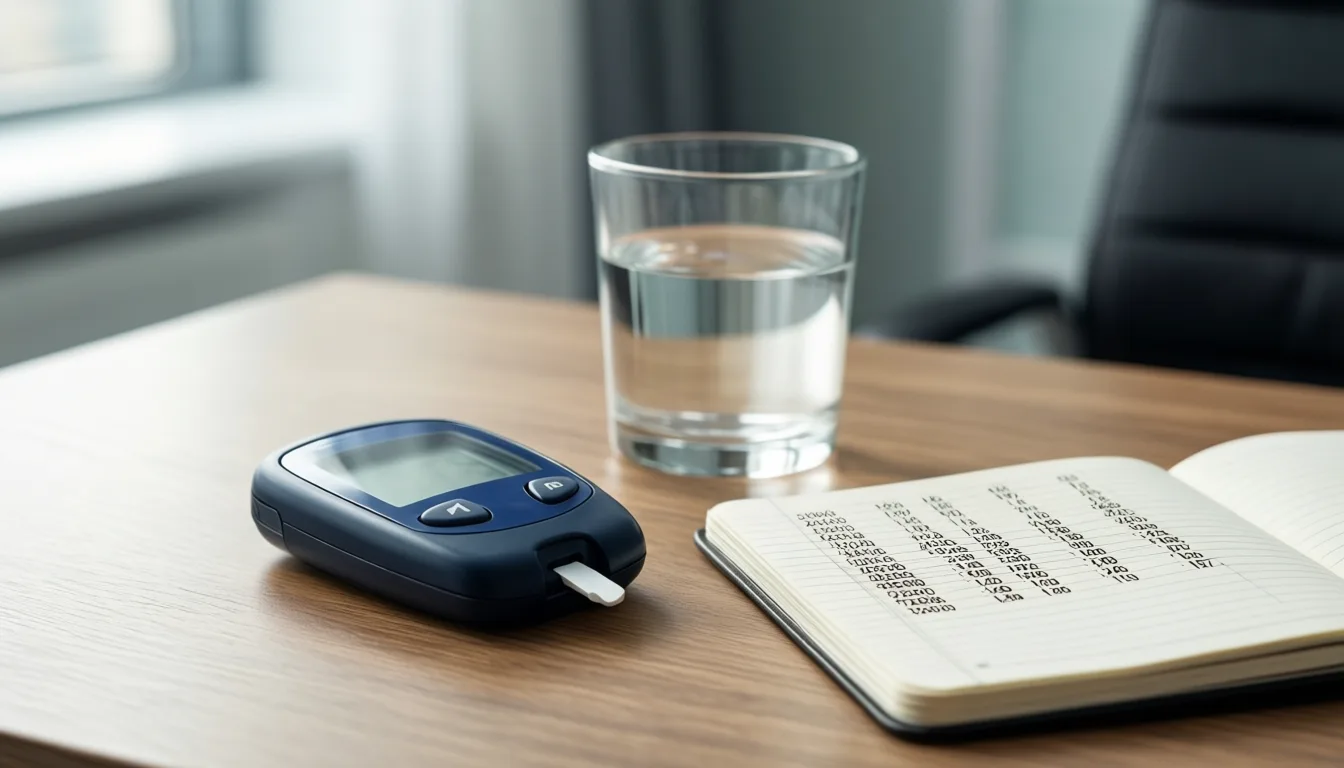
Real-world data on tirzepatide tracks closely with the trial results, but a single-cohort study can't tell us how the average person — not the average persistent user — fares.
The brainstem plot twist
Here's where it gets genuinely interesting. We've long assumed GLP-1 drugs suppress appetite mostly by slowing the stomach and tickling reward circuits in the forebrain. But a 2025 electrophysiology study in rodents identified a new player: a population of orexigenic — appetite-driving — NPY neurons in the nucleus tractus solitarius, deep in the hindbrain. When researchers exposed brain slices to exendin-4 (a GLP-1 receptor agonist), those hunger-promoting neurons went quiet, silenced indirectly through GABA-b receptors. Switch them back on artificially, and the appetite-suppressing effect of the drug largely disappeared.
In plain English: there's a specific set of "eat now" neurons in the brainstem, and GLP-1 drugs appear to mute them. This is mechanism, not therapy — it's rat work, and we shouldn't extrapolate to dosing or outcomes in humans. But it helps explain something women on these drugs describe constantly: not just smaller appetite, but a quieter food noise. The chatter dims.
Women on these drugs describe not just smaller appetite, but a quieter food noise. The chatter dims.
The kidney angle nobody's talking about
If you have type 2 diabetes — or a family history of it — the kidney conversation matters. Diabetic kidney disease is one of the leading drivers of dialysis worldwide, and salt sensitivity is part of why. A 2025 rat and cell study found that adding a DPP-4 inhibitor (linagliptin, which raises endogenous GLP-1) to an SGLT2 inhibitor (empagliflozin) increased urinary sodium excretion and tamped down ENaC, an epithelial sodium channel that, when overactive, makes the kidney hoard salt. The effect was blocked when researchers shut down the GLP-1 receptor, pointing to GLP-1 itself as the lever. In a small clinical comparison embedded in the same paper, patients on both drug classes showed more sodium in the urine and less ENaC expression than those on neither.
Translation: GLP-1 signaling may be quietly helping the kidney shed salt — a plausible part of why these drug combinations seem to protect kidney function beyond what blood sugar control alone would predict. Again, the heavy lifting here is animal and tissue work. It's not a green light to mix and match medications; it's a hypothesis that fits a pattern clinicians have been seeing.

Salt handling is one of the unsung ways the kidney drives blood pressure and protects itself. GLP-1 signaling may be a subtle player in that machinery.
Ghrelin, adrenaline, and the hormone that says "eat"
The fourth thread is about ghrelin — the hormone that rises before meals and signals hunger. We already knew GLP-1 lowers ghrelin in humans, and that exendin-4 powerfully suppresses it in rodents. New rat work adds a wrinkle: beta-adrenergic activation (the stress-and-adrenaline system) sharply raises ghrelin independently of blood glucose, through both β1 and β2 receptors. That's a clue about why stress can drive hunger in ways that have nothing to do with willpower — and a reminder that the appetite system is a multi-hormone conversation, not a single switch.
For readers juggling perimenopause, chronic stress, and a body that suddenly seems to keep score differently: that's not nothing. It's a mechanistic hint that how you live — sleep, stress load, the cortisol-adrenaline axis — is talking to the same hormones a drug might modulate. Lifestyle isn't a competitor to pharmacology here; it's the same conversation, in a different accent.
- Real-world tirzepatide data looks like the trials — meaningful A1c and weight reductions at 6 months, but in patients who stayed on the drug.
- GLP-1 drugs silence specific "eat now" neurons in the hindbrain, at least in rodent brain slices — a possible mechanism behind the "food noise" reports.
- The kidney may be a quiet beneficiary, with GLP-1 signaling helping shed sodium via the ENaC channel in animal and small human data.
- Ghrelin is shaped by stress hormones, not just food and glucose — your nervous system is part of your appetite system.
- Mechanism is not prescription. Most of this is preclinical. Treatment decisions belong with a clinician.
The honest summary: GLP-1 and dual GIP/GLP-1 drugs are looking less like appetite suppressants and more like broad metabolic modulators that touch the brain, the kidney, and the gut-hormone axis at once. That's exciting — and it's also exactly the kind of broad activity that demands humility. Drugs that do many things tend to have many trade-offs, and we're still learning what the long arc of these therapies looks like in people who aren't in trials.
For now, the useful posture is curious skepticism. The science is moving fast. The marketing is moving faster. Read the studies — or, fine, read us reading the studies — and bring the questions, not the conclusions, to your next appointment.
Frequently asked questions
How does tirzepatide differ from semaglutide?
Tirzepatide adds a second receptor — GIP — to the mix, whereas semaglutide acts on the GLP-1 receptor alone. Both belong to the same drug class, but tirzepatide's dual-receptor action is what distinguishes newer entrants like Mounjaro and Zepbound from Ozempic and Wegovy.
What did the real-world tirzepatide study find, and how reliable is it?
The 2025 observational study of more than 2,200 U.S. adults with type 2 diabetes found that 69% reached an A1c under 7% after six months, with average weight loss of 6.3 kg overall and 8.1 kg in people who had never previously taken a GLP-1 drug. However, because it was a single-cohort study with no comparison group and no randomization, it reflects outcomes among persistent users — people the drug was already working for — rather than the average person who starts the medication.
Why do people on GLP-1 drugs describe a quieting of 'food noise' rather than just feeling less hungry?
Research in rodents identified a specific population of appetite-driving NPY neurons in the brainstem's nucleus tractus solitarius that GLP-1 drugs appear to silence indirectly through GABA-b receptors. When those neurons were artificially reactivated, the appetite-suppressing effect of the drug largely disappeared, suggesting the drugs are muting a distinct 'eat now' signal deep in the hindbrain, not just reducing stomach signals.
What does stress have to do with hunger, according to the article?
Animal research cited in the article found that beta-adrenergic activation — the stress-and-adrenaline system — sharply raises ghrelin, the hormone that signals hunger, independently of blood glucose levels and through both β1 and β2 receptors. This offers a mechanistic explanation for why stress can drive hunger in ways unrelated to willpower, and it suggests the appetite system involves multiple hormones rather than a single switch.
How might GLP-1 drugs affect kidney function beyond blood sugar control?
A 2025 study in rats and cells found that GLP-1 signaling appeared to increase urinary sodium excretion and reduce activity of ENaC, a sodium channel that when overactive causes the kidney to retain salt. The researchers confirmed GLP-1 itself was the lever by showing the effect disappeared when the GLP-1 receptor was blocked, offering a plausible explanation for why drug combinations involving GLP-1 activity seem to protect kidney function beyond what glycemic control alone would predict.
Sources
- Association of tirzepatide with glycaemic control and weight loss in a real world cohort of patients with type 2 diabetes from the United States. — Diabetes, obesity & metabolism
- GLP-1 receptor agonist exendin-4 suppresses food intake by inhibiting hindbrain orexigenic NPY neurons. — American journal of physiology. Endocrinology and metabolism
- Glucagon like peptide-1 modulates urinary sodium excretion in diabetic kidney disease via ENaC activation. — Scientific reports
- Elevation of ghrelin by B-adrenergic activation is independent of glucose variations and feeding regimen in the rat. — Endocrine

Beyond Weight Loss: Why GLP-1 Drugs Are Becoming Cardio-Metabolic Workhorses
Semaglutide and tirzepatide started as obesity treatments. A wave of moderate-quality evidence is pushing them toward something bigger — and asking new questions about inflammation, the heart, and even cancer.
For a class of drugs that arrived in the public imagination as weight-loss shortcuts, GLP-1 receptor agonists are having a quietly serious year. Semaglutide and its dual GIP/GLP-1 cousin tirzepatide are accumulating signals — in the heart, the blood vessels, and even, in early lab work, in tumors — that have specialists redrawing the map of what these molecules might be for. The trend is real. The hype is also real. Sorting one from the other matters, because the difference between a promising signal and a settled indication is where readers can get hurt.
The original story was simple: mimic a gut hormone, blunt appetite, lose weight. That story is no longer enough. Over the past two years, regulators and major trials have begun crediting GLP-1 drugs with effects that go beyond the scale — fewer cardiovascular events in people with obesity and established heart disease, symptom improvement in a stubborn form of heart failure called HFpEF, and tantalizing early-stage findings in metabolic-adjacent conditions like sleep apnea and chronic kidney disease.
The reframe matters because cardio-metabolic disease is not really a collection of separate problems. Obesity, type 2 diabetes, hypertension, fatty liver, atherosclerosis and heart failure share machinery: insulin resistance, visceral fat, endothelial stress and — increasingly — chronic, low-grade inflammation. Anything that meaningfully moves several of those levers at once is going to look, from a distance, like a category-defining drug.
The heart signal, in plain language
The clearest extension beyond weight loss is cardiovascular. In adults with overweight or obesity and existing heart disease, semaglutide trials have reported reductions in major adverse cardiovascular events — the composite of heart attack, stroke and cardiovascular death that cardiologists treat as the real scoreboard. Separately, in heart failure with preserved ejection fraction (HFpEF) — a form of heart failure tightly linked to obesity and notoriously hard to treat — semaglutide improved symptoms, exercise capacity and quality of life in participants who were also losing weight.
Two caveats are worth holding onto. First, many of these participants lost a great deal of weight, and untangling "the drug helped the heart directly" from "the drug helped the patient lose weight, which helped the heart" is genuinely hard. Second, benefits documented in people with obesity and established disease don't automatically transfer to leaner people, or to people taking the drug purely cosmetically. The evidence base is expanding fast, but it's still a moderate-strength picture, not a closed case.
The category started in diabetes, expanded into obesity, and is now being tested across a much wider cardio-metabolic map.
The difference between a promising signal and a settled indication is where readers can get hurt.
Why inflammation keeps showing up
One reason a metabolic drug can plausibly influence the heart, the kidneys and possibly tumor biology is that the connective tissue between those organs is inflammation. Aging-associated chronic, sterile inflammation — sometimes called inflammaging — is increasingly viewed as a shared driver of cardiovascular disease, metabolic dysfunction, neurodegeneration and certain cancers. Recent work on the pro-inflammatory, pro-fibrotic cytokine IL-11, for example, has positioned it as a regulatory hub of inflammaging in mice, with genetic and pharmacological blockade improving healthspan and lifespan in preclinical models — a useful reminder that turning down chronic inflammation tends to move many dials at once.
GLP-1 receptor agonists aren't anti-inflammatory drugs in the traditional sense, but they reduce visceral fat, improve glycemic control and modulate signals that feed into vascular inflammation. That biology helps explain why the cardiovascular benefit observed in trials is bigger than weight loss alone would predict — though "helps explain" is not the same as "is proven to cause." The mechanistic story is still being written.
The cancer headlines, decoded
You may have seen headlines hinting that GLP-1 drugs could shrink tumors. Slow down. The current cancer-adjacent signal for tirzepatide comes from preclinical work — animal and laboratory models, not randomized trials in humans. Preclinical signals are how science begins, not how prescribing decisions get made. Many drugs that look promising in a dish or a mouse never replicate in people, and the ones that do can take a decade to prove it.
The honest read: there is a biologically reasonable hypothesis that improving metabolic health and reducing chronic inflammation might lower the risk or progression of some obesity-associated cancers. There is not — yet — human evidence that any GLP-1 drug should be used as a cancer therapy. Anyone who tells you otherwise is selling something.

Even where GLP-1 drugs help, the underlying levers — nutrition, sleep, movement — still do most of the work over a lifetime.
What this means if you (or someone you love) are taking one
For people prescribed semaglutide or tirzepatide for diabetes, obesity or — increasingly — cardiovascular risk reduction, the expanding evidence is genuinely good news: the drug they are already taking may be doing more useful work than the prescription label suggests. That doesn't mean dose-stacking, off-label experimentation, or treating these medications as longevity supplements. Side effects are real, long-term data in healthier populations is thin, and discontinuation often reverses the weight benefit.
It also doesn't mean the lifestyle conversation is over. Sleep, resistance training, fiber, protein adequacy and stress regulation remain the unsexy backbone of cardio-metabolic health, and they appear to make GLP-1 therapy work better, not worse. The drugs are a tool — an increasingly impressive one — not a replacement for the rest of the system.
- The category is expanding. GLP-1 and dual GIP/GLP-1 drugs now have human evidence beyond weight loss, including cardiovascular event reduction and symptom improvement in HFpEF.
- Inflammation is the connective tissue. Cardio-metabolic disease, aging and some cancers share a chronic inflammatory substrate, which may help explain the broad effects.
- Cancer claims are preclinical. Tumor-related findings for tirzepatide are lab and animal work — not a human indication.
- Benefit ≠ universal benefit. Cardiovascular results come from people with obesity and established disease; they don't automatically extend to leaner users.
- Lifestyle still matters. Sleep, training, nutrition and stress regulation appear to compound, not compete with, drug effects.
- Talk to a clinician. Starting, stopping or changing these medications is a medical decision, not a lifestyle one.
The honest summary of where we are: GLP-1 receptor agonists are evolving from weight-loss drugs into a broader cardio-metabolic class, with the strongest current evidence in cardiovascular event reduction and HFpEF symptoms among people with obesity. The mechanistic story — including a likely contribution from reduced chronic inflammation — is plausible and getting clearer. The cancer story is early. The lifestyle story hasn't changed. And the right next step, for anyone weighing whether these drugs belong in their own life, is still a conversation with a clinician who knows their history — not a headline, and not a magazine article.
Frequently asked questions
What cardiovascular benefits have GLP-1 drugs shown beyond weight loss?
In adults with overweight or obesity and existing heart disease, semaglutide trials have reported reductions in major adverse cardiovascular events — the composite of heart attack, stroke, and cardiovascular death. Separately, in heart failure with preserved ejection fraction (HFpEF), semaglutide improved symptoms, exercise capacity, and quality of life in trial participants.
Do the cardiovascular benefits of GLP-1 drugs apply to everyone taking them?
No. The article notes that benefits documented in people with obesity and established heart disease do not automatically transfer to leaner people or to those taking the drug purely for cosmetic reasons. The evidence base is described as a moderate-strength picture, not a closed case.
Is there evidence that GLP-1 drugs can treat or prevent cancer?
Not in humans. The cancer-adjacent signal for tirzepatide comes from preclinical work — animal and laboratory models only — and the article explicitly states there is no human evidence that any GLP-1 drug should be used as a cancer therapy. Preclinical signals are how science begins, not how prescribing decisions get made.
Why might a drug designed for metabolism affect so many different organs?
The article points to chronic, low-grade inflammation as a shared driver connecting cardiovascular disease, metabolic dysfunction, and other conditions. GLP-1 drugs reduce visceral fat, improve glycemic control, and modulate signals that feed into vascular inflammation, which may help explain why their benefits appear broader than weight loss alone would predict.
Do lifestyle habits still matter for people taking semaglutide or tirzepatide?
Yes. The article states that sleep, resistance training, fiber, protein adequacy, and stress regulation remain the backbone of cardio-metabolic health and appear to make GLP-1 therapy work better, not worse. It also notes that discontinuing these medications often reverses the weight benefit.
Sources

GLP-1 Drugs and Alcohol: A Small Trial Hints at a Delayed Drinking Effect
A secondary analysis of a placebo-controlled trial in patients with alcohol use disorder and obesity found exenatide lowered a blood marker of drinking — but only after months, not weeks.
The internet would like you to believe that the same class of drugs shrinking waistlines is also quietly switching off the desire to drink. Patients tell their doctors they have lost interest in wine. Headlines borrow the verb cure. Somewhere in the middle of that noise sits a much smaller, more careful story: a placebo-controlled randomized trial in patients with alcohol use disorder and obesity, re-analyzed with a blood biomarker, that suggests GLP-1 receptor agonism does reduce drinking — but not quickly, and not in everyone, and not by as much as the cultural conversation implies.
The drug in question is exenatide, an older GLP-1 receptor agonist in the same pharmacological family as semaglutide (Ozempic, Wegovy) and tirzepatide (Mounjaro, Zepbound). The trial enrolled thirty adults with diagnosed alcohol use disorder (AUD) and a body mass index of at least 30 kg/m². Investigators drew blood at baseline and at weeks 4, 12, 20, and 26, and measured phosphatidylethanol — known by its abbreviation PEth — a phospholipid that forms in red blood cells only in the presence of ethanol and that has become one of the more objective ways to track sustained drinking. Self-report is famously unreliable in this population; PEth is harder to talk your way around.
In a secondary analysis published in Alcohol, Clinical & Experimental Research, the authors report that PEth levels were significantly lower in the exenatide group than the placebo group at week 26, with a between-group difference of roughly −0.9 μmol/L (95% CI −1.6 to −0.1; p = 0.03). At every earlier sampling point — weeks 4, 12, and 20 — the gap was not statistically significant. The drinking-reduction signal, in other words, took about six months to surface in the blood.
Why the delay matters
Most of the public conversation about GLP-1 drugs and alcohol is built on anecdote: people describe their cravings vanishing within weeks of starting injections. The biomarker data tell a slower story. In this trial, the difference between exenatide and placebo did not reach statistical significance until the final measurement, suggesting that whatever the mechanism — central reward signaling, gut–brain feedback, appetite circuitry that overlaps with reward — it may need time to translate into a measurable change in how much alcohol actually ends up in the bloodstream. A short trial, or a short personal experiment, could easily miss it.
The delay also reframes how to read the early enthusiasm. If the effect is real but slow, then the patients posting four-week testimonials are describing something other than what the trial captured. That something might be appetite-mediated, expectation-driven, or simply the early phase of a real pharmacological effect that takes months to consolidate. The honest answer, on this evidence, is that we cannot yet tell them apart.
Phosphatidylethanol, measured from blood, forms only in the presence of ethanol — a harder endpoint than self-report.
What the trial cannot tell us
Thirty patients is a small sample, and this was a secondary analysis — meaning the PEth question was layered onto a trial designed primarily around other outcomes. A single significant timepoint at the end of a six-month curve is a signal worth taking seriously, but it is not the kind of finding that closes a question. The cohort was specifically AUD patients with comorbid obesity; whether the same delayed reduction would appear in heavy drinkers of normal weight, or in people without a formal AUD diagnosis, is unknown. The drug tested was exenatide, not semaglutide or tirzepatide, and pharmacological cousins do not always behave identically in the brain.
The authors themselves frame the result as warranting further investigation, and note that a follow-up trial (NCT05895643) is already underway. That is the appropriate register. The published analysis establishes a plausible, biomarker-anchored signal in a defined population — not a green light for off-label prescribing or DIY experimentation.
The drinking-reduction signal took about six months to surface in the blood — long after the cultural conversation said it should.
How to read this if you are a reader, not a researcher
For anyone watching this space because they hope a weekly injection might finally make a dent in a drinking problem, two things can be true at once. The biology is interesting, and the human evidence is genuinely early. A thirty-person secondary analysis, even a well-conducted one with an objective biomarker, does not establish GLP-1 receptor agonists as a treatment for alcohol use disorder. It establishes a hypothesis worth testing in larger, purpose-built trials — which is exactly what the field is now doing.
The practical translation is unglamorous. Anyone considering a GLP-1 drug for weight or metabolic reasons should have that conversation with a clinician on its own terms. Anyone considering one specifically to drink less should know that the best controlled evidence to date is a single small trial, a single significant timepoint, and a delay of roughly six months before the effect showed up. That is a moderate signal, not a settled answer.

- One small RCT, secondary analysis. Thirty AUD patients with obesity; PEth was a secondary, biomarker-based endpoint.
- The effect was delayed. Exenatide and placebo did not differ significantly on PEth at weeks 4, 12, or 20 — only at week 26.
- The size of the effect was modest. A −0.9 μmol/L between-group difference in PEth at week 26 (p = 0.03).
- Generalization is limited. Findings apply to AUD with comorbid obesity and to exenatide, not necessarily to semaglutide, tirzepatide, or non-AUD drinkers.
- Larger trials are underway. The authors flag a follow-up study (NCT05895643); treat current evidence as hypothesis-generating.
- Not a prescribing guide. Decisions about GLP-1 drugs — for weight, metabolism, or drinking — belong in a conversation with a clinician.
Frequently asked questions
Which GLP-1 drug was actually tested in this trial, and is it the same as Ozempic?
The drug tested was exenatide, an older GLP-1 receptor agonist in the same pharmacological family as semaglutide (Ozempic, Wegovy) and tirzepatide (Mounjaro, Zepbound). However, the article notes that pharmacological cousins do not always behave identically in the brain, so findings from exenatide cannot be assumed to apply directly to those newer drugs.
Why did researchers measure a blood biomarker instead of just asking participants how much they drank?
The researchers used phosphatidylethanol (PEth), a phospholipid that forms in red blood cell membranes only when ethanol is present, because self-report is famously unreliable in this population. Because red blood cells live for weeks, PEth reflects sustained drinking over roughly the prior two to four weeks rather than a single night out, making it harder for participants to underreport their consumption.
How quickly did the reduction in drinking show up, and why does the timing matter?
The difference between the exenatide and placebo groups did not reach statistical significance until week 26 — the final measurement — and was not significant at weeks 4, 12, or 20. The article notes this matters because much of the public conversation about GLP-1 drugs and alcohol is built on anecdotes of cravings vanishing within weeks, which is a different timeline than what the biomarker data captured.
Does this trial prove GLP-1 drugs can treat alcohol use disorder?
No. The article describes this as a thirty-person secondary analysis — meaning the PEth question was layered onto a trial designed primarily around other outcomes — and states it establishes a hypothesis worth testing in larger, purpose-built trials rather than a settled answer. The authors themselves frame the result as warranting further investigation.
Do these findings apply to heavy drinkers who don't have a formal alcohol use disorder diagnosis?
The article states the cohort was specifically patients with diagnosed alcohol use disorder and comorbid obesity, and that whether the same delayed reduction would appear in heavy drinkers of normal weight or in people without a formal AUD diagnosis is unknown. The article explicitly flags generalization as limited.
Sources
- Blood phosphatidylethanol measurements indicate GLP-1 receptor stimulation causes delayed decreases in alcohol consumption. — Alcohol, clinical & experimental research