In This Issue




Train the Body, Save the Mind: New Trials Lock In Fitness as Cognitive Medicine
Baseline IGNITE data tie cardiorespiratory fitness to sharper thinking in older adults — and three new trials are testing whether lifting, finger drills and rural exercise programs can turn that link into real cognitive gains.
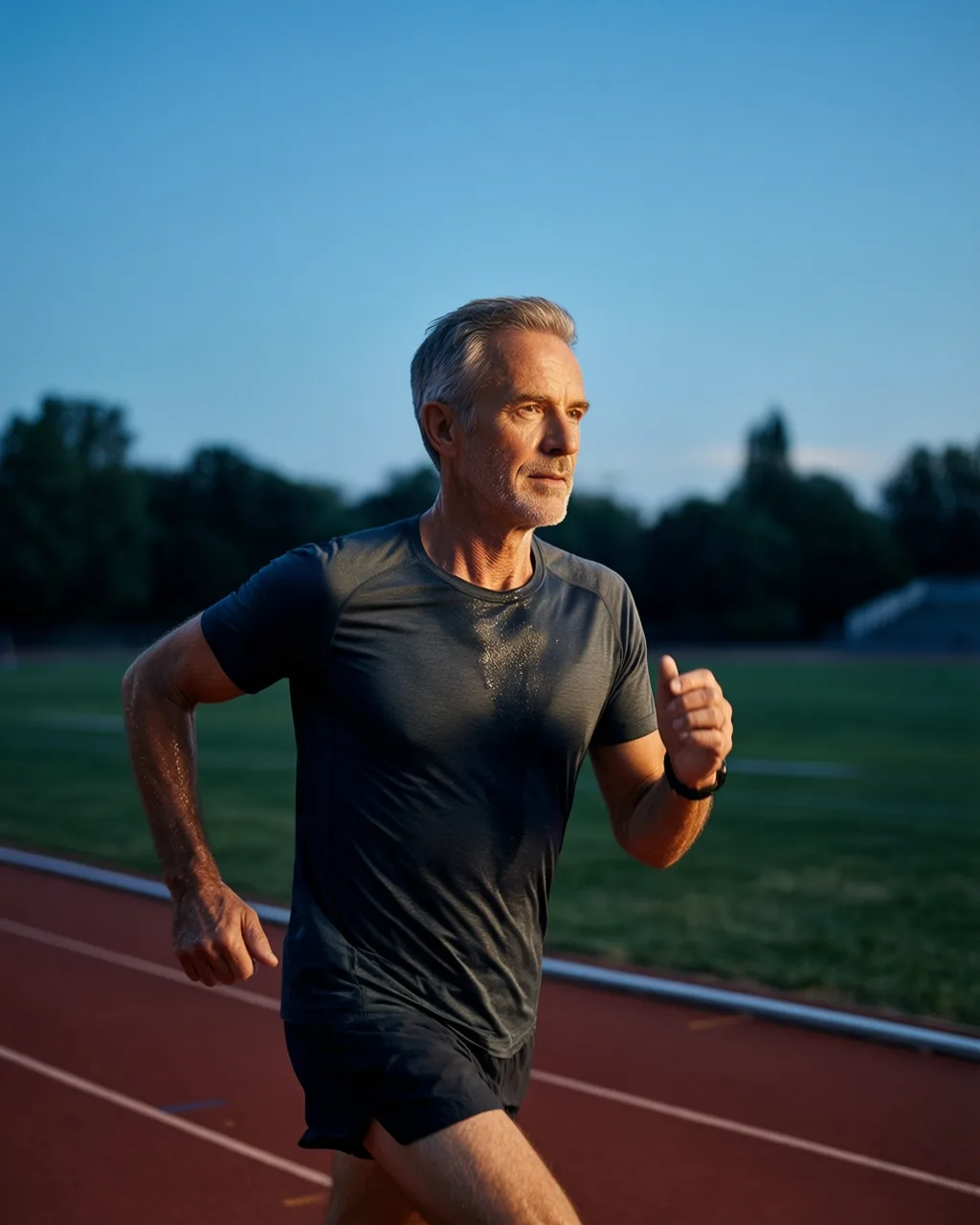
The looksmaxing conversation has always circled the visible scaffolding — jawline, posture, skin, the V-taper. But the most premium upgrade you can chase in your sixties and beyond isn't on your face; it's behind it. A wave of new research is pushing exercise out of the wellness aisle and into a category that feels closer to medicine: a structured intervention with measurable returns on memory, processing speed and the kind of sharp executive control that keeps a life — and a presence — feeling young.
The case starts with IGNITE, a large observational study whose baseline analysis was published in the British Journal of Sports Medicine. Researchers measured cardiorespiratory fitness (CRF) directly — a graded treadmill test, not a self-report — in 648 older adults averaging nearly 70 years old, then ran a comprehensive neuropsychological battery and modelled five cognitive domains: episodic memory, processing speed, working memory, executive function and visuospatial ability. Higher CRF was associated with better performance across all five domains, even after controlling for the usual demographic suspects.
Two details from that paper deserve to be underlined. First, age and APOE4 status — the gene variant that raises Alzheimer's risk — didn't blunt the relationship, suggesting the fitness–cognition link held across people often written off as genetically fated. Second, the association was stronger in women, in people with fewer years of formal education, and in those taking beta-blockers, particularly for processing speed. That last group is interesting because beta-blockers blunt the heart-rate response to exercise; the fact that the cognitive correlation persisted there hints that what fitness does for the brain isn't reducible to one tidy mechanism.
Why this is only moderate evidence — and still worth acting on
IGNITE's baseline analysis is cross-sectional. It tells us that fitter older adults score better on cognitive tests at a single point in time; it cannot, on its own, prove that pushing your VO₂max up will pull your memory along with it. That's the gap a cluster of registered trials is now trying to close — and the reason this story is rated moderate rather than settled.
At Western University, a 26-week randomised trial is testing whether creatine supplementation and resistance training, alone and together, can move the needle on cognition, brain health and physical function in older adults with mild cognitive impairment. The 2×2 design — creatine or placebo crossed with weightlifting or a balance-and-tone control — is exactly what the field has been missing. Prior work has suggested resistance training helps the aging brain and that creatine, which naturally declines with age, supports muscle and bone. Whether the two stack in people whose cognition is already slipping is the open question.

Resistance training is moving from longevity adjunct to cognitive intervention in registered trials.
A second trial, at Eastern Mediterranean University, is asking a more granular question: does how you move your hands matter? Finger movements activate a surprisingly large patch of cortex — sensorimotor strips, the supplementary motor area, Broca's, premotor and prefrontal regions — and asymmetrical, simultaneous two-hand movements have been shown to lift cognitive processes and cerebral blood flow more than one-handed work. The study compares bimanual drills, finger exercises and VR-mediated versions head-to-head in people with mild cognitive impairment. If a VR rig can deliver the same cortical activation as a clinician-led session, the implications for home practice — and for adherence — are obvious.
The third piece sits at the public-health end of the spectrum. Most exercise research has been done in urban, well-resourced cohorts. A trial out of the Universidad de Zaragoza is randomising 240 adults over 65 in rural areas to a 12-week, three-times-weekly multicomponent exercise program, followed by nine months of video-assisted sessions, with frailty, mental health and physical function as primary outcomes. It's the kind of pragmatic design that tells you whether a protocol survives contact with real lives, not just lab calendars.
The most premium upgrade you can chase in your sixties isn't on your face; it's behind it.
What a looksmaxer should actually take from this
The optimization-minded reader will already see the shape of the protocol. Cardiorespiratory fitness — the variable IGNITE measured — is built by sustained, structured aerobic work: zone-two volume, with intervals layered in. Resistance training, the lever being tested at Western, is what protects muscle mass, bone density and the metabolic environment your brain marinates in. The bimanual and VR work suggests that complex movement — coordination, novelty, asymmetry — may add something that pure cardio and pure lifting don't. And the rural-frailty trial is a reminder that consistency, delivered through whatever channel actually works for your life, is the variable that does most of the labour.
None of this is a prescription. The trials above are running; their endpoints aren't in. What the current evidence supports is a directional bet: a body kept fit across aerobic, strength and coordination domains appears to come with a sharper brain, and the mechanism is plausible enough that intervention trials are being funded to test it. That's the right register for this story — not a miracle, not a hedge, but a serious lead worth building habits around while the data mature.
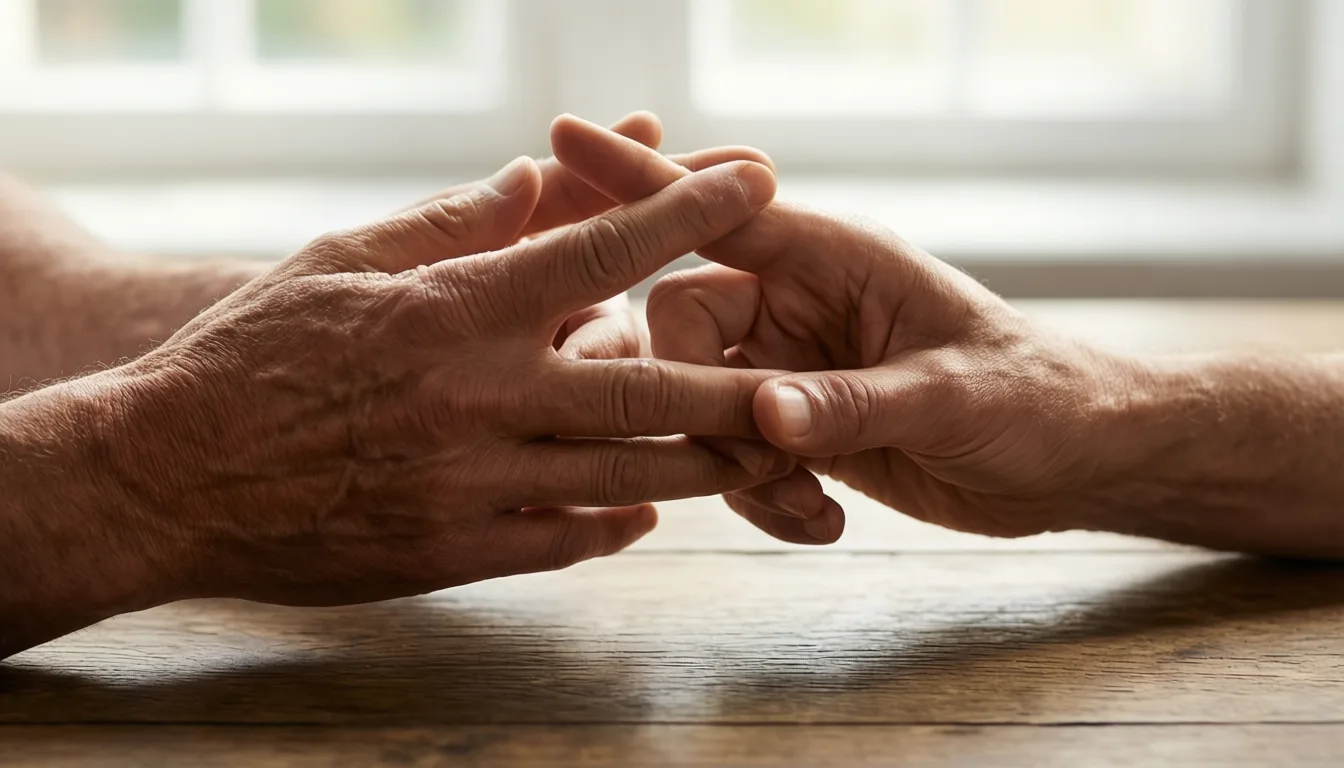
Asymmetric bimanual drills recruit a wide cortical network — a trial is testing whether VR can deliver the same effect.
- The link is consistent, not causal yet. IGNITE's baseline data tie fitness to cognition across five domains, but it is a cross-sectional snapshot.
- APOE4 didn't blunt the effect. The fitness–cognition association held regardless of the Alzheimer's-risk gene variant in this sample.
- Three trials are stress-testing the causal claim: creatine + lifting in MCI, bimanual/VR finger drills in MCI, and a rural multicomponent exercise program in adults over 65.
- Combine modalities. Aerobic capacity, resistance work and coordination-heavy movement each show distinct mechanistic rationales.
- Adherence beats intensity. The pragmatic, video-assisted rural design is built around the variable that actually moves outcomes.
- Talk to a clinician before supplementing or starting structured training, especially if you take beta-blockers or have a cognitive diagnosis.
For a desk that usually writes about skin barriers and posture, the throughline here is familiar: the most durable upgrades are the structural ones. Train the cardiovascular system that perfuses the brain. Build the muscle that defends metabolic health for decades. Add movement that is complex enough to demand cortical work. The face you present at 75 is partly a function of the work you do at 55; the mind behind it appears to follow the same rule.
Frequently asked questions
What cognitive abilities did the IGNITE study link to cardiorespiratory fitness?
IGNITE researchers tested five domains: episodic memory, processing speed, working memory, executive function, and visuospatial ability. Higher cardiorespiratory fitness was associated with better performance across all five domains in adults averaging nearly 70 years old.
Does carrying the APOE4 gene variant cancel out the brain benefits of being fit?
According to the IGNITE baseline analysis, APOE4 status did not blunt the relationship between cardiorespiratory fitness and cognitive performance. The fitness-cognition link held regardless of whether participants carried the Alzheimer's-risk gene variant.
Why doesn't the IGNITE study prove that exercising will improve your memory?
IGNITE's baseline analysis is cross-sectional, meaning it captured data at a single point in time. It shows that fitter older adults score better on cognitive tests but cannot prove that increasing your own fitness will raise your cognitive scores.
What is the Western University trial testing, and who is it designed for?
The 26-week randomised trial is testing whether creatine supplementation and resistance training, alone and in combination, can improve cognition, brain health, and physical function. It uses a 2x2 design and is specifically designed for older adults who already have mild cognitive impairment.
What types of exercise does the article suggest may each offer distinct brain benefits?
The article points to three modalities with separate mechanistic rationales: aerobic work to build cardiorespiratory fitness, resistance training to protect muscle mass and the metabolic environment the brain relies on, and coordination-heavy movement such as asymmetric bimanual drills, which recruit a wide cortical network.
Sources
- Cardiorespiratory fitness is associated with cognitive function in late adulthood: baseline findings from the IGNITE study. — British journal of sports medicine
- Creatine and Resistance Training in Older Adults With Mild Cognitive Impairment — Western University, Canada
- Comparison of the Effects of Bimanual, Finger and VR Exercises in PwMCI — Eastern Mediterranean University
- Effects of Physical Exercise on Frailty, Mental and Physical Health of Older Adults in Rural Areas. — Universidad de Zaragoza

Creatine Goes Cognitive: Inside a Real Trial in Mild Cognitive Impairment
A 26-week Canadian study pits creatine, resistance training, and the combination against placebo in older adults with MCI — a rare attempt to test the brain-health story properly.
Creatine has spent four decades earning its keep on the gym shelf — the most studied ergogenic this side of caffeine, a humble little tripeptide that buffers ATP during the hardest seconds of work. Lately it has been doing something stranger: drifting out of the squat rack and into the conversation about memory, mood, and the aging brain. Most of that drift is hype. But not all of it. At Western University in Canada, a registered 26-week randomized trial is now trying to separate signal from noise in the population that matters most for this question — older adults with mild cognitive impairment — by testing creatine, resistance training, and the combination head-to-head against placebo.
The trial, listed on the U.S. clinical trial registry as NCT06948149, is the kind of design performance-science readers should recognize on sight: a 2×2 factorial that crosses a supplement (creatine vs. placebo) with an exercise mode (progressive resistance training vs. an active control of balance-and-tone classes). Four arms, one question: when an aging brain is already slipping, does the powder in the tub do anything on its own, does the barbell do anything on its own, and — the most interesting cell in the grid — do they do more together than apart?
For an audience used to thinking about creatine in milliseconds of phosphocreatine resynthesis, the cognitive framing requires a small mental gear shift. The neurons you are asking to remember a grocery list are not so different, energetically, from the type-II fibers you ask to clear a heavy single. Both run on ATP. Both can be bottlenecked when demand outruns supply. Creatine, in muscle, accelerates the recharge. The hypothesis under test here is whether the same chemistry helps in tissue that fires far more continuously and where the cost of an energy shortfall is measured not in a missed rep but in a missed name.
Why this design, and why now
The case for taking creatine seriously in older brains rests on three pillars, none of them yet a load-bearing wall. The first is endogenous decline: creatine is naturally synthesized in the body and tissue stores fall with age, as the trial's own background notes. The second is the established benefit in older muscle and bone — creatine consistently shows up in the literature as a useful adjunct for lean mass and bone density when paired with training in older adults, the very substrate this trial is leveraging. The third, and the shakiest, is a thin but suggestive line of work hinting that creatine supplementation may nudge cognitive measures in older people, particularly under conditions of stress, sleep loss, or compromised baseline function.
That third pillar is exactly why an MCI cohort is the right place to push. Healthy young brains, like healthy young muscle, are creatine-replete and metabolically forgiving; an exogenous top-up has little headroom to work with. A brain operating with reduced reserve — the working definition of mild cognitive impairment — is the analogue of an athlete dropped into altitude. Supply constraints become visible. If creatine helps a brain anywhere, it should help here first.

The trial standardizes daily creatine intake against a look-alike placebo across all 26 weeks.
The exercise arm matters just as much. Resistance training is one of the very few interventions with credible human evidence for improving cognition in older adults, and the trial's protocol doesn't cut corners: three 60-minute supervised sessions per week, progressive loading across major muscle groups, sustained over half a year. That is a real training stimulus, not a wellness gesture. The placebo-exercise arm — balance-and-tone classes — controls for the social, scheduling, and gentle-movement effects that any group exercise intervention inevitably carries, which is the kind of methodological hygiene that lets a result actually mean something.
If creatine helps a brain anywhere, it should help here first.
What the 2×2 can — and can't — tell us
The factorial structure is the elegant part. Comparing creatine-plus-training against placebo-plus-training isolates the creatine effect on top of a known cognitive intervention. Comparing creatine-plus-balance against placebo-plus-balance isolates creatine in the absence of meaningful loading — the closest this trial gets to asking whether a scoop a day, by itself, does anything for an MCI brain. And the contrast between the two combined arms tests for synergy: is the brain benefit of lifting amplified when the cell's energetic substrate is also topped up?
What the trial will not tell us, even at its best, is whether creatine prevents cognitive decline in people who do not yet have it, whether it changes long-term dementia trajectories, or whether a different dose, form, or duration would produce a different verdict. Twenty-six weeks is long enough to see meaningful cognitive change but short of the multi-year horizons on which neurodegeneration plays out. The outcomes — cognition, brain-health measures, and physical function — are appropriately broad, and the population is narrow on purpose. Read the eventual results as a sharply focused photograph, not a landscape.

Three supervised sessions a week, progressively loaded — the exercise arm is a real training dose, not a wellness gesture.
- It's a trial, not a finding. NCT06948149 is a registered, ongoing 26-week study; no outcome data have been published from it.
- The population is the point. Older adults with mild cognitive impairment have reduced metabolic reserve — the population where a creatine effect, if real, should be easiest to detect.
- The 2×2 is what makes it useful. Creatine and resistance training are tested alone and together against placebo, so synergy (or its absence) is directly measurable.
- Resistance training is the comparator, not just a co-intervention. Lifting already has credible cognitive evidence in older adults; creatine has to clear that bar to matter.
- Don't extrapolate to healthy athletes' brains. Whatever this trial finds will apply to MCI first; broader claims will need their own studies.
- This is educational, not prescriptive. Any decision about supplementation in the context of cognitive symptoms belongs in a conversation with a clinician.
Frequently asked questions
Has this trial produced any results yet?
No. NCT06948149 is a registered, ongoing 26-week study and no outcome data have been published from it. The article describes it as a trial, not a finding.
Why does the trial focus on people with mild cognitive impairment rather than healthy older adults?
Healthy brains are creatine-replete and metabolically forgiving, leaving little room for an exogenous top-up to show an effect. Older adults with mild cognitive impairment have reduced metabolic reserve, making them the population where a creatine effect, if real, should be easiest to detect.
What is the purpose of the 2×2 factorial design used in this study?
The design crosses creatine versus placebo with resistance training versus balance-and-tone classes, creating four arms. This allows researchers to measure the effect of creatine alone, resistance training alone, and whether the two produce greater benefit together than either does separately.
What does the exercise component of the trial actually involve?
Participants in the resistance training arm complete three 60-minute supervised sessions per week, with progressive loading across major muscle groups, sustained over the full 26 weeks. The article describes this as a real training stimulus, not a wellness gesture.
What questions will this trial not be able to answer, even if successful?
The trial will not indicate whether creatine prevents cognitive decline in people who do not yet have it, whether it changes long-term dementia trajectories, or whether a different dose, form, or duration would produce a different outcome. The article notes that 26 weeks is short of the multi-year horizons on which neurodegeneration plays out.
Sources
- Creatine and Resistance Training in Older Adults With Mild Cognitive Impairment — Western University, Canada
Tirzepatide Without Diabetes: What the Meta-Analysis Behind the Hype Actually Shows
A new pooled analysis of randomized trials isolates the non-diabetic obesity population — the use case driving most consumer demand — and quantifies what the dual GIP/GLP-1 agonist actually does, and what it costs.
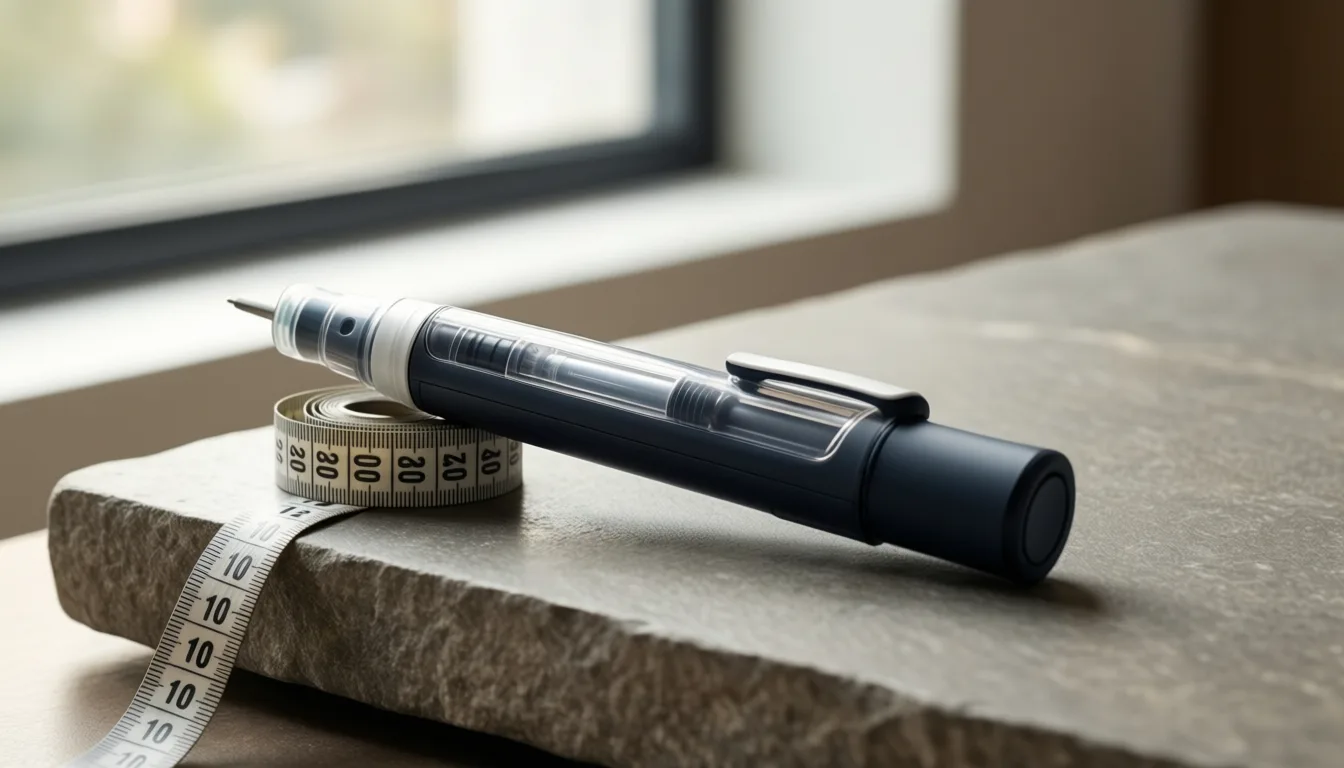
If you're a 40-year-old man who has watched a colleague drop two pant sizes in six months and quietly wondered whether the needle in his fridge is the reason, you are not alone — and you are also not crazy for wanting better data before you ask your own doctor. Tirzepatide, the dual GIP/GLP-1 receptor agonist marketed as Mounjaro for diabetes and Zepbound for obesity, has spent the last two years moving from endocrinology clinics into dinner-party conversation. What's been missing from that conversation is a clean read on what it actually does in people who do not have diabetes — the population driving most of the consumer demand. A 2024 systematic review and meta-analysis published in TouchREVIEWS in Endocrinology is the first to pool the randomized evidence on exactly that question.
The headline finding is large, and it is worth stating precisely. Across two randomized placebo-controlled trials totaling 1,852 non-diabetic adults with obesity, tirzepatide at 15 mg (or the highest tolerable dose) produced a mean percentage weight reduction 19.44% greater than placebo, with a 95% confidence interval of −22.48% to −16.41%. In absolute terms, that translated to roughly 17.55 kg more weight lost than placebo — about 39 pounds. For context, that is an order of magnitude beyond what diet-and-exercise trials reliably deliver at one year, and it is meaningfully larger than what older single-pathway GLP-1 agonists produced in comparable populations.
Why this analysis matters more than the press releases
Individual trials are useful; pooled, pre-specified analyses of randomized trials are better. The authors of this review screened 281 articles and isolated only the studies that randomized non-diabetic adults to tirzepatide versus placebo — stripping out the diabetic populations that dominate the broader tirzepatide literature. That matters because glycemic status changes how the drug behaves and how patients respond. For the busy reader trying to triangulate whether the weight-loss numbers in the headlines apply to them, this is the apples-to-apples comparison that was missing.
The responder data is arguably more useful than the average. A mean is just a mean; what most people want to know is, "What are my odds of meaningful weight loss?" The meta-analysis reports that significantly higher proportions of tirzepatide-treated participants hit thresholds of ≥5%, ≥10%, ≥15%, ≥20% and ≥25% body-weight reduction compared with placebo. The ≥20% and ≥25% thresholds are particularly notable — territory historically reserved for bariatric surgery.
Responder-rate data — not just the average — is what tells you your realistic odds at each weight-loss threshold.
A mean is just a mean. What most people want to know is what their odds are of meaningful weight loss.
The cardiometabolic dividend
Weight loss is the headline, but the secondary outcomes are where the practical case for these drugs strengthens — or weakens, depending on what you value. The review reports improvements in glycemic and cardiometabolic parameters with tirzepatide versus placebo in this non-diabetic group, including lipid measures. That is consistent with what we'd expect when someone loses 15–20% of their body weight by any means, and it suggests the metabolic benefits are not gated on being diabetic to begin with.
The honest caveat: this is a two-trial pool. The effect estimates are precise enough to be confident in the direction and rough magnitude, but you should think of this as the strongest current read rather than the final word. More trials are running. The signal here is unlikely to evaporate, but the exact numbers will tighten.
What it costs you
Tirzepatide is not a free lunch. The meta-analysis found that significantly more participants on the drug experienced one or more adverse events compared with placebo. The adverse-event profile in the underlying trials has consistently been dominated by gastrointestinal complaints — nausea, diarrhea, constipation, vomiting — that tend to be worst during dose escalation and ease over time for most users, but not all. A meaningful minority discontinue because of side effects.
What the meta-analysis cannot tell you, because the trials it pools were not designed to answer it: what happens after you stop. The lean-mass question, the bone-density question, the rebound-weight-gain question, and the very-long-term safety question all remain genuinely open. If you are evaluating this drug, those unknowns belong on the same page as the 19.44% number.
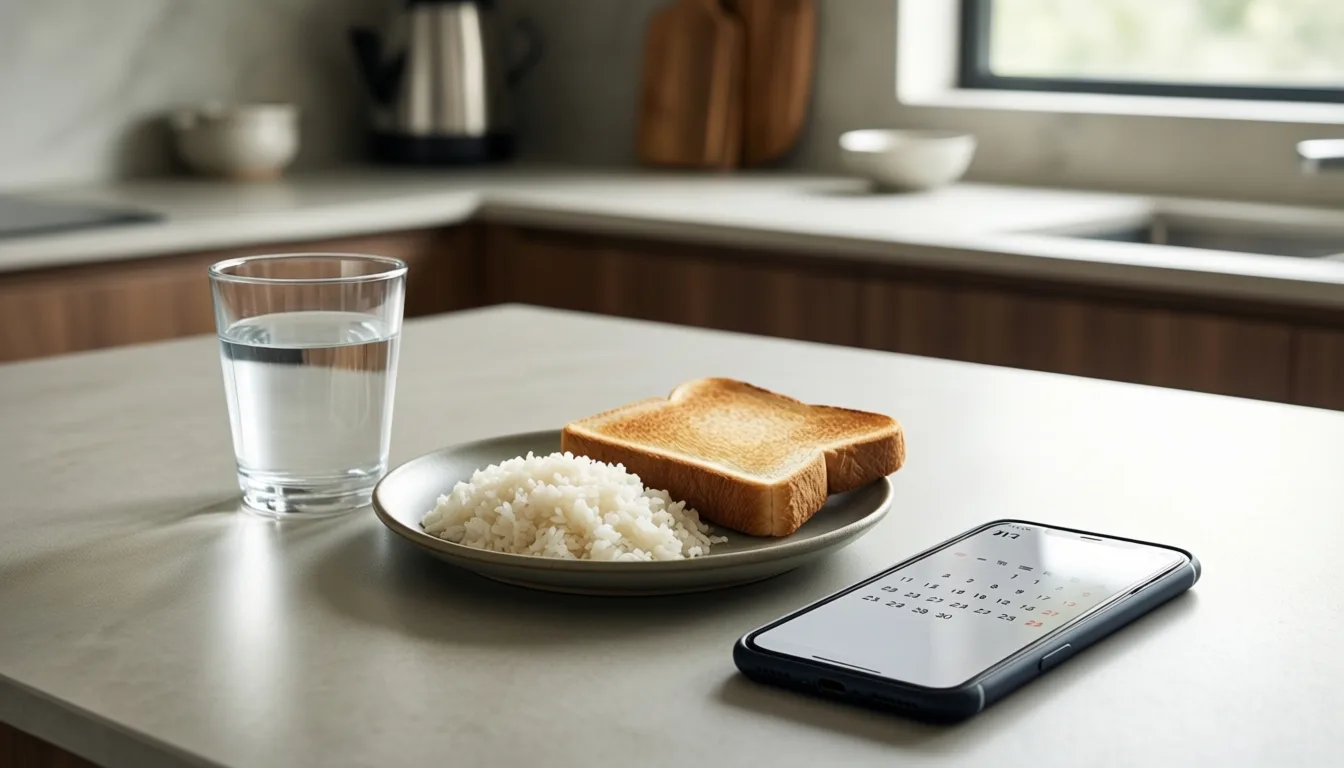
Gastrointestinal side effects — particularly during dose escalation — are the most common reason people stop.
- The effect is large and replicated. Across 1,852 non-diabetic adults, tirzepatide produced ~19% greater weight loss than placebo — roughly 17.5 kg in absolute terms.
- Responder rates reach surgical territory. Significantly more participants hit ≥20% and ≥25% body-weight reduction than on placebo.
- Cardiometabolic markers improved, including glycemic and lipid parameters, even in people without diabetes.
- Adverse events were more common on drug, driven by predictable GI side effects during dose escalation.
- The evidence base is still thin. Two RCTs is a strong signal, not a closed case — particularly on durability and what happens after discontinuation.
- This is not a DIY decision. Eligibility, dose escalation, and monitoring belong with a clinician who knows your full history.
What this actually changes for a busy 40-year-old
Three things. First, if you have been telling yourself the weight-loss numbers you've seen for tirzepatide are inflated marketing, the randomized data in non-diabetic adults says otherwise — the effect size is real and it is large. Second, the cardiometabolic improvements suggest the benefit is not purely cosmetic; the same machinery that drops the weight appears to move the markers that matter for cardiovascular risk. Third, the adverse-event signal and the open long-term questions mean this is a conversation with a physician who can weigh your specific situation, not a checkout-cart decision.
The drug is not magic, and the data here is not a license for hype. But for the right person, working with the right clinician, the gap between tirzepatide and what came before is the kind of gap that genuinely changes the calculation.
Frequently asked questions
How much weight did non-diabetic adults lose on tirzepatide compared to placebo in this meta-analysis?
Across 1,852 non-diabetic adults pooled from two randomized trials, tirzepatide at 15 mg (or the highest tolerable dose) produced a mean percentage weight reduction 19.44% greater than placebo, translating to roughly 17.55 kg more weight lost than placebo — about 39 pounds.
Did tirzepatide improve health markers beyond weight loss in people without diabetes?
Yes. The review reports improvements in glycemic and cardiometabolic parameters, including lipid measures, in the non-diabetic group treated with tirzepatide versus placebo. The authors note these metabolic benefits are not gated on being diabetic to begin with.
What are the most common side effects of tirzepatide?
The meta-analysis found significantly more participants on tirzepatide experienced one or more adverse events compared with placebo. The adverse-event profile has consistently been dominated by gastrointestinal complaints — nausea, diarrhea, constipation, and vomiting — which tend to be worst during dose escalation, and a meaningful minority discontinue the drug because of these side effects.
How do tirzepatide's weight-loss results compare to bariatric surgery?
The meta-analysis reports that significantly higher proportions of tirzepatide-treated participants reached thresholds of 20% and 25% or greater body-weight reduction compared with placebo, which the authors describe as territory historically reserved for bariatric surgery.
What important questions does this meta-analysis leave unanswered?
The pooled trials do not resolve what happens to weight, lean mass, bone density, or cardiometabolic markers after discontinuation, nor do they characterize rare adverse events that only surface in much larger post-marketing populations. The analysis also does not compare tirzepatide head-to-head against semaglutide in non-diabetic adults at matched doses.