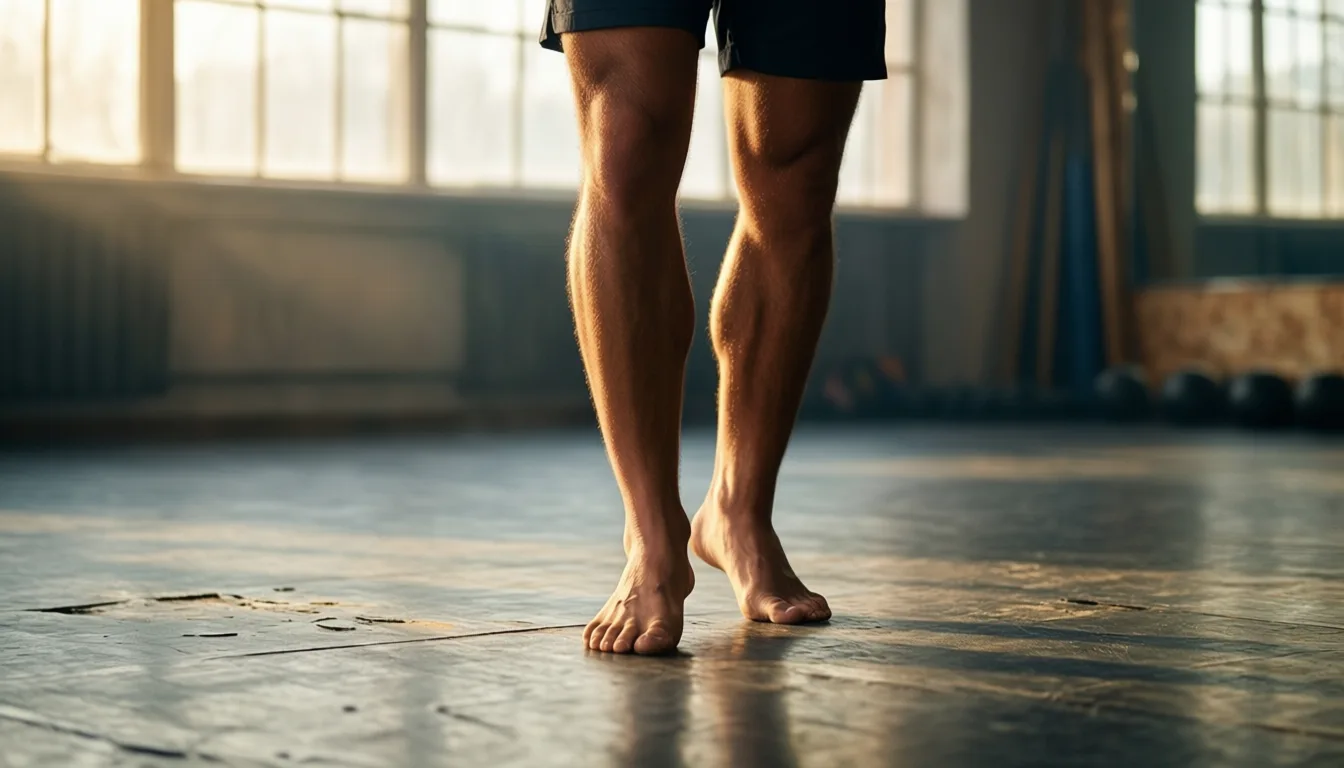
Posture, Iron, and Movement Screens: What Military Science Reveals About Injury-Proofing Yourself
Four military training studies translate into a sharper playbook for serious lifters who want to keep training — and stop leaving gains on the physio table.
Every lifter I know has a ghost injury — the tweaky hip, the cranky shoulder, the ankle that rolls if you look at it sideways. We tape it, we ignore it, we PR around it. Then one day a warm-up set buries us for six weeks. Military training programs have been wrestling with the same problem at industrial scale, and a fresh batch of studies out of the French Navy, the Royal Navy, the Swedish Armed Forces, and UK veteran services offers something rare: a moderate-evidence playbook for not breaking. None of it is magic. All of it is unglamorous. And almost every piece of it maps cleanly onto how you should be training in a civilian gym.
- Your standing balance carries signal. A French Navy posturography model predicted fall-related injury with about 70% accuracy — promising, but proof-of-concept.
- A short neuromuscular warm-up beat a standard one. Royal Navy recruits saw markedly lower musculoskeletal injury rates over 10 weeks.
- Iron quietly drifts during hard training blocks. Ferritin fell in both sexes across Swedish basic training, with iron deficiency rising in women.
- Self-compassion is a recovery tool, not a soft skill. Qualitative work in UK veterans frames it as a resilience lever — small sample, big implication.
- Translate, don't transplant. Military cohorts aren't lifters; treat this as direction, not prescription.
What your balance is trying to tell you
The flashiest of the four studies put 99 male soldiers on a force plate before the French Navy Special Forces selection course, eyes closed, just standing. A neural network chewed on the sway data and tried to guess who would later wash out due to a fall-related injury. It hit about 69.9% accuracy with an AUC of 0.731 — sensitivity 56.8%, specificity 77.7%. That's a proof-of-concept, not a crystal ball, and the authors say so plainly.
For lifters, the takeaway isn't "go buy a force plate." It's that quiet, eyes-closed balance carries injury-relevant information your conscious brain doesn't. If you cannot stand on one leg, eyes closed, for 20 seconds without flailing, that's a cheap signal worth paying attention to before you keep loading the bar.
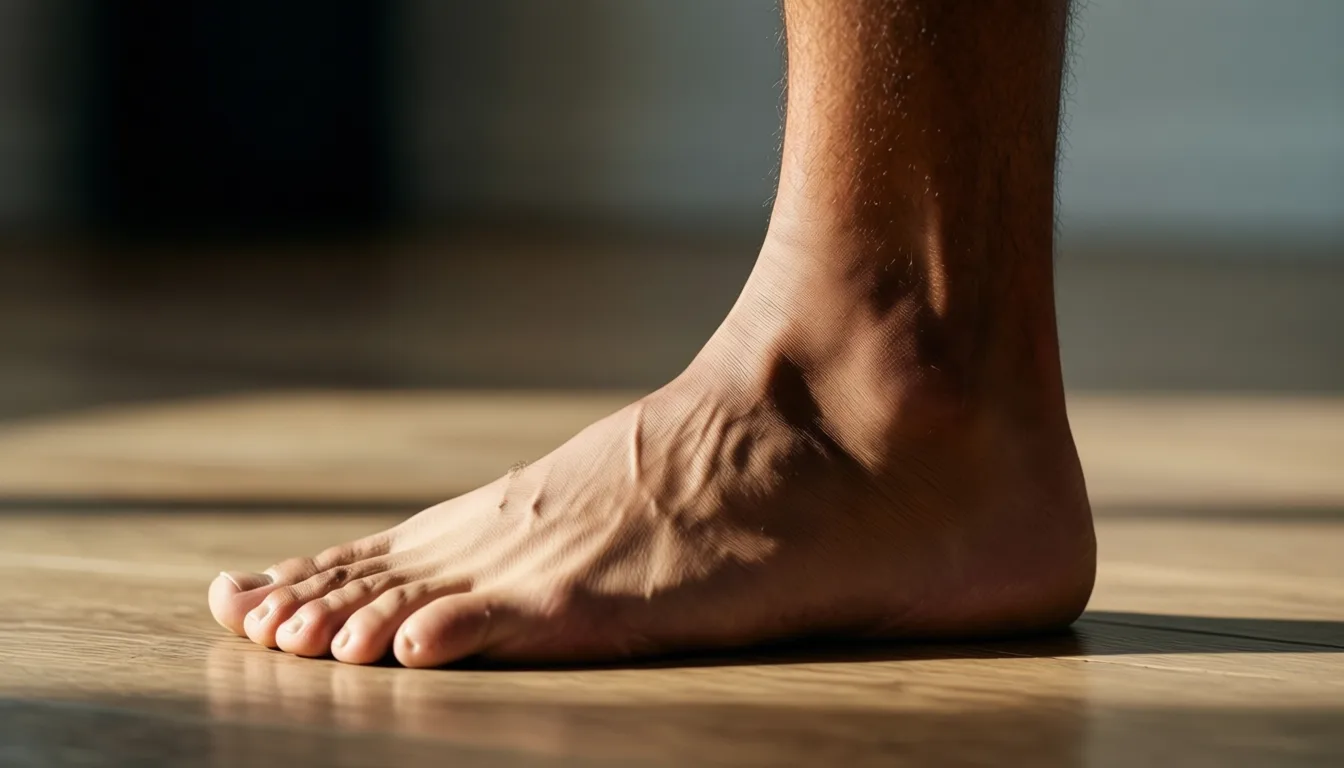
Static balance is a window onto the small stabilizers nobody trains on purpose.
The warm-up that actually moved the needle
The Royal Navy study is the one I'd staple to every gym wall. Researchers added neuromuscular pre-activation work — hip-control focused — to the warm-up of 162 recruits across a 10-week training block and compared injury rates to a 90-recruit control group running the standard warm-up. The result: musculoskeletal injury incidence dropped from 31% in controls to 8% in the intervention group, with most injuries concentrated in the lower limb and clustered in weeks 1, 2, and 5. Movement quality on the Hip and Lower-Limb Movement Screen also improved.
That's a non-randomized comparison across two cohorts, so don't read it as a guaranteed effect size — recruit populations, weather, instructors, and bad luck all vary year to year. But the direction is loud, and it lines up with everything we already believe about hip and glute activation before heavy lower-body work. Five minutes of deliberate hip-focused prep before your squat session is the cheapest insurance in the gym.
Five minutes of deliberate hip prep before your squat session is the cheapest insurance in the gym.
The iron problem nobody on the gym floor talks about
Here's the one most lifters underrate. A Swedish cohort of 58 female and 104 male recruits had bloods drawn at baseline and again after five months of basic combat training. Hemoglobin rose in both sexes, but ferritin — the storage form of iron — fell, with iron deficiency prevalence climbing significantly in women. In gender-adjusted analyses, baseline ferritin was associated with overuse injury risk, though that signal didn't survive once confounders were added. Baseline physical work capacity, meanwhile, predicted who would miss training.
Translation for the gym: extended high-volume blocks can deplete iron stores even when your hemoglobin looks fine on a standard panel. Ferritin is the better early warning, and the study suggests entering a hard block already well-conditioned matters more than people admit. None of this is a green light to start supplementing iron — excess iron is genuinely harmful, and self-dosing is a bad idea. It's a green light to ask your physician for a ferritin check if you're deep in a volume phase, training fasted often, or running low-red-meat.
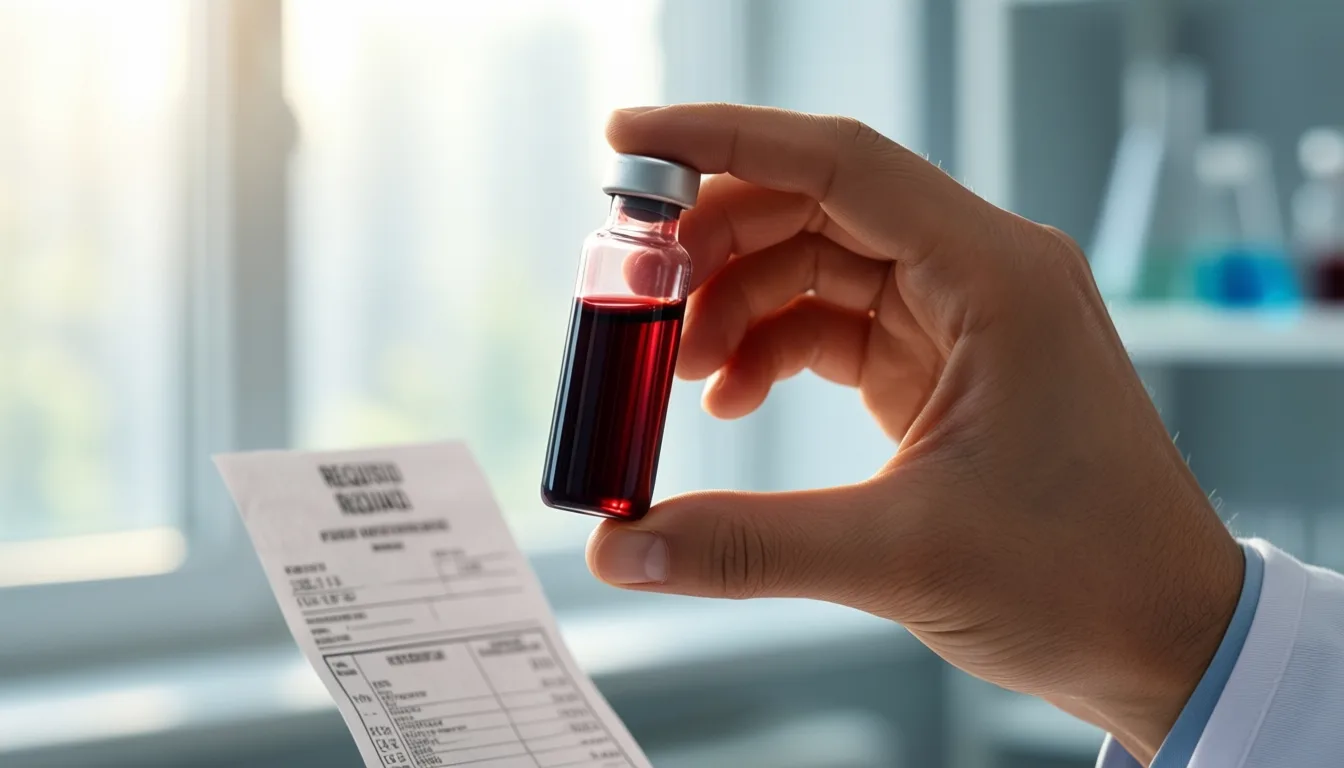
Ferritin is the quiet variable in long, hard training blocks.
The recovery variable lifters refuse to train
The fourth study is the one I almost skipped, then couldn't stop thinking about. UK military veterans in recovery from alcohol use disorders were interviewed about self-compassion — the practice of meeting your own setbacks with the same patience you'd give a friend. Through an interpretative phenomenological lens, researchers identified two themes — "Searching for Safety" and "Healing with Honour" — and found self-compassion was salient in veterans' AUD recovery, though sometimes perceived as incongruent with military identity.
Five participants. Qualitative. Not about the gym. So why include it? Because the shame-spiral after a missed PR, a fumbled cut, or a tweaked back is the exact mechanism that pushes lifters into the dumbest decisions of their training career — training through pain, slashing food, doubling volume to "make up." The veterans' framing is useful: self-compassion isn't softness. It's the cognitive infrastructure that lets you make the unsexy call — deload, sleep, see a clinician — instead of doubling down. Take this one as direction, not data.
How to actually use this
None of these studies were run on civilian lifters, and the evidence here is moderate, not settled. But the convergence is hard to ignore: balance signals matter, hip-focused neuromuscular prep reduces injury, iron status quietly erodes under load, and how you talk to yourself in a setback predicts what you do next. That's a four-lever model — screen, prep, fuel, recover — that doesn't require a force plate or a flag on your shoulder to deploy.
Build the eyes-closed single-leg balance check into your warm-up. Spend five minutes on hip-activation work before lower-body days. If you're deep in a volume block, ask your physician about a ferritin panel before you assume you're just "tired." And when training goes sideways, treat the deload like the disciplined call it is, not a moral failing. Talk to a clinician about anything that hurts for more than a couple of weeks. The lifters who train for decades aren't the ones who never got hurt. They're the ones who saw it coming.
Frequently asked questions
What did the French Navy posturography study actually show, and how reliable is it?
Researchers placed 99 male soldiers on a force plate — eyes closed, just standing — before a special forces selection course, then used a neural network to predict who would later sustain a fall-related injury. The model reached about 69.9% accuracy with an AUC of 0.731, which the authors themselves describe as a proof-of-concept rather than a reliable screening tool.
How much did the neuromuscular warm-up reduce injuries in the Royal Navy study?
Recruits who used a hip-control-focused neuromuscular pre-activation warm-up had a musculoskeletal injury rate of 8% over 10 weeks, compared to 31% in the group that used the standard warm-up. Most injuries in both groups were concentrated in the lower limb and clustered in weeks 1, 2, and 5.
Why can't I just rely on a standard blood panel to know if my iron is okay during a hard training block?
The Swedish study found that hemoglobin rose in both male and female recruits over five months of basic combat training, while ferritin — the storage form of iron — fell. Because a standard CBC measures hemoglobin rather than ferritin, it can miss declining iron stores, which is why the article recommends asking a clinician specifically for a ferritin panel.
What is the one-leg balance test mentioned in the article, and what does it signal?
The article describes a simple self-check: standing on one leg with eyes closed for 20 seconds without losing control. The point is not to replicate force-plate science but to notice that quiet, eyes-closed balance carries injury-relevant information about the small stabilizers that most people never train deliberately.
Why does the article include a study about veterans and self-compassion when it's not about lifting?
The qualitative study, drawn from five UK military veterans recovering from alcohol use disorders, identified self-compassion as a resilience lever — framed through the themes 'Searching for Safety' and 'Healing with Honour.' The article applies the concept to training because the same shame-driven response to setbacks — pushing through pain, slashing food, doubling volume — leads lifters into poor decisions that prolong injuries.
Sources
- Posture analysis in predicting fall-related injuries during French Navy Special Forces selection course using machine learning: a proof-of-concept study. — BMJ military health
- Efficacy of neuromuscular exercises to promote movement quality and reduce musculoskeletal injury during initial military training in Royal Navy recruits. — BMJ military health
- Changes in haemoglobin and ferritin levels during basic combat training: relevance for attrition and injury frequency. — BMJ military health
- Courage, camaraderie and compassion: a qualitative exploration into UK military veterans' experiences of self-compassion within the context of alcohol use disorders and recovery. — BMJ military health
Join the conversation
Comments are moderated and reviewed before they appear. Be constructive — this is health information.
Add your comment