
In This Issue

Life's Essential 8: How a Modernized Heart-Health Score Reframes Prevention
The American Heart Association's updated 0–100 cardiovascular score now includes sleep — and new French cohort data show how few adults actually land in the 'high' zone.
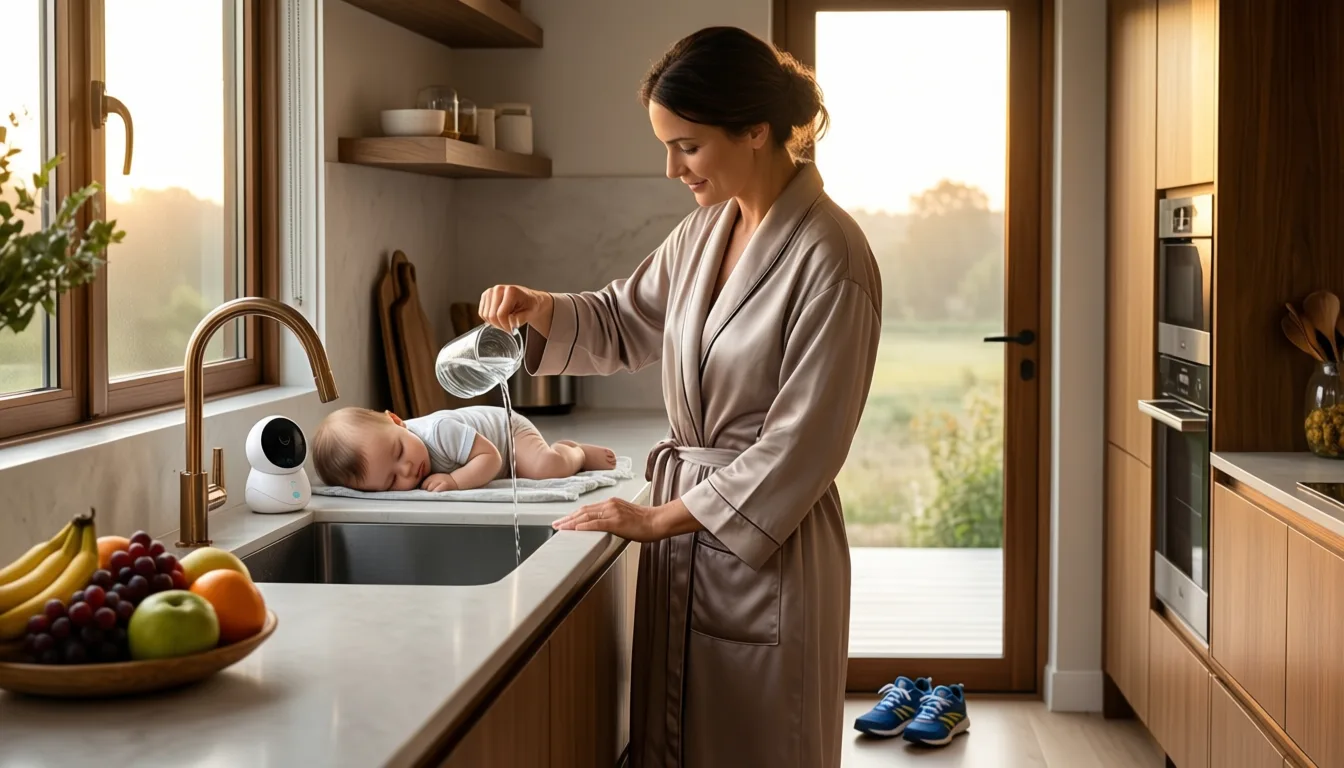
Somewhere between the 5 a.m. feed and the school-run scramble, most parents stop thinking about their heart. It hums along in the background, asking for nothing — until a checkup, a scare, or a milestone birthday makes us wonder how it's really doing. The American Heart Association's updated cardiovascular health score, called Life's Essential 8, is built for exactly that wondering. It turns a fuzzy question — am I doing okay? — into a 0-to-100 self-audit you can actually read.
The framework is an evolution of the older Life's Simple 7. It keeps the familiar pillars — diet, physical activity, nicotine exposure, body mass index, blood lipids, blood glucose, and blood pressure — and adds an eighth that many parents will recognize as the missing piece: sleep. Each metric is now scored on a granular scale, then averaged into a single number from 0 to 100, with 80 and above considered 'high' cardiovascular health.
That granularity matters. A 14-point score lumps people into broad buckets; a 100-point score can show you that your blood pressure is excellent, your activity is middling, and your sleep is dragging the whole average down. For a tired parent, that's not a verdict — it's a map.
What a nationwide cohort just revealed
To see how the new score plays out in real life, researchers applied it to CONSTANCES, a nationwide French cohort of more than 191,000 adults aged 18 to 69. The participants were free of prior cardiovascular disease and weighted to represent roughly 45 million people. It's one of the largest looks yet at how Life's Essential 8 distributes across a general adult population outside the United States.
The headline number is sobering and useful at once: the average score was about 66 out of 100. Not failing, not flourishing — squarely in the middle. Women averaged meaningfully higher than men, and only a small slice of adults landed in the 'high' cardiovascular health band that the AHA defines as 80 or above.
For readers who suspect that 'optimal' heart health is the quiet norm among health-conscious peers, the data offer a gentle corrective. High cardiovascular health is rare. That's not a reason for guilt; it's a reason to be realistic about where small, consistent shifts can move the needle.
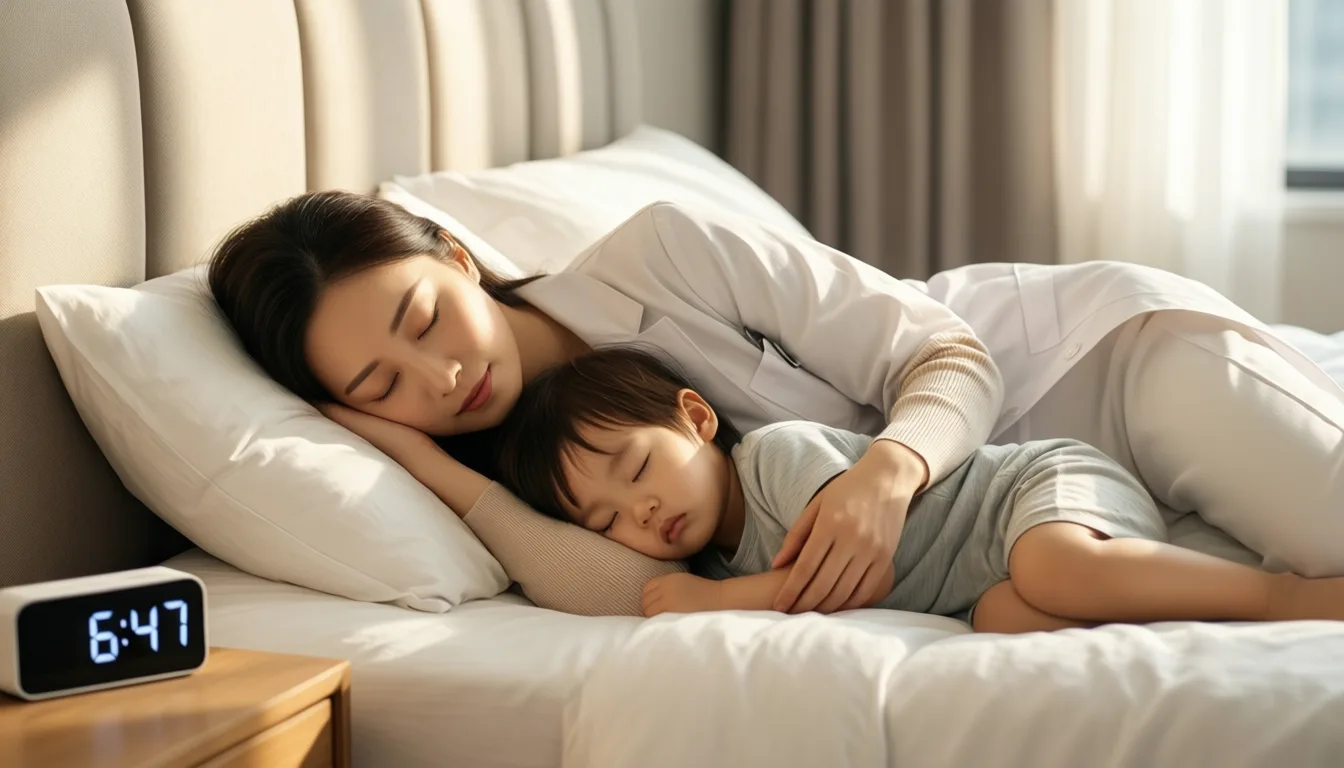
Sleep joined the cardiovascular health checklist in 2022 — a recognition that recovery is metabolism, too.
Why sleep finally got a seat at the table
The decision to add sleep to the score is the part of this update parents tend to feel in their bones. Short or fragmented sleep nudges blood pressure, appetite hormones, and glucose regulation in directions that, repeated over years, show up on a cardiologist's chart. The AHA's framework recognizes that a person averaging five hours a night is carrying a different cardiovascular load than someone getting seven — even if everything else looks identical.
That doesn't mean the answer is to chase eight perfect hours while a newborn is in the house. It means sleep counts as part of the picture, and that small wins — an earlier lights-out two nights a week, a partner taking the dawn shift on weekends — are legitimately cardio-protective, not just nice-to-haves.
High cardiovascular health is rare. That's not a reason for guilt — it's a reason to be realistic about where small shifts can move the needle.
How to read your own score, gently
Life's Essential 8 is designed to be self-assessable, with the caveat that three of the eight pillars — lipids, glucose, and blood pressure — need real measurements. Many readers already have these from a recent physical; if not, this is the kind of audit a primary care visit is built for.
The other five — diet pattern, physical activity, nicotine and vaping exposure, BMI, and sleep duration — you can estimate at the kitchen table. The point isn't precision to the decimal. It's noticing which pillar is doing the heavy lifting and which one is quietly costing you points.
The French data are a useful reality check here. If your score lands in the 60s, you are in the company of the average adult in a large, well-characterized European population. The question worth asking isn't 'how do I get to 100?' It's 'which single pillar, if I nudged it for the next three months, would move my number the most?'
Three of the eight pillars need real measurements — a good reason to keep that annual checkup on the calendar.
- Life's Essential 8 is a 0–100 score built from diet, activity, nicotine exposure, BMI, lipids, glucose, blood pressure, and — newly — sleep.
- The average French adult scored about 66, with women scoring meaningfully higher than men, suggesting most of us sit in the middle, not the top.
- High cardiovascular health (80+) is uncommon, so a mid-range score is not a failure; it's a starting point with room to move.
- Sleep is now formally part of heart health, which means recovery counts alongside diet and exercise — useful framing for new parents.
- Three pillars need real numbers (lipids, glucose, blood pressure) — a good reason to use your next clinician visit to fill them in.
- Pick one pillar, not all eight. The score's granularity exists so you can target the lowest-scoring habit first.
What's quietly radical about Life's Essential 8 isn't any single pillar. It's the suggestion that cardiovascular health is a composite — that a great sleep stretch can partly offset a stressful eating week, that a daily walk earns real points even when the gym is a fantasy, and that the parts of life that feel least medical, like rest, are part of the medicine. For parents running on fumes, that reframing might be the most useful thing the new score offers: permission to count the small wins, and a number that quietly counts them back.
Frequently asked questions
What are the eight pillars that make up the Life's Essential 8 score?
The eight pillars are diet, physical activity, nicotine exposure, body mass index, blood lipids, blood glucose, blood pressure, and sleep. Each is scored on a granular scale and then averaged into a single number from 0 to 100.
What score is considered 'high' cardiovascular health, and how common is it?
The American Heart Association defines a score of 80 or above as 'high' cardiovascular health. According to the French cohort data, only a small slice of adults reached that band, making high cardiovascular health uncommon.
Why was sleep added to the cardiovascular health score?
Sleep was added because short or fragmented sleep affects blood pressure, appetite hormones, and glucose regulation in ways that, repeated over years, can show up on a cardiologist's chart. The AHA's framework recognizes that recovery is part of cardiovascular health, alongside diet and exercise.
Which of the eight pillars require real medical measurements rather than self-estimation?
Three pillars — lipids, glucose, and blood pressure — require actual measurements. The remaining five (diet pattern, physical activity, nicotine and vaping exposure, BMI, and sleep duration) can be estimated without a clinical visit.
What was the average Life's Essential 8 score found in the French cohort study, and did it differ by sex?
The average score across more than 191,000 French adults was about 66 out of 100. Women averaged meaningfully higher than men, with mean scores of 68.9 versus 62.8.
Sources
- Life's Essential 8 cardiovascular health status of 18-69-year-old individuals in France. — American journal of preventive cardiology
Microplastics and Aging: What the First Meta-Analysis Actually Shows
A pooled look at 33 studies finds microplastic exposure consistently nudges oxidative-stress markers upward. The signal is real — but so are the caveats.
Microplastics have become the pollutant of the moment — found in placentas, arteries, testicles, and the bottled water on your desk. The harder question, the one supplement aisles and wellness newsletters keep trying to answer ahead of the data, is whether they actually do anything to us. A new meta-analysis pooling 33 studies and roughly 1,400 observations offers the clearest synthesis yet, and the answer is a cautious, qualified yes: across model systems, microplastic exposure is consistently associated with higher levels of the biochemical markers researchers use to track biological aging.
The paper, published in Advances in Gerontology, applied PRISMA screening across PubMed, Scopus, Web of Science, and eLibrary to studies published between 2010 and 2025. The headline finding is that microplastic exposure significantly increased reactive oxygen species — ROS, the unstable molecules implicated in cellular wear-and-tear — with a standardized mean difference of 0.56 (95% CI 0.45–0.67), a moderate and statistically robust effect, according to the authors' pooled analysis.
That is a meaningful number, but it deserves context before it becomes a headline on a supplement bottle. A standardized mean difference of 0.56 is the kind of effect size researchers call moderate: large enough to be real, small enough that individual studies could plausibly miss it. And critically, the meta-analysis aggregates across model systems — cell cultures, invertebrates, rodents — rather than across long-term human cohorts, which simply don't exist yet for an exposure this newly recognized.
What the biomarkers actually mean
Aging biomarkers are not aging itself. They are proxies — measurable molecular fingerprints that tend to track with the deterioration we eventually see in tissues and organs. ROS sits near the top of that list because oxidative stress is one of the older, better-characterized mechanisms in the biology of aging: when antioxidant defenses can't keep pace with reactive oxygen production, lipids, proteins, and DNA accumulate damage. The meta-analysis reports that microplastics shifted this balance in a consistent direction across the studies pooled.
Consistency matters. Individual microplastic studies have been criticized — fairly — for using particle concentrations that dwarf real-world environmental exposure, for short timeframes, and for endpoints chosen post-hoc. A meta-analysis can't fix any of those problems in the underlying papers, but it can tell you whether the direction of effect holds when you stop cherry-picking. Here, it does.
Most of the underlying studies used concentrations and particle sizes chosen for tractability in the lab, not realism in the bloodstream.
The signal is consistent across 33 studies. The translation to human aging is not — yet.
What this evidence does — and doesn't — support
It is tempting, given the size of the pooled dataset, to skip ahead to the practical question: should you be doing something about microplastics to slow your own aging? The honest answer from this paper alone is that we are not there. The analysis establishes that microplastic exposure modulates aging biomarkers across model systems; it does not establish that reducing your bottled-water intake will measurably extend your lifespan, nor that any supplement on the market meaningfully offsets the exposure.
What it does do is unify a literature that, until recently, looked like a collection of anecdotes in fish and cell lines. A moderate, directionally consistent effect across 1,400 observations is the kind of foundation regulators and longer-term human studies tend to build on. It is also the kind of finding that wellness marketing will, predictably, race ahead of. Expect a wave of "microplastic detox" products in the next 18 months. None of them are supported by this paper.
- A pooled signal exists. Across 33 studies and ~1,400 observations, microplastic exposure raised ROS with a moderate effect size (SMD 0.56).
- It is mostly not human data. The underlying work is dominated by cell, invertebrate, and rodent studies — no long-term human cohorts.
- Biomarkers ≠ lifespan. ROS and related markers track with aging biology, but moving them in a lab doesn't automatically translate to shorter or longer human lives.
- No supplement is validated here. The meta-analysis evaluates exposure effects, not interventions to counter them.
- Exposure reduction is reasonable. Cutting avoidable plastic contact is low-risk; "detox" products promising to undo damage are not supported by this evidence.
- Talk to a clinician before changing a supplement regimen based on environmental-exposure headlines.
Reducing avoidable plastic contact is sensible on general principles — not a validated longevity intervention.
Where the field goes next
The most useful thing a meta-analysis like this does is sharpen the questions for the next round of research. Which particle sizes and polymer types drive the effect? At what cumulative exposure does the biomarker shift translate into functional decline? Do antioxidant pathways already in clinical use blunt the response, or merely the readout? The authors frame their work as a foundation for further investigation into microplastics as a modulator of longevity — which is the right register. Moderate evidence of a mechanism is not the same as evidence of an intervention.
For now, the most defensible reading is this: microplastics appear to perturb the same oxidative-stress machinery that aging research has spent decades characterizing, and the perturbation is consistent enough across studies to take seriously. That is a real finding. It is not a reason to buy anything.
Frequently asked questions
What did the meta-analysis actually find?
Pooling 33 studies and roughly 1,400 observations, the meta-analysis found that microplastic exposure consistently raised reactive oxygen species — unstable molecules linked to cellular wear-and-tear — with a standardized mean difference of 0.56, which the authors describe as a moderate and statistically robust effect. The studies covered research published between 2010 and 2025.
Were these studies conducted on humans?
The underlying research is dominated by cell cultures, invertebrates, and rodent studies; long-term human cohorts simply don't exist yet for an exposure this newly recognized. The article notes that while the direction of effect is consistent across model systems, the translation to human aging has not been established.
Does a higher ROS level mean microplastics are shortening human lifespans?
Not necessarily — the article is explicit that aging biomarkers are proxies, not aging itself, and that moving them in a lab doesn't automatically translate to shorter or longer human lives. The meta-analysis establishes that microplastics modulate these markers; it does not establish a link to lifespan outcomes.
Do 'microplastic detox' supplements work?
No supplement is validated by this paper, which evaluates exposure effects rather than interventions to counter them. The article warns that 'detox' products promising to reverse microplastic damage are not supported by this evidence, and suggests asking any such product: in what species, at what exposure level, and measured how?
Is there anything practical I can do about microplastic exposure?
The article describes reducing avoidable plastic contact — such as less plastic food storage, fewer single-use bottles, and better tap filtration — as reasonable on general principles. It distinguishes this from supplementing to counter an exposure no one has yet quantified in humans, which it characterizes as unsupported.
Sources
- [The trace of microplastics in gerontology: A meta-analysis of their role in modulating longevity.] — Advances in gerontology = Uspekhi gerontologii
Sulforaphane and Curcumin: Two Plant Compounds Geroscience Is Watching
A new study suggests sulforaphane sharpens the body's response to exercise in older adults, while a quarter-century of curcumin research keeps circling the same translational wall: bioavailability.
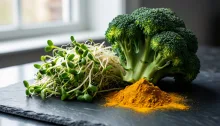
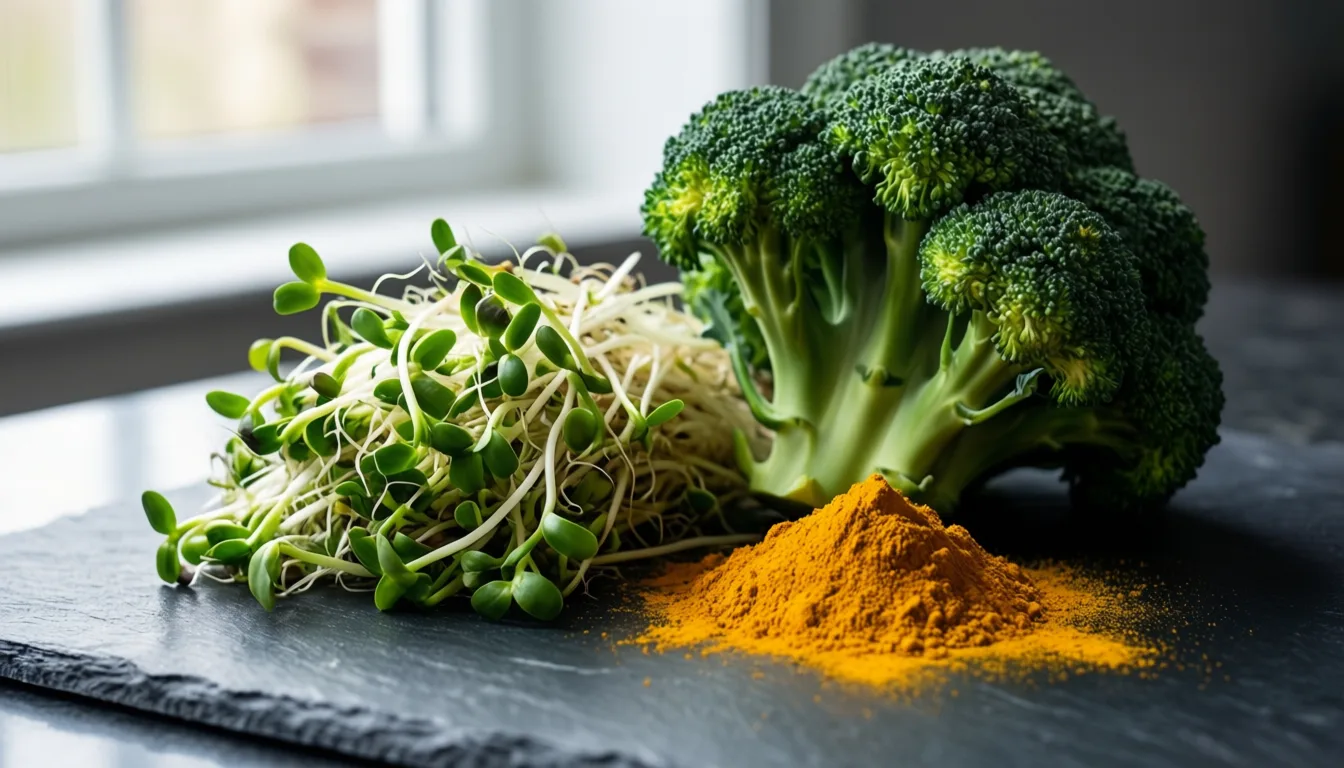
Walk into any serious gym and you'll find guys stacking creatine, whey, and electrolytes like it's a science. Walk into a geroscience lab and you'll find researchers asking a quieter question: which plant compounds actually move the needle on the cellular machinery that drives adaptation and aging? Two molecules keep showing up in that conversation — sulforaphane, the sulfur-rich phytochemical from broccoli sprouts, and curcumin, the yellow pigment in turmeric. Neither is a miracle. Both are interesting. And the newest data is worth a careful look before you reorganize your supplement shelf.
Here's the framing. Exercise is, at the cellular level, a controlled stress. You generate reactive oxygen species, and your cells respond by activating NRF2 — a master transcription factor that turns on antioxidant and detoxification genes. That redox response is a big part of why training makes you more resilient over time. The problem: as people age, that signal gets blunted. The hormetic punch lands softer.
That's the gap a 2025 GeroScience study set out to probe. Researchers recruited 25 older adults — average age 67 — and had them do a 30-minute cycling bout. They drew blood before and immediately after, isolated immune cells (PBMCs), and treated them with or without sulforaphane in a dish. Four conditions: control, sulforaphane alone, exercise alone, and exercise plus sulforaphane. Then they measured NRF2 activation and the downstream antioxidant genes it controls — NQO1, HO-1, GR, GCLC.
All three active conditions beat control. But the combination — acute exercise plus ex vivo sulforaphane — produced the largest NRF2 activation. In other words, in this small mechanistic study, the phytochemical didn't replace the exercise stimulus. It amplified it.
Why this matters — and why it doesn't (yet)
Read that paragraph again, because the design is doing a lot of work. The exercise happened in the human. The sulforaphane was added to the cells in a dish afterward. That's an elegant way to isolate mechanism, but it's not the same as proving that swallowing a broccoli-sprout capsule before your next ride will translate into better long-term adaptation. The authors are essentially saying: the biology is plausible, the signal is there, the older-adult redox deficit appears bridgeable. Whether oral sulforaphane in real humans, taken around real training, produces meaningful functional gains — that trial hasn't been run.
This is the part the supplement world routinely skips. A mechanistic win in PBMCs is a green light to keep investigating, not a green light to market.
The phytochemical didn't replace the exercise stimulus. It amplified it.
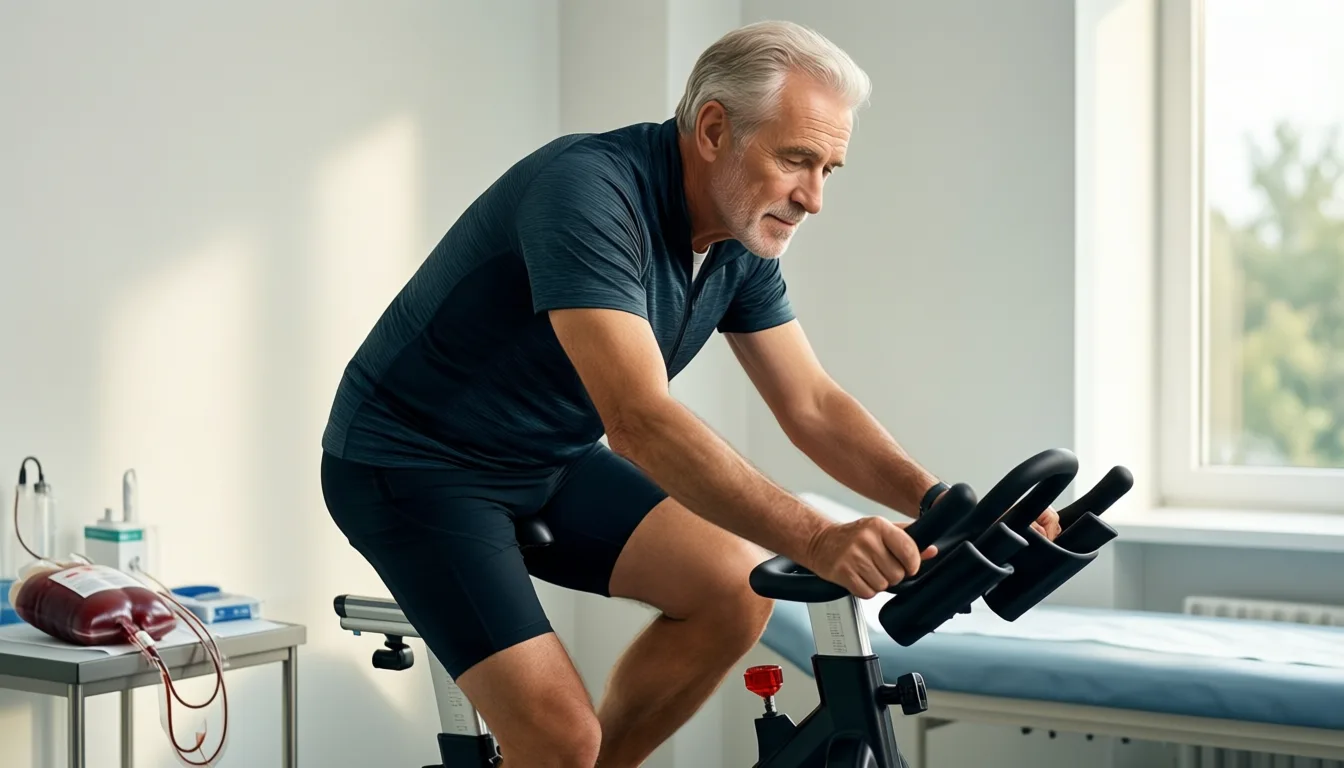
The study paired a 30-minute cycling bout with cell-level analysis — mechanism first, outcomes later.
Curcumin: 25 years of mechanism, one stubborn problem
Now the turmeric question. A 2025 narrative review in Nutrients synthesizes a quarter-century of work on curcumin and the aging brain — Alzheimer's, Parkinson's, post-stroke cognitive impairment. The mechanistic story is genuinely impressive. Curcumin appears to dampen oxidative stress, suppress inflammatory drivers like NF-κB, COX-2, and iNOS, modulate apoptosis, interfere with amyloid-beta aggregation, and upregulate BDNF — the neurotrophic factor that supports neuronal plasticity. It also touches autophagy and mitophagy, the cellular housekeeping pathways that decline with age.
In rodent models of Alzheimer's, Parkinson's, and ischemic stroke, the review notes dose-dependent neuroprotective effects, with results meaningfully improved when the compound is delivered via nanoparticle-based formulations. That last detail is the catch — and it's a big one.
Curcumin's oral bioavailability is famously poor. The molecule that does beautiful things in a Petri dish or a targeted delivery vehicle struggles to reach the brain in useful concentrations when you eat it. The review is candid about this: clinical translation has been limited precisely because the pharmacokinetics don't cooperate. Standard turmeric powder, even in generous amounts, isn't the same intervention as the engineered formulations producing the preclinical wins.
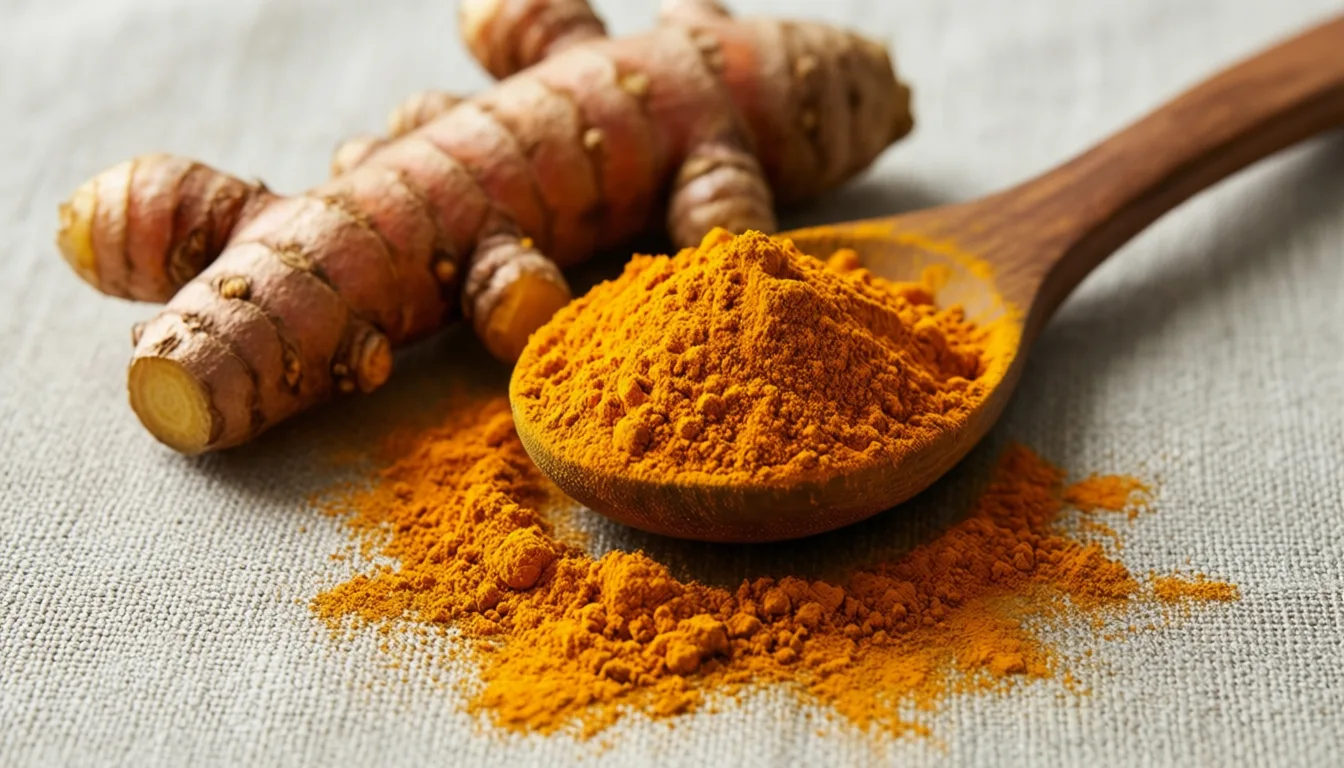
Curcumin's mechanistic résumé is long. Its oral bioavailability is the asterisk on every line.
How to think about this on the gym floor
If you're the kind of lifter who reads abstracts, here's the honest synthesis. Sulforaphane has a plausible, mechanistically grounded case as an adjunct to exercise in older adults, supported by a small in vivo–ex vivo human study. Curcumin has 25 years of preclinical neuroprotective mechanism behind it and a real translational ceiling imposed by bioavailability. Neither finding clears the bar for confident clinical recommendations. Both clear the bar for serious continued research.
What it doesn't mean: that capsules can substitute for training, sleep, or protein intake. What it does mean: the food matrix these compounds come from — cruciferous vegetables, turmeric used liberally in cooking — is a low-risk, high-reward dietary choice on its own merits, independent of any supplement marketing claim. Before adding a concentrated extract on top of medications or training plans, talk to a clinician who knows your bloodwork.
- Sulforaphane plus exercise > either alone — at least at the level of NRF2 activation in immune cells from older adults, in a small mechanistic study.
- The exercise was real; the sulforaphane was in a dish. Oral supplementation in training humans hasn't been tested to the same standard.
- Curcumin's mechanism list is long — anti-inflammatory, anti-amyloid, BDNF-supporting, autophagy-modulating — across AD, PD, and post-stroke models.
- Bioavailability is the wall. Most preclinical wins rely on engineered delivery, not the turmeric in your spice rack.
- Evidence rating: Early. Promising biology, limited human outcome data. Eat the vegetables; be skeptical of the capsules.
- Talk to a clinician before stacking concentrated extracts, especially alongside prescription medications.
Frequently asked questions
What did the 2025 GeroScience study actually find about sulforaphane and exercise?
Researchers tested four conditions in immune cells from 25 older adults (average age 67) who had completed a 30-minute cycling bout: control, sulforaphane alone, exercise alone, and exercise plus sulforaphane. All three active conditions outperformed the control, but the combination produced the largest NRF2 activation. The authors concluded that sulforaphane amplified the exercise stimulus rather than replacing it.
Why can't we say that taking a sulforaphane capsule before a workout will improve training results?
The study design had participants exercise in real life, then sulforaphane was added to their isolated immune cells in a dish afterward — it was not swallowed as an oral supplement. The article explicitly states that whether oral sulforaphane taken around real training produces meaningful functional gains is a trial that has not yet been run.
What is NRF2, and why does aging affect it?
NRF2 is described in the article as a master transcription factor that activates antioxidant and detoxification genes in response to the reactive oxygen species generated during exercise. As people age, that NRF2 signal gets blunted, meaning the hormetic benefit of training lands softer — which is the gap the sulforaphane research is trying to address.
Why hasn't curcumin's impressive preclinical record translated into proven clinical benefits?
The article identifies oral bioavailability as the central problem: curcumin struggles to reach the brain in useful concentrations when eaten. Most preclinical neuroprotective results were achieved using engineered nanoparticle-based delivery formulations, which are not the same intervention as standard turmeric powder or typical supplements.
What does the article say someone should do if they are thinking about adding these compounds to their routine?
The article describes eating the food sources — cruciferous vegetables and turmeric used liberally in cooking — as a low-risk, high-reward choice on its own merits. It advises talking to a clinician before adding concentrated extracts, especially alongside prescription medications, and cautions that capsules cannot substitute for training, sleep, or adequate protein intake.