
In This Issue

Peptides
-
 GLP-1s Beyond Weight Loss: What the New Heart, Muscle, and Oral-Delivery Data Actually Show
GLP-1 receptor agonists are sprawling past diabetes and obesity into cardiovascular protection, body-composition debates, and pill-form delivery. Here is what the latest wave of evidence supports — and what it doesn't.
GLP-1s Beyond Weight Loss: What the New Heart, Muscle, and Oral-Delivery Data Actually Show
GLP-1 receptor agonists are sprawling past diabetes and obesity into cardiovascular protection, body-composition debates, and pill-form delivery. Here is what the latest wave of evidence supports — and what it doesn't.
-
 Tirzepatide's Expanding Frontier: Lipids, Brain Pressure, and a New Safety Signal
The dual GIP/GLP-1 agonist is moving past weight loss into lipid repair and intracranial pressure relief. But a small case series flags a risk off-label users haven't been warned about.
Tirzepatide's Expanding Frontier: Lipids, Brain Pressure, and a New Safety Signal
The dual GIP/GLP-1 agonist is moving past weight loss into lipid repair and intracranial pressure relief. But a small case series flags a risk off-label users haven't been warned about.

Vitality Capacity: How Lifelong Movement May Reprogram the Aging Body
A new French trial is testing whether decades of exercise preserve a unified signature of biological youth — and population data on diabetes mortality suggests the stakes are higher than we thought.
For most of the past century, the science of aging has been a science of fragmentation. Cardiologists watched arteries stiffen. Immunologists charted the slow exhaustion of T cells. Endocrinologists tracked the drift toward insulin resistance. Geriatricians measured grip strength and gait speed. Each specialty mapped its own corner of the decline, and the maps rarely overlapped. But a quieter idea has been gathering force in European longevity labs — that these trajectories are not separate at all, but coordinated expressions of a single underlying property of the organism. They are calling it vitality capacity, and a new clinical study out of Nice is asking the most provocative question the framework allows: can a lifetime of movement keep it intact?
The concept emerges from a frustration with how we define healthy aging. Chronological age is a blunt instrument; biological age, measured by epigenetic clocks or inflammatory markers, is more sophisticated but still narrow. Vitality capacity proposes something broader: a composite signature drawn from neuromuscular function, immunometabolic regulation, and the body's response to physiological stress. The premise is that these domains rise and fall together, and that the same cellular machinery — particularly the metabolism of immune cells — sits beneath all three.
That premise is now being tested formally. A clinical trial registered by the Centre Hospitalier Universitaire de Nice is recruiting forty healthy adults over the age of 55, split evenly between people who have sustained regular physical activity for the past three decades and those who have not. Investigators will profile each participant's neuromuscular performance, metabolism, and immune and stress responses, with particular attention to T-lymphocyte metabolism as a candidate mechanism linking lifelong exercise to preserved vitality. It is a small study, and a comparative one rather than an interventional trial, so its findings will be suggestive rather than definitive. But the design is unusually honest about what it is trying to do: not isolate a molecule, but interrogate a system.
The T-cell hypothesis
Why immune cells? Because they sit at a crossroads. T lymphocytes are not only the sentinels of infection and cancer surveillance; they are also extraordinarily metabolically active, switching between glycolysis and oxidative phosphorylation as they shift between rest and activation. Their mitochondria are workhorses, and their behavior tracks systemic inflammation, tissue repair, and even neuromuscular signaling. When T-cell metabolism falters with age — a phenomenon sometimes called immunosenescence — the downstream effects ripple into muscle, brain, and vasculature.
The Nice researchers are betting that lifelong exercisers carry T cells that look, metabolically, younger than their birth certificates suggest. If that hypothesis holds, it would offer a unifying mechanism for observations clinicians have long noted anecdotally: that habitually active older adults seem to recover faster from illness, maintain leaner body composition, and preserve cognitive sharpness for longer. None of that is proven by a forty-person comparative study. But proving the mechanism is the first step toward designing therapies — pharmacological, behavioral, or both — that target it.

Immune cells, particularly T lymphocytes, may sit at the metabolic crossroads where exercise, aging, and disease risk converge.
Vitality capacity proposes that neuromuscular, immune, and metabolic aging are not separate trajectories but coordinated expressions of a single underlying property. On the Nice framework
What population data already tells us
If the Nice study is the mechanistic frontier, the epidemiology is more settled — though more nuanced than the wellness industry sometimes suggests. An analysis drawing on the National Health and Nutrition Examination Survey examined how meeting the federal physical activity guidelines maps onto diabetes-related mortality. The investigators looked at 13,350 adults and sorted them into six categories based on whether they met the aerobic recommendation, the muscle-strengthening recommendation, both, or neither. The dependent variable was death with diabetes as a primary or underlying cause.
The headline result is striking — and instructive about the limits of the data. After adjustment for covariates, significant risk reduction was found in adults who met the aerobic activity guideline without meeting the muscle-strengthening guideline, with a hazard ratio of 0.57. That is a 43 percent lower risk of diabetes-related death associated with sufficient aerobic activity alone. Notably, the other categories — including those who met both guidelines — did not reach statistical significance in this particular analysis, which the authors attribute partly to sample sizes within subgroups and the complex behavioral patterns of guideline adherence. The signal for aerobic activity, however, is consistent with a deep literature linking cardiorespiratory fitness to metabolic health.
Reading the two studies together
Placed side by side, the Nice trial and the NHANES analysis offer something more useful than either alone. The epidemiology tells us that aerobic activity tracks with lower mortality from a metabolic disease that itself accelerates nearly every dimension of aging. The mechanistic trial proposes a candidate explanation for why: that movement preserves the immunometabolic machinery — particularly T-cell metabolism — that holds the body's regulatory systems in balance. Neither study, on its own, justifies sweeping claims. The Nice trial is small and observational in spirit. The NHANES analysis is large but cannot prove causation, and its category-by-category results are uneven.
What the pair does justify is a sharper way of thinking about exercise as a longevity intervention. Movement is not simply burning calories or building muscle. It is, plausibly, a sustained input that keeps a coordinated biological signature from drifting. That framing is more demanding than the usual prescriptions, because it implies the dose matters less than the duration — decades, not weeks. It is also more forgiving, because it suggests that even imperfect, intermittent activity over a long horizon may compound in ways short-term metrics cannot capture.

- Vitality capacity is an emerging framework that treats neuromuscular, immune, and metabolic aging as one coordinated signature rather than three separate trajectories.
- A French clinical study is examining whether lifelong exercisers preserve this signature through differences in T-cell metabolism — a small, comparative design that will be suggestive, not definitive.
- NHANES data link meeting the aerobic physical activity guideline to a 43% lower risk of diabetes-related mortality in adjusted models, though results across all activity categories were uneven.
- Aerobic activity has the strongest single-domain evidence here; the broader benefit of combining aerobic and resistance work remains biologically plausible but underpowered in this particular analysis.
- The takeaway is duration, not intensity: the signal is consistent with sustained activity over decades acting on systems that fragment when sedentary.
- This is not medical advice. Anyone considering significant changes to their activity, especially with existing conditions, should work with a clinician.
None of this rewrites the rulebook. The recommendation to move regularly, in ways that combine aerobic effort and resistance, has been stable for a generation. What is changing is the resolution of our explanation for why it works. The vitality capacity framework, if it survives empirical scrutiny, suggests that exercise's benefits are not a list of organ-specific perks but a single, coordinated effect on the cellular systems that hold biological aging in check. That is a more elegant theory than we have had — and a more demanding one, because it implies the work is not optional and not brief. The Nice investigators are betting that the body keeps a ledger, and that lifelong movement is the entry that keeps the rest of the numbers honest.
Frequently asked questions
What is vitality capacity, and why is it different from biological age?
Vitality capacity is a composite signature drawn from neuromuscular function, immunometabolic regulation, and the body's response to physiological stress, with the premise that these domains rise and fall together. Biological age, measured by epigenetic clocks or inflammatory markers, is described in the article as more sophisticated than chronological age but still narrow — vitality capacity proposes something broader by treating these aging trajectories as coordinated expressions of a single underlying property of the organism.
What exactly is the Nice clinical trial studying?
The Centre Hospitalier Universitaire de Nice trial is recruiting forty healthy adults over 55, split evenly between people who have sustained regular physical activity for the past three decades and those who have not. Investigators will profile each participant's neuromuscular performance, metabolism, and immune and stress responses, with particular attention to T-lymphocyte metabolism as a candidate mechanism linking lifelong exercise to preserved vitality.
Why are T cells central to this research?
T lymphocytes are described as extraordinarily metabolically active, switching between glycolysis and oxidative phosphorylation as they shift between rest and activation, and their behavior tracks systemic inflammation, tissue repair, and even neuromuscular signaling. When T-cell metabolism falters with age — a phenomenon the article calls immunosenescence — the downstream effects ripple into muscle, brain, and vasculature, making them a plausible unifying mechanism across multiple dimensions of aging.
What did the NHANES analysis find about aerobic activity and diabetes-related death?
After adjustment for covariates, adults who met the aerobic activity guideline without meeting the muscle-strengthening guideline had a hazard ratio of 0.57 for diabetes-related mortality — a 43 percent lower risk compared to those who did not. Notably, other categories, including those who met both guidelines, did not reach statistical significance in this analysis, which the authors attribute partly to sample sizes within subgroups.
Does it matter more how long you've been active or how intensely you exercise?
According to the article's interpretation of the two studies together, the framing suggests the dose matters less than the duration — meaning decades of activity, not weeks. The article also notes this framing is more forgiving because even imperfect, intermittent activity over a long horizon may compound in ways that short-term metrics cannot capture.
Sources
- Sedentary or Exercised : Neuromuscular and Immunometabolic Observations and Retrospection — Centre Hospitalier Universitaire de Nice
- The Physical Activity Guidelines and Diabetes-Related Mortality: National Health and Nutrition Examination Survey 1999-2006. — Metabolic syndrome and related disorders

GLP-1s Beyond Weight Loss: What the New Heart, Muscle, and Oral-Delivery Data Actually Show
GLP-1 receptor agonists are sprawling past diabetes and obesity into cardiovascular protection, body-composition debates, and pill-form delivery. Here is what the latest wave of evidence supports — and what it doesn't.
The GLP-1 story stopped being about appetite a while ago. What started as a diabetes drug and detoured through obesity is now pushing into territory that matters to any 40-year-old paying attention to his arteries, his muscle, and the trade-offs that come with a weekly injection. Four new pieces of evidence — a body-composition meta-analysis, two mouse studies on the heart and aorta, a post-hoc look at who quits the drug, and a first credible oral formulation — give us the clearest read yet on where this class is actually going. The honest summary: the upside is real, the caveats are specific, and the hype is still ahead of the data.
- Lean mass is a real cost, not a myth. A 2025 network meta-analysis found GLP-1 weight loss is roughly 25% lean mass — but the percentage of lean mass relative to total body composition didn't change.
- Not all GLP-1s hit muscle the same way. Tirzepatide and semaglutide drove the biggest fat loss but were among the worst for preserving lean mass; liraglutide was the only agent to drop weight without significantly cutting lean mass.
- Cardiovascular signals are expanding — in mice. Liraglutide blunted abdominal aortic aneurysm progression and partially prevented diastolic dysfunction in separate 2024 mouse studies.
- Tolerance, not just efficacy, decides who stays on. In type 1 diabetes trials, lower BMI and longer disease duration predicted dropout.
- An oral version is closer than it was. A nanomicelle liraglutide formulation hit 4.6× higher bioavailability than unformulated drug in rats — promising, but preclinical.
The body-composition question, finally answered with numbers
If you are 40, lifting three days a week, and eyeing a GLP-1 for the last stubborn 15 pounds, the lean-mass question is the one that matters. A 2025 systematic review and network meta-analysis pooled 22 randomized trials and 2,258 participants and put real numbers on it. Across the class, GLP-1 receptor agonists cut total body weight by about 3.55 kg, fat mass by 2.95 kg, and lean mass by 0.86 kg — meaning roughly a quarter of the weight you lose is lean tissue.
That sounds alarming, but the same analysis offers a more nuanced read: the relative proportion of lean mass — lean as a share of total body composition — didn't budge. You're getting smaller proportionally, not selectively wasting muscle. Whether that distinction holds up over years, in non-trial populations, and in men who aren't simultaneously progressing in the gym, is a separate question the data can't yet answer.
The drug-by-drug breakdown is where this gets practical. Tirzepatide at 15 mg weekly and semaglutide at 2.4 mg weekly were the most effective for shedding weight and fat — and among the least effective at preserving lean mass. Liraglutide, at the higher 3.0 mg or 1.8 mg doses, was the only GLP-1 in the analysis to deliver significant weight loss without a significant hit to lean mass. That is not a reason to write off the newer, more potent agents — they work — but it is a reason to take resistance training and protein intake seriously if you're using one.

Resistance training is the obvious lever for anyone using a potent GLP-1 — the meta-analytic evidence suggests it is roughly a quarter of the weight loss that's at stake.
Heart signals — promising, but still mouse-stage
Two 2024 mouse studies tighten the link between GLP-1 signaling and the cardiovascular system, and both deserve to be read for what they are: mechanistic preclinical work, not human outcomes.
In the first, researchers induced abdominal aortic aneurysms in mice and then gave daily liraglutide starting at 7, 14, or 28 days after induction. Liraglutide reduced aneurysm dilation, slowed elastin degradation, and tamped down vascular inflammation and oxidative stress — and the earlier the drug was given, the better the result. That timing signal is the interesting part. It suggests the protective effect isn't just about pressure or weight; it's about catching an inflammatory remodeling process before it locks in.
The second study looked at diastolic dysfunction — the stiff-heart pattern that drives heart failure with preserved ejection fraction, a syndrome that disproportionately affects middle-aged men with metabolic baggage. Mice given angiotensin II developed predictable diastolic dysfunction; mice given angiotensin II plus liraglutide were partially protected. The proposed mechanism is unusual: liraglutide-treated hearts showed higher protein synthesis and amino-acid accumulation, suggesting that faster protein turnover may protect against the fibrotic remodeling that stiffens the ventricle. The catch — and the authors flagged it — is that those same mice lost lean muscle, raising the uncomfortable possibility that the heart was scavenging amino acids from peripheral muscle.
The earlier liraglutide was given, the better the aortic outcome. That timing signal is the interesting part.
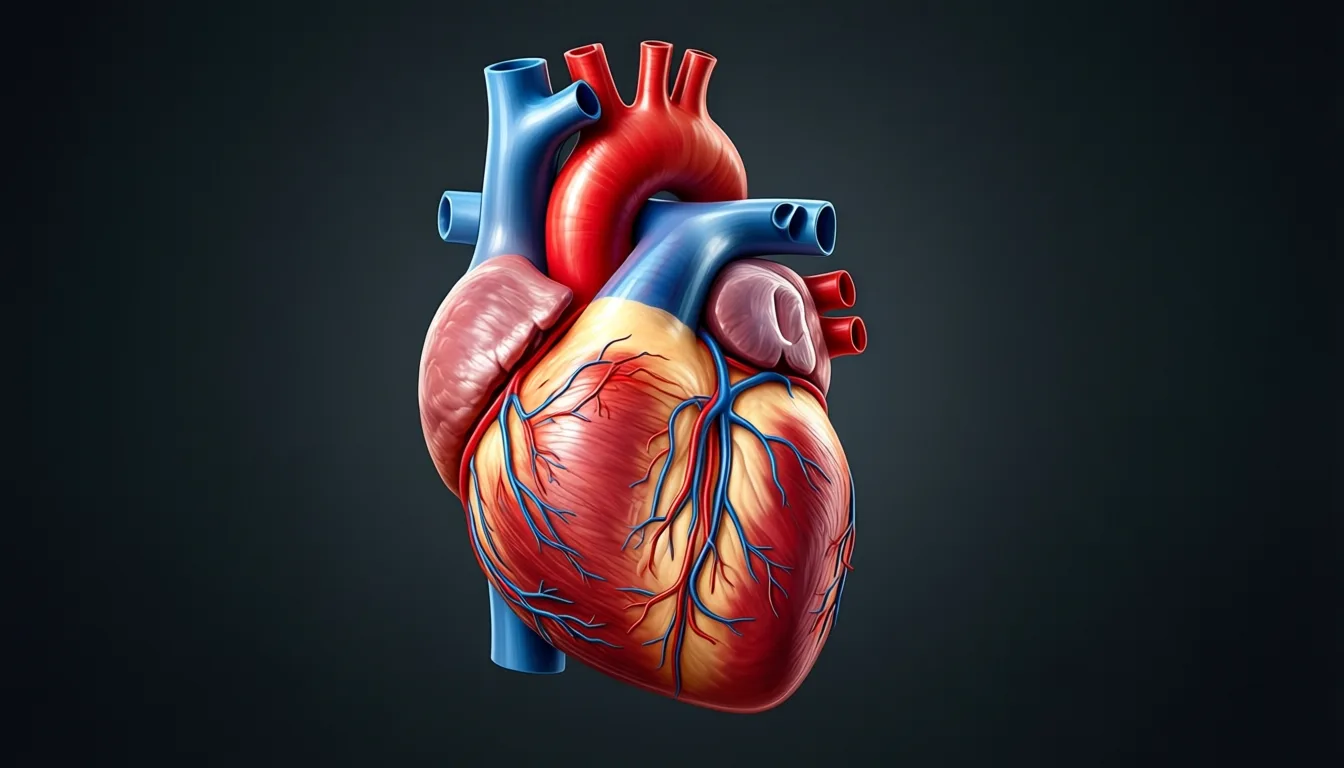
Mouse data point to two distinct cardiovascular effects of liraglutide: slowing aneurysm progression in the aorta and partially preventing the stiff-heart pattern that underlies HFpEF.
Who actually stays on the drug
Efficacy is one story; tolerance is another. A post-hoc analysis of the ADJUNCT ONE and ADJUNCT TWO trials — both testing liraglutide as an add-on to insulin in type 1 diabetes — looked at who dropped out and why. Non-completers had lower baseline BMI, longer duration of diabetes, lower insulin doses, and a higher proportion with undetectable C-peptide. Within the liraglutide arm specifically, longer disease duration and C-peptide status were the differentiators.
The takeaway for a general reader is not about T1D — it's about the principle. The people most likely to quit a GLP-1 were leaner and had less metabolic reserve. That maps onto a pattern clinicians are starting to recognize: the further you get from the obesity-and-insulin-resistance phenotype these drugs were optimized for, the more side-effect noise you encounter relative to benefit. Anyone weighing GLP-1 use should have that conversation with a clinician honestly, not aspirationally.
The pill problem, possibly cracked
Peptide drugs have a delivery problem: stomach acid and gut enzymes destroy them before they can be absorbed, which is why GLP-1s have historically meant injections. One 2024 paper takes a serious run at the problem. Researchers built an oral liraglutide formulation by electrostatically complexing the drug with bile acid derivatives and packaging it into nanomicelles using a non-ionic surfactant. The optimized formulation hit a mean particle size around 76 nm and showed permeability roughly 1,347% higher than unformulated liraglutide in a Caco-2/HT29 gut-cell model. In rats, oral bioavailability rose to about 5.14% — a 4.63-fold improvement over the unformulated drug.
Over 12 weeks of oral dosing, treated rats showed lower glycohemoglobin, lower HOMA-IR insulin-resistance scores, reduced white adipose tissue, and — interestingly — greater activation of brown adipose tissue than rats getting the standard subcutaneous injection. That last finding is intriguing because BAT activation is a different metabolic lever than appetite suppression, and it hints that oral delivery routes may interact with metabolism differently than the subcutaneous route we've assumed is the gold standard.
None of this is in humans yet. But it is a credible mechanistic blueprint for a pill version of a peptide that, until recently, the field largely conceded would always need a needle.
Bile-acid–based nanomicelles boosted oral liraglutide bioavailability 4.6-fold in rats — a meaningful proof-of-concept for peptide pills.
What this actually changes for you
The headline reframing: GLP-1s are becoming a multi-organ platform, not a weight-loss class. The body-composition data is the strongest of the four — it's human, randomized, and meta-analyzed — and it argues that if you use the most potent agents, you treat resistance training and protein as non-negotiable, not optional. The cardiovascular signals are real but preclinical; treat them as reasons to watch the next round of human trials, not as reasons to act now. The oral formulation work matters more for the field than for any individual reader this year, but it does suggest that the injection era of GLP-1s may be shorter than expected.
What it does not change: this is still a prescription drug class with a real side-effect profile, real costs, and a real set of people for whom the risk-benefit math doesn't pencil out. The post-hoc dropout data is a quiet reminder that the people the drug works least gracefully for are often the people most eager to try it. If a GLP-1 is on your shortlist, the right move is a candid conversation with a clinician who knows your metabolic baseline — not a Reddit thread and not this article.
Frequently asked questions
How much of the weight lost on GLP-1s is lean mass versus fat?
A 2025 network meta-analysis of 22 randomized trials found that across the GLP-1 class, roughly 25% of weight lost is lean tissue rather than fat. However, the same analysis found that the relative proportion of lean mass as a share of total body composition did not change, meaning users become proportionally smaller rather than selectively losing muscle.
Which GLP-1 drug is best at preserving lean mass?
Liraglutide was the only agent in the meta-analysis to deliver significant weight loss without a significant reduction in lean mass. By contrast, tirzepatide and semaglutide — the most effective drugs for shedding total weight and fat — were among the least effective at preserving lean mass.
What did recent research find about GLP-1s and heart health?
Two 2024 mouse studies found that liraglutide slowed abdominal aortic aneurysm progression and partially protected against diastolic dysfunction, the stiff-heart pattern that underlies heart failure with preserved ejection fraction. These findings are preclinical, and human trials in those specific indications have not yet reported results.
Who is most likely to drop out of GLP-1 treatment?
A post-hoc analysis of liraglutide trials found that people with lower baseline BMI, longer disease duration, lower insulin doses, and less metabolic reserve were most likely to discontinue. The article notes this reflects a broader pattern: the further a person is from the obesity-and-insulin-resistance profile these drugs were designed for, the more side-effect noise they tend to encounter relative to benefit.
Is an oral GLP-1 formulation available yet?
Not on the delivery platform described in the article. A nanomicelle liraglutide formulation achieved 4.6 times higher bioavailability than unformulated drug in rats, but this research is preclinical — no oral liraglutide on this platform has been approved.
Sources
- Effect of glucagon-like peptide-1 receptor agonists and co-agonists on body composition: Systematic review and network meta-analysis. — Metabolism: clinical and experimental
- Glucagon-Like Peptide-1 Inhibits the Progression of Abdominal Aortic Aneurysm in Mice: The Earlier, the Better. — Cardiovascular drugs and therapy
- Liraglutide Protects Against Diastolic Dysfunction and Improves Ventricular Protein Translation. — Cardiovascular drugs and therapy
- Determinants of Liraglutide Treatment Discontinuation in Type 1 Diabetes: A Post Hoc Analysis of ADJUNCT ONE and ADJUNCT TWO Randomized Placebo-Controlled Clinical Studies. — Journal of diabetes science and technology
- An oral liraglutide nanomicelle formulation conferring reduced insulin-resistance and long-term hypoglycemic and lipid metabolic benefits. — Journal of controlled release : official journal of the Controlled Release Society
Tirzepatide's Expanding Frontier: Lipids, Brain Pressure, and a New Safety Signal
The dual GIP/GLP-1 agonist is moving past weight loss into lipid repair and intracranial pressure relief. But a small case series flags a risk off-label users haven't been warned about.
Tirzepatide arrived as a weight-loss story, but the data trail it is leaving behind is more interesting than the headlines. The molecule — a once-weekly peptide that activates both the GIP and GLP-1 incretin receptors — is now being studied in places no one expected it to go: lipid panels that wouldn't budge on statins alone, the cerebrospinal fluid pressure inside the skulls of women with idiopathic intracranial hypertension, and, less happily, emergency rooms in Kuwait, where a small cluster of non-diabetic patients showed up in hypoglycemic ketoacidosis after dose escalations. For the quantified-self crowd watching this peptide ride the same off-label curve as semaglutide, the picture is becoming both broader and sharper at once.
- Lipids respond. A meta-analysis of 13 randomized trials found tirzepatide improved cholesterol and triglyceride markers with a visible dose-response across 5, 10 and 15 mg.
- A new neurological signal. In a propensity-matched real-world cohort of 193 patients with idiopathic intracranial hypertension, tirzepatide was associated with sharply lower papilledema and visual-disturbance risk at 24 months.
- An emerging risk. Clinicians have documented hypoglycemic ketoacidosis in four non-diabetic patients using tirzepatide off-label for weight loss, typically after dose escalation.
- The evidence is moderate, not settled. Real-world cohorts and case series are hypothesis-generating; none of these uses are yet established standards of care.
- Off-label is not consequence-free. Self-directed dose titration without clinician oversight is where the safety signal lives.
The lipid story: more than a weight-loss side effect
The most quantifiable of tirzepatide's expanding effects shows up on a standard lipid panel. A 2024 systematic review and meta-analysis published in the Journal of Obesity & Metabolic Syndrome pooled data from 13 randomized controlled trials and concluded that tirzepatide was "efficacious at improving all lipid markers, including cholesterol and triglycerides," with a clear dose-response trend across the 5, 10 and 15 mg groups. Nine of the included trials carried a low risk of bias; two were rated moderate and two high, which is the honest texture of any meta-analysis in a fast-moving field.
That dose-response matters. It is the kind of pattern that makes a pharmacologist sit up: a graded biological signal rather than a flat effect that might just be the downstream consequence of weight loss. The authors stop short of declaring tirzepatide a lipid drug — and so should we — but they note the growing evidentiary case for its use in metabolic syndrome and obesity beyond glycemic control alone.

Across 13 randomized trials, tirzepatide moved the standard lipid markers in the right direction — with a dose-response that's hard to attribute to weight loss alone.
A graded biological signal — the kind of pattern that makes a pharmacologist sit up.
Into the skull: a surprising neurological turn
Idiopathic intracranial hypertension (IIH) is a disorder of unexplained elevated pressure inside the skull. It predominantly affects obese women of reproductive age, and its complications — papilledema, visual loss, intractable headache — are the kind that send patients to neuro-ophthalmology clinics rather than weight-loss clinics. GLP-1 agonists have already shown signal here. The newer question is what happens when you add GIP into the mix.
A retrospective cohort study using the TriNetX Global Health Research Network, posted in late 2024, took a first look. The investigators used propensity score matching to compare 193 tirzepatide-exposed IIH patients with 193 controls receiving standard care. At 24 months, the tirzepatide group showed a 68% reduction in papilledema risk, a 73.9% reduction in visual disturbance and blindness risk, and a smaller but statistically significant 19.7% reduction in headache risk. Body mass index dropped by about 1.15 kg/m² versus controls.
Two caveats are worth holding in the same hand as those numbers. First, this is a real-world observational study — propensity matching narrows the gap with a randomized trial but does not close it. Second, it is a preprint, not yet peer-reviewed at the time of writing. The findings are hypothesis-generating; they are not a green light to add tirzepatide to an IIH protocol. But for a condition with few good pharmacologic options, the effect sizes are striking enough to deserve a prospective trial.

Papilledema — swelling of the optic disc from raised intracranial pressure — is the marker that dropped most sharply in the tirzepatide-exposed IIH cohort.
The safety signal nobody wanted
And then the other side of the ledger. A 2024 case series in The American Journal of Case Reports documents four non-diabetic patients with obesity in Kuwait who developed hypoglycemic ketoacidosis after starting tirzepatide for weight reduction. All four were women, ages 17 to 34, with BMIs in the low-30s. Three presented in week 5 of treatment, typically after a dose escalation to 5 mg. The clinical picture was consistent: abdominal pain, vomiting, sometimes diarrhea, a median blood glucose under 3.89 mmol/L, and a high anion gap metabolic acidosis with ketosis. All four required inpatient IV fluids and correction of hypoglycemia.
The authors' working hypothesis is mechanistic and pointed: starvation. Tirzepatide's appetite-suppression and gastric-slowing effects can drive a profound caloric deficit; in a non-diabetic patient with no insulin resistance to absorb the incretin signal, that can tip into hypoglycemia and ketogenesis. Four cases in one center is not an incidence rate. But it is a coherent enough pattern that the authors recommend measuring urine and serum ketones in any patient on a dual GIP/GLP-1 agonist who shows up with gastrointestinal symptoms.
For the off-label crowd, that recommendation lands differently than for an endocrinologist. The pattern in these cases — symptom onset around a dose escalation, in users who were eating less than the drug's pharmacology accounted for — is precisely the failure mode self-titration produces.
In a non-diabetic patient with no insulin resistance to absorb the incretin signal, the deficit can tip into hypoglycemia and ketogenesis. Bitar et al., 2024
Reading the moderate-evidence map
Put the three studies side by side and a useful map emerges. The lipid meta-analysis is the strongest piece of evidence — randomized trial data, pooled, with dose-response. The IIH cohort is the most surprising and clinically intriguing, but its design (retrospective, observational, preprint) demands a prospective trial before anything changes at the bedside. The hypoglycemic ketoacidosis series is the smallest dataset but, paradoxically, the most actionable: case reports are how rare drug-related harms first surface, and four convergent presentations in non-diabetic off-label users is the kind of signal regulators and prescribers take seriously.
The through-line is that tirzepatide's pharmacology — dual incretin activation, profound effects on appetite and gastric emptying, downstream metabolic shifts — has consequences well beyond glucose and weight. Some of those consequences look beneficial in ways the original trials did not measure. Others are the predictable downside of a molecule that powerfully suppresses caloric intake, in people whose physiology was not the development program's target population.
None of this is settled. The evidence rating on this story is moderate for a reason: the most exciting findings are real-world or preprint, and the safety signal is, for now, a handful of cases. What is settled enough to say plainly: tirzepatide is doing more than the label describes, in both directions, and the people most exposed to that asymmetry are the ones titrating it themselves.
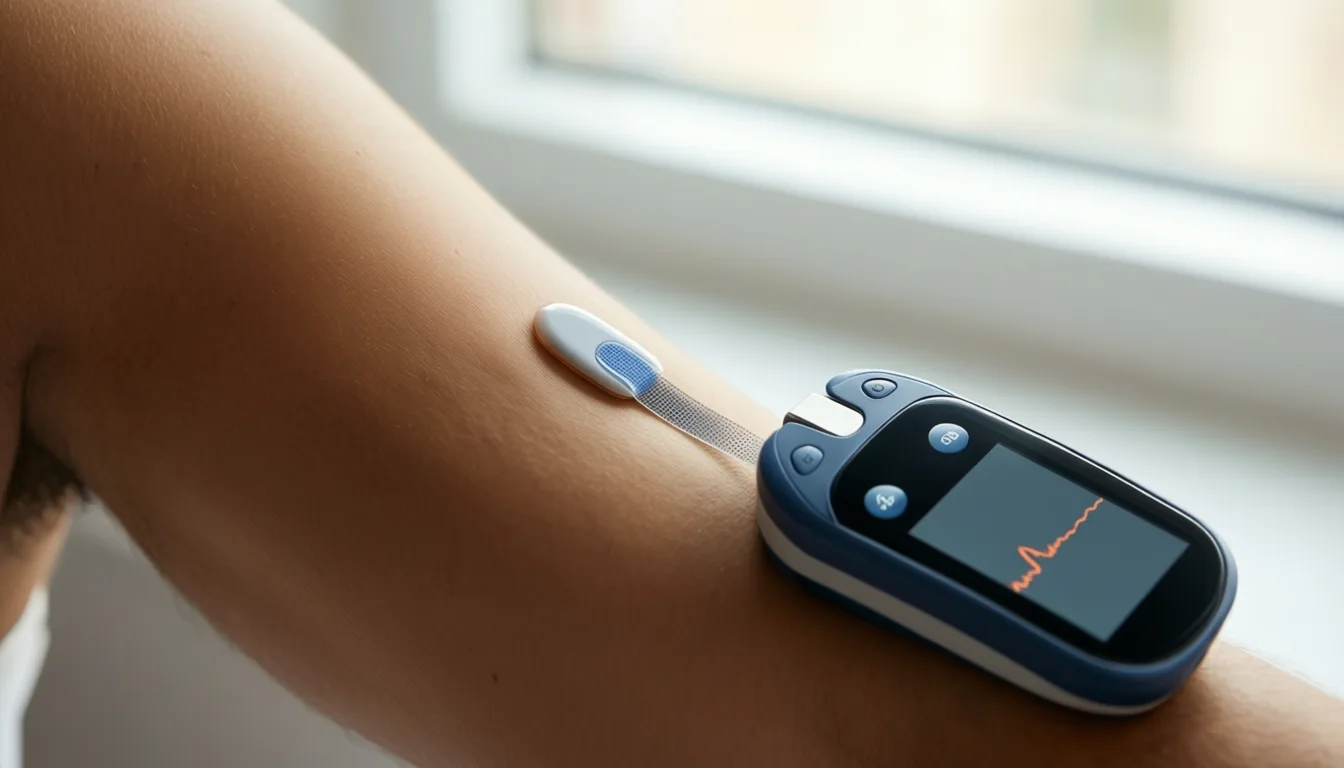
For self-experimenters, a continuous glucose monitor is the kind of instrument that would catch the asymptomatic dips the Kuwait case series describes — but only a clinician can interpret the full picture.
Frequently asked questions
How does tirzepatide work?
Tirzepatide is a once-weekly peptide that activates both the GIP and GLP-1 incretin receptors. Its appetite-suppression and gastric-slowing effects can drive a significant caloric deficit in users.
What did research find about tirzepatide's effects on cholesterol and triglycerides?
A 2024 meta-analysis pooling data from 13 randomized controlled trials concluded that tirzepatide improved all lipid markers, including cholesterol and triglycerides, with a clear dose-response trend across the 5, 10, and 15 mg groups. Nine of the included trials carried a low risk of bias.
What is idiopathic intracranial hypertension, and what did the tirzepatide study find?
Idiopathic intracranial hypertension is a disorder of unexplained elevated pressure inside the skull that predominantly affects obese women of reproductive age, with complications including papilledema, visual loss, and intractable headache. A propensity-matched cohort study of 193 tirzepatide-exposed patients found a 68% reduction in papilledema risk, a 73.9% reduction in visual disturbance and blindness risk, and a 19.7% reduction in headache risk at 24 months compared to controls.
What safety concern has been documented in non-diabetic people using tirzepatide for weight loss?
A 2024 case series documented four non-diabetic patients with obesity who developed hypoglycemic ketoacidosis after starting tirzepatide for weight reduction. All four were women aged 17 to 34, and three presented in week 5 of treatment, typically after a dose escalation to 5 mg, with symptoms including abdominal pain, vomiting, low blood glucose, and high anion gap metabolic acidosis with ketosis.
What do the authors of the Kuwait case series suggest clinicians do when a tirzepatide user presents with gastrointestinal symptoms?
The authors recommend measuring urine and serum ketones in any patient on a dual GIP/GLP-1 agonist who presents with gastrointestinal symptoms, rather than assuming the symptoms reflect a simple GI side effect.
Sources
- The Effects of Tirzepatide on Lipid Profile: A Systematic Review and Meta-Analysis of Randomized Controlled Trials. — Journal of obesity & metabolic syndrome
- Efficacy of Tirzepatide Dual GIP/GLP-1 Receptor Agonist In Patients with Idiopathic Intracranial Hypertension. A Real-World Propensity Score-Matched Study. — medRxiv : the preprint server for health sciences
- Exploring Hypoglycemic Ketoacidosis in Nondiabetic Patients on Tirzepatide: Is Starvation the Culprit? — The American journal of case reports