Aging Clocks Go Multi-Omics: The Next Generation of Biological Age Tests
Epigenetic age tests were just the prototype. A new wave of clocks stitches together DNA, proteins, metabolites, and microbes — and AI is the thread.
Press Enter to search · Esc to close
Epigenetic age tests were just the prototype. A new wave of clocks stitches together DNA, proteins, metabolites, and microbes — and AI is the thread.
A new review argues the drugs only do half the work. The other half — protein, symptom management, and a maintenance plan — happens on the plate.
AstraZeneca's once-daily small molecule posts placebo-controlled weight-loss data in The Lancet — and hints at a future where the obesity revolution doesn't require a needle.
Two new trials in The Lancet put the first credible oral, non-peptide GLP-1 drugs on the runway — a shift that could change who actually gets access to this class.
A new review proposes cognitive aging unfolds as a decades-long sequence — and that a midlife branch point may be the window where intervention matters most.
A massive new target-trial emulation hints that semaglutide and tirzepatide may do more than shrink waistlines — they may quietly cut the odds of obesity-driven cancers. Here's what the data actually say.
A new narrative review pulls together population data from five continents and finds the liver behaves very differently depending on your hormones, your fat distribution, and your decade of life.
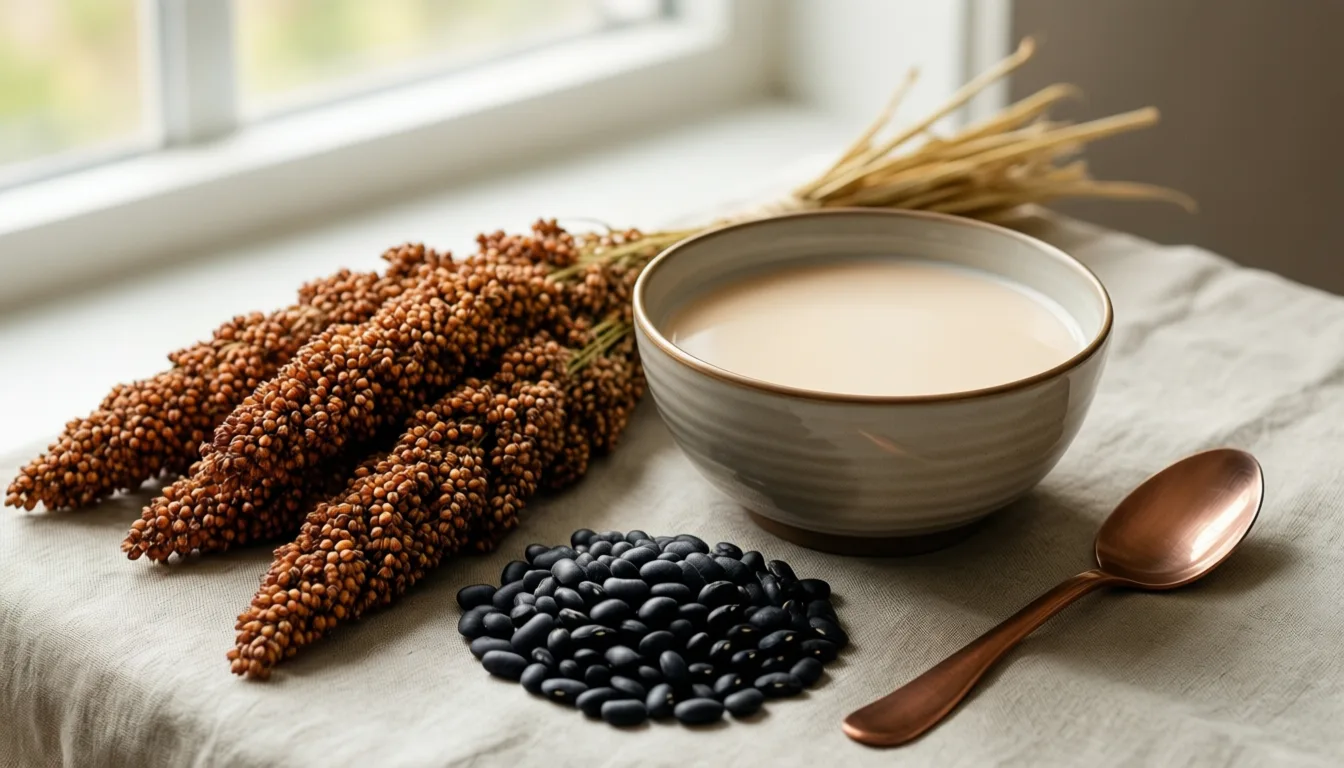
A small but methodologically rigorous crossover trial measured how well young and older adults extract amino acids from milk, sorghum, and black beans — and the answer depends on the food.
A long-running U.S. cohort study links weaker odor identification in older adults with later losses in balance, gait and grip — strengthening the case for smell as a low-cost biomarker of aging.
Two 2026 studies move the Med-Diet story from epidemiology toward mechanism, pointing to mitochondrial microproteins and a reshaped gut microbiota as plausible reasons the pattern protects the heart and brain.
Weekly Issue — 2026-06-21
A fully edited edition — 7 stories chosen and sequenced by the desk, with a cover, a contents page and a long-read flow. The whole magazine, in one sitting.
A 23,000-adult Chinese study suggests high-sensitivity CRP, a routine inflammation marker, tracks who slides into — and out of — metabolic syndrome. For parents juggling everything, it may be a useful early signal.
A new analysis of more than 7,500 older adults suggests very high HDL — long sold as the 'good' cholesterol — may track with lower cognitive scores. Here's what tired parents need to know about their own labs (and their parents' labs).
A new post-hoc analysis tracks inflammatory and immune markers in adults with type 2 diabetes for two years on a carb-restricted, ketogenic plan — and the signal goes well beyond blood sugar.
Press play and let the research come to you — each story read aloud in a natural voice, by the same writer every time. Built for the commute, the gym, or the kitchen.
Evidence-graded summaries of the research that matters — peptides, metabolic health, regenerative medicine — distilled and always cited. No hype.
Always cited. Never sold. Unsubscribe anytime.
Create a free account to save the research you value, like what resonates, and join the conversation — all kept to your account, on every device.
Apps coming soon