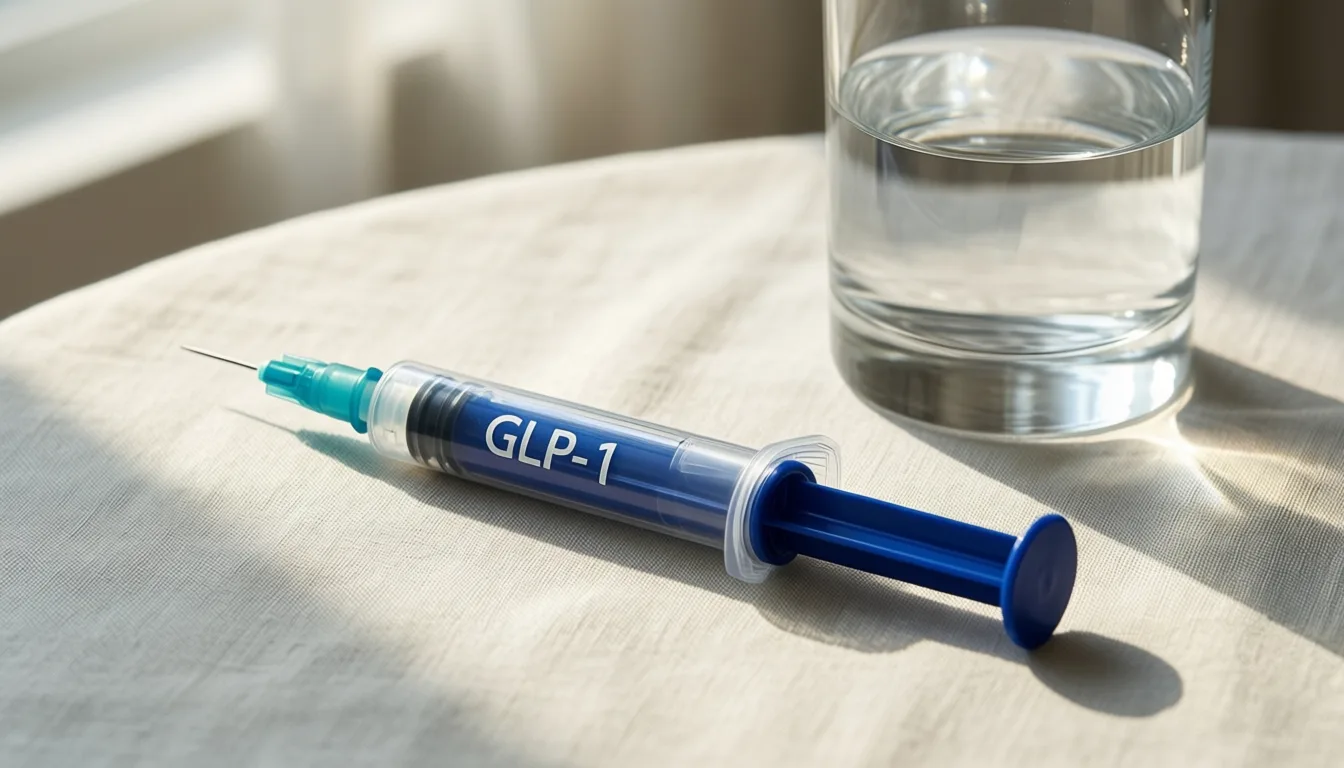
Tirzepatide vs. Semaglutide: What the Head-to-Head Data Actually Shows
A new meta-analysis pooling seven direct comparisons gives us the cleanest apples-to-apples read yet on how the two big incretin drugs stack up for weight loss.
Press Enter to search · Esc to close
A new meta-analysis pooling seven direct comparisons gives us the cleanest apples-to-apples read yet on how the two big incretin drugs stack up for weight loss.
A 109,000-patient meta-analysis sharpens the case that GLP-1 receptor agonists are cardiometabolic drugs, not just weight-loss tools — with concrete numbers on who actually benefits.
A new federal survey puts a real number on how many Americans with diabetes are now on GLP-1 shots — and it's reshaping what we should expect from the next wave of metabolic drugs.
GLP-1 receptor agonists keep pushing into new clinical territory. Two 2025 papers — a modeling review for type 1 diabetes and a case report where semaglutide lit up brown fat on a PET scan — hint at what's next.
Semaglutide and liraglutide are being studied well past their metabolic origins. Early signals point to alcohol use disorder and diabetic blood-vessel protection — but the evidence is still uneven.
Semaglutide-class drugs are rewriting cardiometabolic medicine — and quietly accumulating a safety file that gym-goers should actually read.
Fresh cohort analyses say the perioperative picture is procedure-specific — reassuring at the hip, worrying at the shoulder — and shortages keep complicating the calculus.
GLP-1s aren't just a shred-cycle headline anymore. The next wave — liver-targeting combos, cardiovascular synergy with training, and oral delivery — is rewriting what these peptides can do.
As the GLP-1 class expands beyond weekly injections, three new studies sketch a more complicated risk-benefit map than the headline weight-loss numbers suggest.
Semaglutide and tirzepatide are reshaping bodies faster than the guidelines can keep up. The muscle you keep — or lose — may decide whether the results actually last.